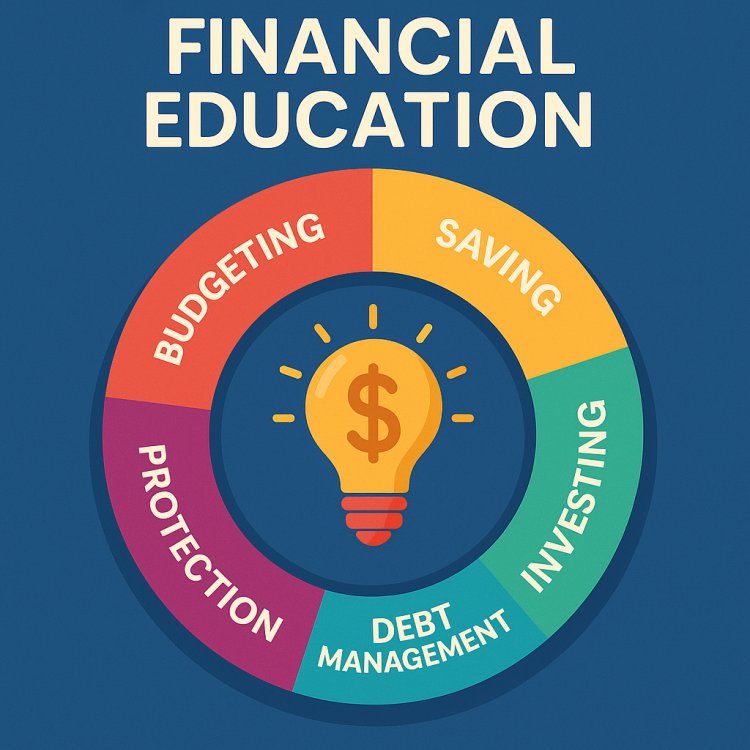
The growing complexity of the modern economy has made financial literacy an essential life skill, not just a luxury. For Kenya, with its young population and rapidly evolving digital financial landscape, instilling these skills early is a matter of economic resilience and empowerment. The push to integrate financial education into both schools and households is gaining momentum, representing a critical investment in the nation’s future.
In schools, the case for structured financial literacy is clear. Integrating practical concepts like budgeting, saving, and responsible borrowing into the national curriculum can equip students with the tools to navigate adulthood. Simple lessons on differentiating between needs and wants, understanding interest on loans, or the basics of entrepreneurship can lay a strong foundation. This moves beyond theory; some programs incorporate student-run savings clubs or simulate real-world financial decisions, making the learning experiential. The goal is to create a generation that approaches money management with confidence and caution, potentially reducing future vulnerabilities to debt cycles and financial scams.
However, the classroom alone is not sufficient. Financial habits are often formed at home, long before formal education begins. Households serve as the first and most influential model for money management. When parents involve children in age-appropriate discussions about household budgeting, planning for expenses, or even small-scale saving for a family goal, they demystify finance. This practical, everyday learning normalizes concepts like delayed gratification and planning. Yet, this can be challenging in many homes where financial stress is high, and money is a private, sometimes stressful, topic. Breaking this taboo is a crucial step.
The synergy between schools and homes is where the most significant impact lies. Schools can provide the formal framework and knowledge, while homes offer the practical laboratory for application. When a child learns about interest in class and then hears their parents discussing the cost of a digital loan at home, the lesson becomes real. Community-based initiatives, often led by local financial institutions or SACCOs, can bridge these spaces by offering workshops for both parents and children, fostering a shared language around money.


The path forward requires deliberate effort. Teacher training is paramount, ensuring educators are well-equipped to deliver engaging financial lessons. Parents need access to resources and encouragement to start these conversations early. Ultimately, teaching financial literacy is not merely about creating savvy consumers, but about fostering a culture of informed decision-making. By embedding these skills in the fabric of education and family life, Kenya can empower its citizens to build secure futures, driving broader economic stability and growth from the ground up. Begin your investment journey today with the Cytonn Money Market Fund. Call +254 (0)709 101 200 or email sales@cytonn.com.