Sharp Daily
No Result
View All Result
Sunday, January 18, 2026
  • Home
  • News
    • Politics
  • Business
    • Banking
  • Investments
  • Technology
  • Startups
  • Real Estate
  • Features
  • Appointments
  • About Us
    • Meet The Team
Sharp Daily
  • Home
  • News
    • Politics
  • Business
    • Banking
  • Investments
  • Technology
  • Startups
  • Real Estate
  • Features
  • Appointments
  • About Us
    • Meet The Team
No Result
View All Result
Sharp Daily
No Result
View All Result
Home Money

Why we spend the way we do

Marcielyne Wanja by Marcielyne Wanja
November 18, 2025
in Money
Reading Time: 2 mins read

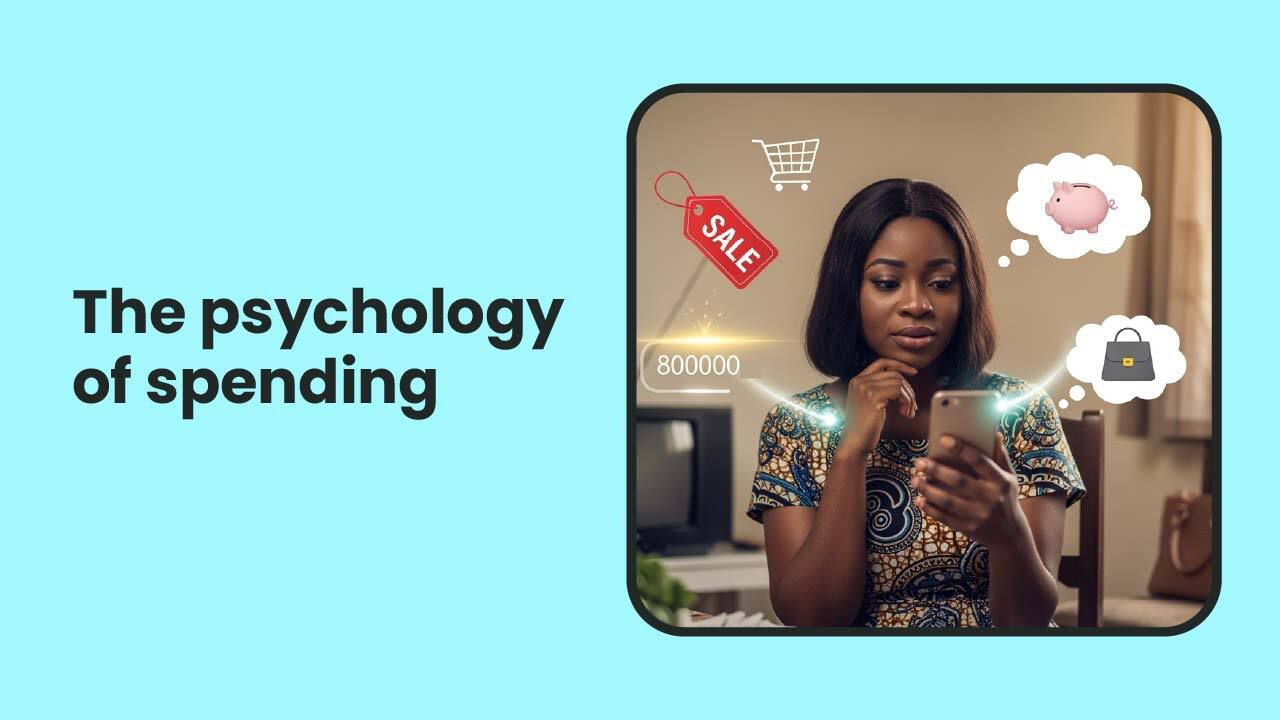
Money decisions are rarely just mathematical. For many people, spending is deeply connected to emotions, habits, and personal experiences. Understanding the psychology behind spending can help individuals make more deliberate financial choices and create habits that support long-term goals.

Human behavior is influenced by instant gratification, which makes it easy to prioritize short-term pleasure over long-term financial stability. Retail therapy, impulse buying, and lifestyle upgrades often stem from emotional triggers such as stress, boredom, or social pressure. These triggers make spending feel rewarding in the moment but can lead to financial strain when not managed.

Social comparisons also play a major role in spending choices. People often measure their success against peers, which leads to buying items that match a perceived lifestyle even when it is not aligned with their financial reality. This phenomenon, sometimes called “social spending,” is one of the biggest causes of debt and inconsistent saving.

Habits form another part of the equation. Small daily or weekly purchases may seem insignificant, but over time, they add up. Becoming aware of these automatic habits gives individuals control over where their money goes. Tracking expenses and setting spending limits can help break harmful patterns and develop healthier financial behaviors.

RELATEDPOSTS

Unit Trusts: Investment Vehicles or Just Sophisticated Savings?

January 16, 2026

Kenya Must Shift From Reactive Drought Aid to Proactive Prevention to End the Cycle of Crisis

January 16, 2026

Understanding why people spend also helps them save better. When spending becomes intentional rather than impulsive, it frees up more money for goals like investing, emergencies, or long-term projects. Recognizing emotional triggers allows individuals to pause, reflect, and choose wisely.

Money is not just a tool, it is tied to identity, emotions, and aspirations. By understanding the psychology behind spending, people can create healthier financial behaviors, reduce stress, and build a more secure financial future.

CTA:

Turn your financial goals into reality by starting a disciplined saving routine today. Save and grow your money with the Cytonn Money Market Fund for stable, accessible returns.
📞 Call +254 (0) 709 101 200 or 📧 email sales@cytonn.com to begin.

Previous Post

ODM succession crisis: family tensions threaten party unity

Next Post

Coordinated cyberattack disrupts multiple Kenyan government websites

Marcielyne Wanja

Marcielyne Wanja

Related Posts

Analysis

Thirty-five SACCOs face sanctions as anti-money laundering rules tighten

January 15, 2026
Analysis

Self-Insurance by Another Name: The Rise of Investment Based Risk Management

January 9, 2026
Analysis

Kenya Faces Sh45 billion blow as Trump withdraws US from 66 global organizations – Impact on Nairobi’s UN hub

January 9, 2026
Analysis

CBK raises sh60.5bn from January long-term bond auctions

January 9, 2026
Business

Kenya’s private sector closes 2025 strong as PMI signals growth momentum

January 7, 2026
Analysis

KPC NSE listing set to open state-owned energy giant to public investors

January 6, 2026

LATEST STORIES

Unit Trusts: Investment Vehicles or Just Sophisticated Savings?

January 16, 2026

Kenya Must Shift From Reactive Drought Aid to Proactive Prevention to End the Cycle of Crisis

January 16, 2026

Building Up, Not Out: The Economic Trade-Offs of High-Rise Housing

January 16, 2026

The Economics of East African Integration: Progress, Frictions, and the Road Ahead

January 16, 2026

Influencers, Social Media, and the New Economics of Business Growth

January 16, 2026

Investment Laws and Their Impact on Foreign Direct Investment in Kenya

January 16, 2026

Mobile Money Meets the Stock Market

January 16, 2026

Kenya’s Current Account Deficit: Risks, Realities, and Economic Opportunities

January 16, 2026
  • About Us
  • Meet The Team
  • Careers
  • Privacy Policy
  • Terms and Conditions
Email us: editor@thesharpdaily.com

Sharp Daily © 2024

No Result
View All Result
  • Home
  • News
    • Politics
  • Business
    • Banking
  • Investments
  • Technology
  • Startups
  • Real Estate
  • Features
  • Appointments
  • About Us
    • Meet The Team

Sharp Daily © 2024