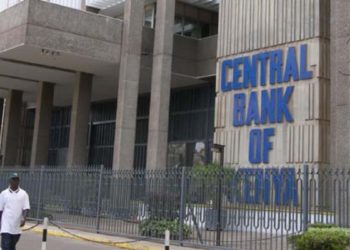
Following a court ruling where lenders were instructed against altering interest rates on loans without formal approval from the Treasury Cabinet Secretary, the country’s financial sector faces a moment of reckoning. While the ruling exposes lenders to substantial financial and reputational risks, it also signals a critical turning point, one that calls for a shift from reactive legal defence to proactive regulatory alignment.
At the core of the controversy is the imposition of unauthorized charges, including interest and penalties levied after a loan account has been closed. In some cases, borrowers have seen their outstanding amounts balloon without clear explanation or contractual basis. The ruling, which declared such charges illegal, could set a precedent for mass refund claims from affected borrowers, particularly in the digital and mobile lending space. However, rather than viewing the development solely as a threat, financial institutions have an opportunity to recalibrate their practices and reinforce trust in the banking system.
Kenyan banks can put in place strategies so that they can be able to align with fair lending practices and ensure compliance. First, conducting comprehensive internal audits. Banks should prioritize a full review of their loan portfolios to identify charges, penalties or interest components that may be non-compliant. This includes auditing historical loan records and fee structures, especially for mobile-linked credit and digital loan products, which often attract compound penalties or opaque charges. Second, revise loan agreements and fee disclosures. Banks must ensure that all fees, whether administrative or penalty charges, are explicitly stated, justified, and consented to by borrowers.
Engaging regulators proactively. Banks should proactively consult with regulators such as the Central Bank of Kenya to clarify permissible fee structures and interest calculation models. Collaborating on regulatory updates or codes of conduct can create a level playing field and guide industry-wide compliance. Kenyan banks could develop customer redress mechanisms. Banks should establish transparent and efficient compliant resolution systems where affected borrowers should have access to easy refund processes where overcharges are identified.


Financial institutions should also facilitate training for their staff in fair lending standards. Bank employees, especially in credit and collections departments, must be regularly trained in evolving legal standards, ethical lending, and regulatory expectations. Equipping frontline staff with this knowledge reduces the risk of future infractions and reinforces a culture of compliance. Technological solutions are also playing a growing role. A few banks are investing in compliance automation tools that flag overcharge in real time, based on prevailing interest caps and contractual terms. This allows for immediate redress before regulatory complaints or litigation arise.
This ruling presents an opportunity for institutions to modernize their lending practices, enhance transparency, and place customers at the center of their operations. Proactive compliance is a competitive advantage in a financial landscape where trust increasingly defines long term success.