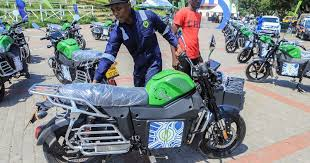
As the world embraces climate-friendly solutions, Kenya finds itself in a critical position where they are caught between the promise of electric motorcycles and the paralysis of unclear regulation. Over the recent years, motorcycles have become an integral part the Kenyan economy and the daily functions of businesses both small-scale and large-scale. From making deliveries around the city and beyond to ferrying passengers to their various destinations, the boda boda industry has become almost irreplaceable. However, as fuel prices constantly increase and the shift to environment conservation by various economies around the world, the discussion revolving around electric motorcycles arises.
Despite its growing interest and significant investments from both local and international partners, Kenya’s transition to electric motorcycles is slowly declining. This can be attributed to factors such as rigid regulatory framework. Various ministries such as the Ministry of Transport and the Ministry of Energy have signaled their support for electric transportation, yet policies guiding their adoption remain vague. Despite potential benefits such as reduced emissions, reduced reliance on fossil fuels and lower operating costs, the transition is faced by a myriad of bureaucratic obstacles and unclear guidelines.
Electric motorcycle companies which deal with the assembly of these units highlight their struggle with the rigid importation and assembly regulations. For instance, the East African Community Duty Remission Scheme, which allows for manufacturers within the region to import raw materials for their business activities with a remission of import duty, is inaccessible to many e-mobility firms due to requirements outlined in the legal notice no.112, Tax Procedures Unassembled Motorcycles Regulations 2020, which mandates that assemblers must have a bonded warehouse and that the assembly line should be located within the same facility, which proves to be both costly and insensible to the small and large-sized enterprises.
Second, while the Energy and Petroleum Regulatory Authority published guidelines for electric vehicle charging and battery swapping infrastructure, their implementation remains unclear. The draft National E-mobility Policy, which was launched in March 2024, aims to provide an inclusive framework for the sector. However, it lacks clarity and fails to align with other national policies related to energy, transport and environmental sustainability. This negatively impacts the effective rollout of necessary infrastructure and services to support electric mobility.
The sector has also been greatly affected by volatile tax policies. For instance, the Finance Act of 2023 initially introduced incentives such as reduced excise duty and VAT exemptions for electric vehicles and related infrastructure. However, its subsequent repeal by the court of appeal created a gap which left stakeholders uncertain. Such measures threaten the cost of electric motorcycles, making them less accessible to potential consumers.
For Kenya, to realize its vision of an inclusive transition to electric motorcycles, it is important to highlight the existing regulatory and policy hurdles. This entails revision of the importation and assembly regulations, ensuring a coordinated implementation of infrastructure development across national and county governments and establishing a stable tax regime. Without these measures, Kenya stands at a high risk of missing out on the environmental, economic and social benefits that the sector promises.