Sharp Daily
No Result
View All Result
Tuesday, February 10, 2026
  • Home
  • News
    • Politics
  • Business
    • Banking
  • Investments
  • Technology
  • Startups
  • Real Estate
  • Features
  • Appointments
  • About Us
    • Meet The Team
Sharp Daily
  • Home
  • News
    • Politics
  • Business
    • Banking
  • Investments
  • Technology
  • Startups
  • Real Estate
  • Features
  • Appointments
  • About Us
    • Meet The Team
No Result
View All Result
Sharp Daily
No Result
View All Result
Home Opinion

Kenya’s agribusiness potential: From farm to fortune

Ivy Mutali by Ivy Mutali
May 7, 2025
in Opinion
Reading Time: 2 mins read

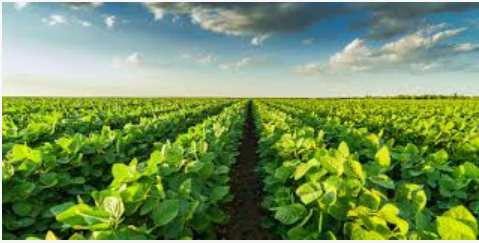
Agriculture remains the backbone of Kenya’s economy, contributing about 21.0% to GDP directly and another 27.0% indirectly through linkages with other sectors, according to the Kenya National Bureau of Statistics (KNBS). Despite this importance, the sector is undercapitalized, under-mechanized and often overlooked by young investors. Yet, agribusiness presents some of the most promising opportunities for wealth creation and economic transformation.

Kenya’s export earnings from agriculture, particularly horticulture, tea and coffee, continue to perform well. In 2023, horticultural exports brought in KES 153.7 billion, up from KES 147.0 billion the previous year. Global demand for avocados, macadamia nuts and herbs is rising and Kenya’s climate gives it a competitive edge. However, smallholder farmers who produce over 70.0% of the country’s food, lack access to markets, quality inputs and affordable financing.

The rise of agritech startups such as Twiga Foods, Apollo Agriculture and iProcure is beginning to change this narrative. These platforms use mobile technology, data analytics, and logistics networks to improve farmers’ access to inputs, finance and markets. Investors can now participate in agriculture indirectly by supporting these ventures or investing in value chains like food processing, storage and distribution.

Contract farming and land-leasing models are also opening the door for urban investors to venture into agriculture without owning large tracts of land. In counties like Kirinyaga and Nakuru, greenhouses and drip irrigation systems have made it possible to generate high returns from small plots. Moreover, Kenya’s growing urban middle class is driving up demand for clean, traceable and processed food, boosting investment potential in agro-processing.

RELATEDPOSTS

How the cytonn money market fund can help farmers grow their income safely

January 19, 2026

Government support remains critical. The Agricultural Sector Transformation and Growth Strategy (ASTGS) 2019-2029 aims to modernize farming through public-private partnerships, subsidies and infrastructure investments. Investors stand to benefit from incentives such as tax exemptions on agro-equipment and grants under youth empowerment funds.

In a country where 75.0% of the workforce relies on agriculture either directly or indirectly, investing in agribusiness is not just profitable, it’s nation-building. With the right tools, policies and innovation, Kenya can transform agriculture from a subsistence struggle into a sustainable, scalable, and lucrative venture


Previous Post

Tight fiscal policy is bad for business

Next Post

AI’s ethical implication in customer interaction and marketing

Ivy Mutali

Ivy Mutali

Related Posts

News

Ishowspeed Concludes His 28-Day Africa Tour: What It Means For Africa

February 6, 2026
Opinion

What the High Court backing for KRA use of bank deposits to assess income means for businesses in Kenya

February 5, 2026
Healthcare

How international accreditation can strengthen healthcare training in Kenya

February 4, 2026
Business

What Mbadi’s proposal to exempt Kenyans earning below Sh30,000 from income tax could mean

February 3, 2026
Analysis

Matatu strike paralyzes public transport

February 2, 2026
Economy

How biometric audits could end the ghost worker problem

January 28, 2026

LATEST STORIES

Spotify will let users buy physical books in app and use page match to bridge print and audiobook experiences

February 9, 2026

Living Paycheck to Paycheck; Even With a “Good Job”

February 9, 2026

NSSF Takes Sh9.5 Billion Stake in Nairobi–Nakuru Toll Road Project

February 9, 2026

The role of communication in managing expectations

February 9, 2026

Social Media as a tool in financial marketing

February 9, 2026

KRA reinstates Nil returns amid compliance drive and system enhancements

February 9, 2026

The fragility of clean cooking solutions

February 9, 2026

Road infrastructure and Kenya’s economic trajectory

February 9, 2026
  • About Us
  • Meet The Team
  • Careers
  • Privacy Policy
  • Terms and Conditions
Email us: editor@thesharpdaily.com

Sharp Daily © 2024

No Result
View All Result
  • Home
  • News
    • Politics
  • Business
    • Banking
  • Investments
  • Technology
  • Startups
  • Real Estate
  • Features
  • Appointments
  • About Us
    • Meet The Team

Sharp Daily © 2024