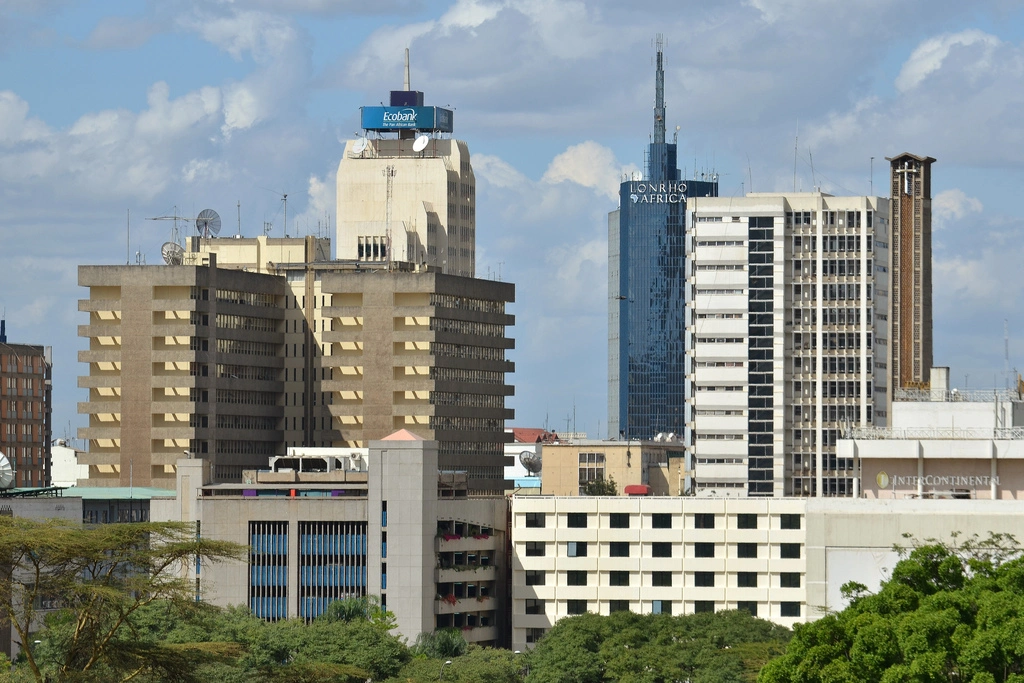
Gentrification, the transformation of a city neighborhood from low to high value, often leading to the displacement of its previous occupants, has become a prominent issue in Nairobi. This process often causes property values to increase and infrastructure to improve but also leads to the displacement of long-standing, lower-income residents. The debate over whether gentrification serves as a boon or bane for local communities in Nairobi varies.
Proponents claim that gentrification strengthens neglected neighborhoods by attracting investment, enhancing public services and reducing crime rates. Areas like Kilimani and Kileleshwa have experienced remarkable redevelopment, leading to modern apartment complexes and better amenities. These developments can boost the local economy by creating jobs and increasing the tax base which in turn, funds public services. The introduction of new businesses can provide residents with better access to goods and services.
On the contrary, gentrification causes the displacement of long-term residents who can no longer afford the rising costs of living. In Nairobi, informal settlements such as Kibera and Mathare have faced pressures from development projects aiming to upgrade these areas. Although the goal is to enhance living conditions, in practice, many residents are compelled to move without sufficient compensation or alternative housing options. Such displacement disrupts existing social networks and can result in greater economic difficulties for the impacted families.
Apart from economic factors, gentrification can lead to cultural displacement, weakening the social fabric of communities. As more affluent individuals move in, the distinctive cultural identities of neighborhoods may be diminished or erased. Traditional markets and community centres could be replaced by high-end boutiques and restaurants aimed at the new demographic, resulting in a loss of cultural heritage and community bonds.
To tackle the issues brought about by gentrification, it’s important to implement policies that balance development with the needs of existing residents. Inclusive urban planning can make sure infrastructure upgrades benefit all socioeconomic groups. For instance, land readjustment strategies, highlighted by UN-Habitat, involve combining land parcels for cohesive development, guaranteeing that original landowners maintain a share in the redeveloped area. These methods can help reduce displacement and foster equitable growth.
Gentrification in Nairobi offers both prospects and difficulties. While it can drive economic growth and enhance infrastructure, it also poses a threat to vulnerable populations and cultural identities. A balanced approach, incorporating inclusive planning and protections for existing communities, is essential to ensure that gentrification becomes a benefit rather than a detriment to Nairobi’s local communities.