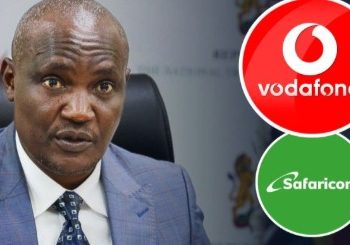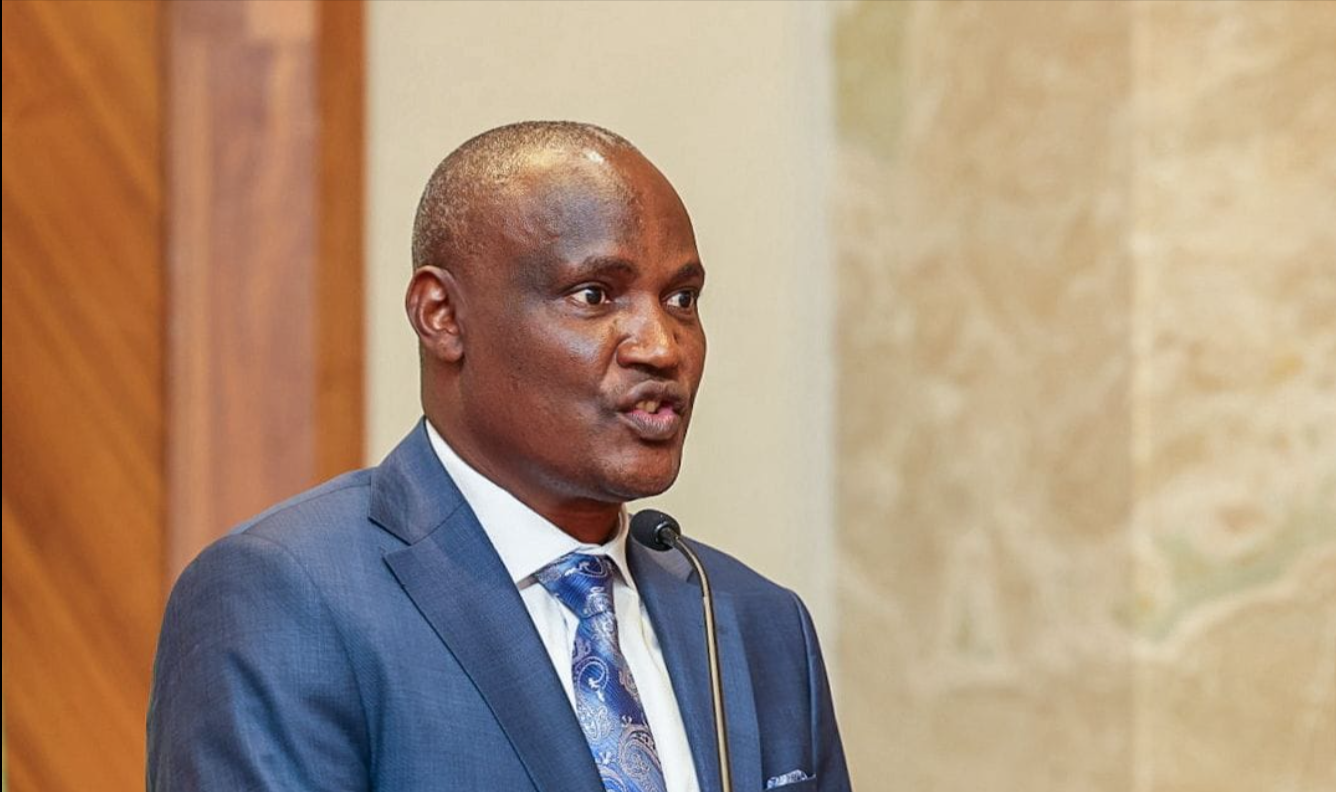
Treasury Cabinet Secretary John Mbadi defended the controversial JKIA-Adani deal in a Senate grilling, citing the need for private investment to overcome Kenya’s financial constraints.
In a tense session before the Senate Committee on Tuesday, Mbadi vigorously defended the government’s decision to award a multi-billion-shilling deal to India’s Adani Group for the development of Jomo Kenyatta International Airport (JKIA). He cited Kenya’s constrained finances and the need for private sector expertise to drive the country’s infrastructure ambitions, dismissing claims of irregularities in the procurement process.
The deal, which has attracted widespread scrutiny, involves Adani Airport Holdings Limited taking over the expansion and operation of JKIA under a public-private partnership (PPP). The project, estimated at over KES 100 billion, has raised concerns among lawmakers and civil society groups about transparency, ownership, and the potential impact on public finances.
Responding to sharp questioning from the committee, Mbadi argued that the government is unable to finance large infrastructure projects like JKIA’s expansion solely through public funds. “As a nation, we are faced with financial constraints, and the exchequer cannot fund all of our infrastructure needs,” he said. “This is why we are turning to public-private partnerships to bring in private capital without overburdening the taxpayer.”
Mbadi outlined that the Adani proposal was initiated through a Privately Initiated Proposal (PIP), one of the four procurement methods outlined in Kenya’s Public-Private Partnership Act of 2021. He said the deal followed legal procedures, with all the necessary due diligence carried out before moving forward. “We applied the lawfully recognized method under the PPP Act, and due diligence was conducted at each stage to ensure compliance with both local and international standards,” Mbadi explained.

The Senate committee, however, expressed skepticism about the transparency of the process, questioning the integrity of the documents submitted. Committee members pointed out discrepancies in the documentation, including unsigned papers and missing minutes from critical meetings of the PPP Committee.
One senator raised concerns about the ownership of the proposal documents, suggesting that the lack of signatures cast doubt on their authenticity. “Ownership of documents is very important,” the senator said. “We want to be sure that what we are dealing with comes from the government and is not some externally generated proposal.”
Mbadi acknowledged that some documents had not been signed but insisted that all the necessary approvals had been obtained through formal processes. “If it is the signature you are concerned about, I am ready to sign them right here,” he said. “But that does not change the fact that this deal has been processed through the right channels.”
The committee also questioned the suitability of Adani for the project, pointing to gaps in the due diligence process. Lawmakers argued that there was insufficient verification of Adani’s financial standing and legal compliance, including concerns about its tax records and corruption allegations in other jurisdictions.
In response, Mbadi maintained that the evaluation of Adani’s proposal met the necessary legal thresholds. “We conducted all the due diligence as required under the PPP Act, including confirming that Adani was not debarred from participating in international projects,” he said. “The World Bank database was checked, and no adverse findings were made.”
Despite this, the committee highlighted that much of the verification relied on self-declarations by Adani, raising concerns about the thoroughness of the vetting process. “Self-declarations alone are not enough,” one senator remarked. “We need independent verification to ensure we are not entering into a deal with a company facing legal challenges elsewhere.”
The Treasury Secretary was also pressed on the potential impact of the deal on employment at JKIA. Lawmakers expressed concern that Adani might not absorb all of the current employees of the Kenya Airports Authority (KAA) once the privatization deal goes through. Mbadi assured the committee that the government had made it a priority to safeguard jobs. “The recommendation from the PPP Committee is clear: Adani must onboard all JKIA employees and on better terms,” he said, without disclosing the exact percentage of employees Adani had agreed to retain.
Senators also expressed fears that the deal might lead to higher tariffs for airport users, as Adani could increase fees to recoup its investment. Mbadi acknowledged that tariff reviews could be part of the concession agreement but emphasized that any changes would be subject to Kenya’s laws and international aviation standards. “Tariff adjustments, if necessary, will be done in accordance with the law, and there will be no unreasonable increases that would burden travelers,” he stated.
In closing, Mbadi reiterated the government’s commitment to ensuring that the deal benefits Kenya by unlocking significant investments while protecting public interests. “We are looking for a partner who can bring in capital, expertise, and global best practices to transform JKIA into a world-class hub,” he said.
The Senate committee’s investigation is expected to continue, with additional requests for documentation and minutes from PPP Committee meetings to be provided by the Treasury. Meanwhile, public interest in the deal remains high, as Kenyans await further clarity on how the partnership with Adani will impact the country’s key infrastructure asset.