The development of off-grid energy over the next decade is poised for significant growth, driven by technological advancements, increasing demand for sustainable energy solutions, and supportive policy frameworks.
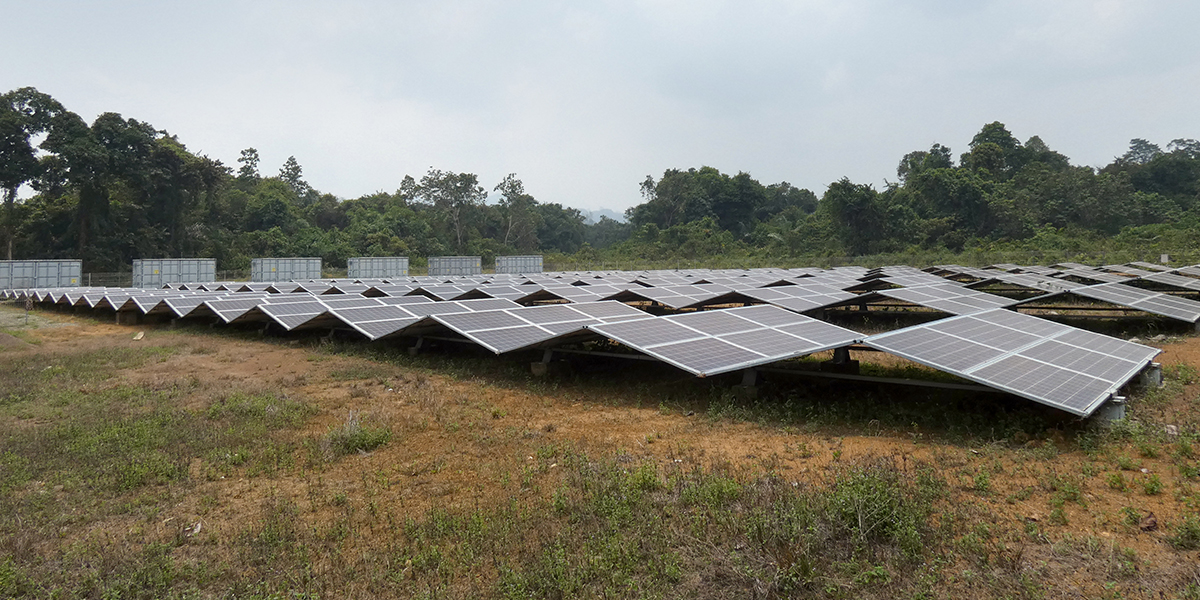
Off-grid energy, which includes solar home systems, mini-grids, and other decentralized energy solutions, is expected to play a crucial role in providing electricity to the approximately 759 mn people worldwide who currently lack access to reliable power. This growth will be particularly pronounced in regions such as Sub-Saharan Africa and South Asia, where grid infrastructure is often inadequate or non-existent.
One of the primary drivers of this growth will be the decreasing cost of renewable energy technologies. Solar panels, batteries, and other components have seen substantial price reductions over the past decade, making off-grid solutions more affordable for both consumers and providers.
Innovations in energy storage and smart grid technologies will further enhance the reliability and efficiency of off-grid systems, enabling them to provide consistent power even in remote areas. Additionally, the integration of digital technologies, such as mobile payments and remote monitoring, will streamline operations and reduce maintenance costs, making off-grid energy solutions more viable and scalable.
Further, the business models for off-grid energy are also expected to evolve significantly. Traditional models, which often relied on donor funding and government subsidies, are giving way to more sustainable and market-driven approaches. Pay-as-you-go (PAYG) models, where consumers pay for energy services in small, manageable installments, have already gained traction and are likely to become even more prevalent. These models not only make energy more accessible to low-income households but also provide a steady revenue stream for providers, enhancing their financial sustainability.
Another emerging trend is the development of community-based mini-grids, which can serve multiple households and businesses within a localized area. These mini-grids can be powered by a combination of renewable energy sources, such as solar, wind, and biomass, providing a more resilient and diversified energy supply. Public-private partnerships will be crucial in scaling these solutions, with governments providing regulatory support and private companies bringing in the necessary capital and technical expertise.
Additionally, the off-grid energy sector is likely to see increased investment from both impact investors and traditional financial institutions. As the sector matures and demonstrates its profitability, more investors will be willing to finance off-grid projects, further accelerating their deployment. Innovative financing mechanisms, such as green bonds and blended finance, will also play a role in mobilizing the necessary capital to meet the growing demand for off-grid energy solutions.
Hence, the off-grid energy sector is set for robust growth over the next decade, driven by technological advancements, evolving business models, and increased investment. This growth will not only help bridge the energy access gap but also contribute to broader development goals, such as poverty reduction, improved health outcomes, and climate resilience. As the sector continues to innovate and scale, it will play a pivotal role in shaping a more sustainable and equitable energy future.