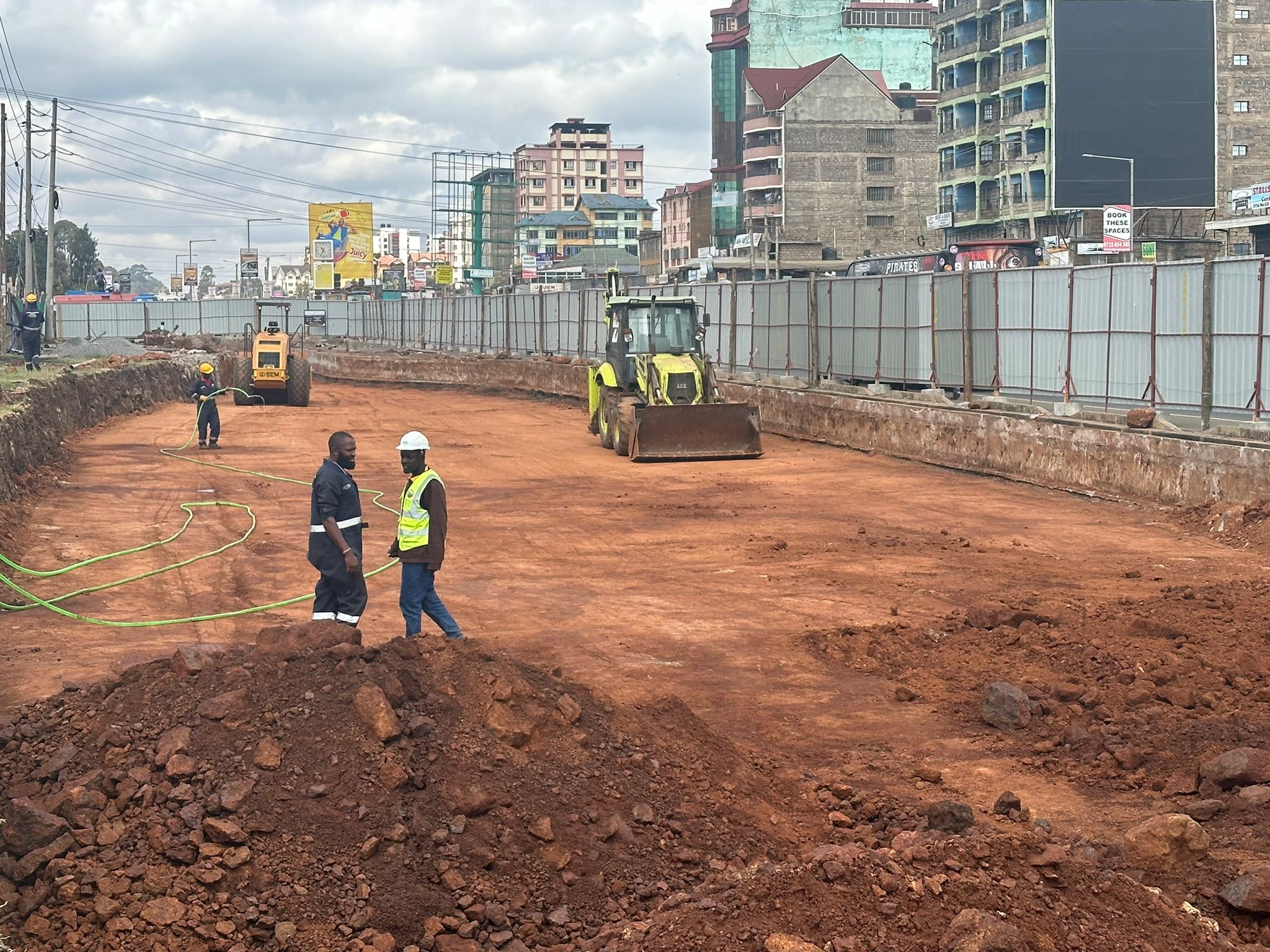
Nairobi’s road infrastructure development has been the subject of much debate in recent years. Among the contentious projects is the dualling of Ngong Road, which was initially hailed as a significant step toward solving the city’s chronic traffic congestion.
The project, funded by a government loan, was seen as a beacon of hope for smoother travel along one of Nairobi’s busiest routes. The Kenya Urban Roads Authority (KURA), led at the time by acting Director General Silas Kinoti, even published articles justifying the need for the project.
Fast forward, and KURA is back with another major proposal—this time calling for a KES 3.5 billion flyover at the Ngong Road Junction as the ultimate solution to traffic congestion. While addressing infrastructure challenges is essential, this sudden shift from one grand solution to another raises concerns about incompetence and poor planning, or worse, deliberate misallocation of funds.
It begs the question: was the initial dualling of Ngong Road poorly conceived, or is this just another layer of wasteful spending in the name of infrastructure development? Many Kenyans have grown tired of what seems like a pattern of borrowing for flashy projects that, upon closer scrutiny, don’t always deliver the promised results.
Incompetence or Mismanagement?
Kenya’s parastatals have a long history of misallocating funds to projects that either don’t meet the intended goals or are ultimately abandoned. The Ngong Road flyover proposal is a glaring example of how government institutions frequently pivot between projects without providing a clear rationale or addressing underlying issues.
Is KURA’s latest proposal truly aimed at solving traffic congestion, or is it an excuse to take out yet another loan that will burden taxpayers while benefitting only a select few? Kenya’s rising debt levels are already a major concern, and many citizens feel that the country cannot afford to keep pouring billions into projects that seem more like opportunities for corruption than meaningful development.
A Call for Smarter Investments
Given Kenya’s current economic situation, it’s hard to justify the Ksh 3.5 bn price tag for a flyover when there are more pressing infrastructure needs. Roads like Jogoo Road, Kiambu Road, Magadi Road, and the extension of the dual road from Karen to Ngong Town would likely offer a greater return on investment in terms of improving traffic flow and enhancing the city’s transport network.
These are areas where congestion regularly grinds traffic to a halt, affecting businesses and residents alike. Investing in such key corridors could provide more immediate and widespread benefits than a costly flyover on a road that was supposed to have already been improved.
The Looming Specter of Corruption
Unfortunately, infrastructure projects in Kenya are often marred by allegations of corruption, and many fear that this latest proposal is just another opportunity for unscrupulous officials to siphon off public funds. In a country where mismanagement of resources is already rife, the suggestion of taking on another loan raises serious concerns.
It’s not just a matter of spending money, it’s about how that money is spent and whether citizens are getting value for their investment. If the government is going to borrow billions of shillings, it should be for projects that are well-planned, necessary, and likely to make a tangible difference to the lives of ordinary Kenyans.
Conclusion
The ignorance within Kenya’s parastatals concerning the misallocation of funds to questionable projects is evident. Infrastructure development is crucial, but without proper planning and transparent execution, it risks becoming another avenue for corruption. Instead of focusing on another expensive project with dubious benefits, KURA and other government bodies should prioritize projects that offer true value for the country, address existing infrastructure gaps, and ensure that borrowed funds are used effectively and responsibly.
Kenya cannot afford more missteps in infrastructure planning; not when the country is already burdened by debt and economic instability. If parastatals continue down this path of ill-advised spending, it’s the ordinary citizens who will bear the brunt of these financial burdens for years to come