
Sharp Daily
No Result
View All Result
Saturday, June 20, 2026
  • Home
  • News
    • Politics
  • Business
    • Banking
  • Investments
  • Technology
  • Startups
  • Real Estate
  • Features
  • Appointments
  • About Us
    • Meet The Team
Sharp Daily
  • Home
  • News
    • Politics
  • Business
    • Banking
  • Investments
  • Technology
  • Startups
  • Real Estate
  • Features
  • Appointments
  • About Us
    • Meet The Team
No Result
View All Result
Sharp Daily
No Result
View All Result
Home Analysis

Why Kenya’s projects fail: A look at planning, finances, and politics

Solomon Kimani by Solomon Kimani
July 10, 2024
in Analysis
Reading Time: 2 mins read

RELATEDPOSTS

DStv subscriber base in Kenya falls to 248,053 in first quarter of 2026

June 18, 2026

Kenya proposes new shisha rules with fines rising to Sh1 million

June 16, 2026

Project failures in Kenya are often attributed to a combination of factors that can be broadly categorized into planning, financial, managerial, and external influences. Understanding these causes is crucial for mitigating risks and improving project success rates. Here are some of the main reasons why projects fail in Kenya:

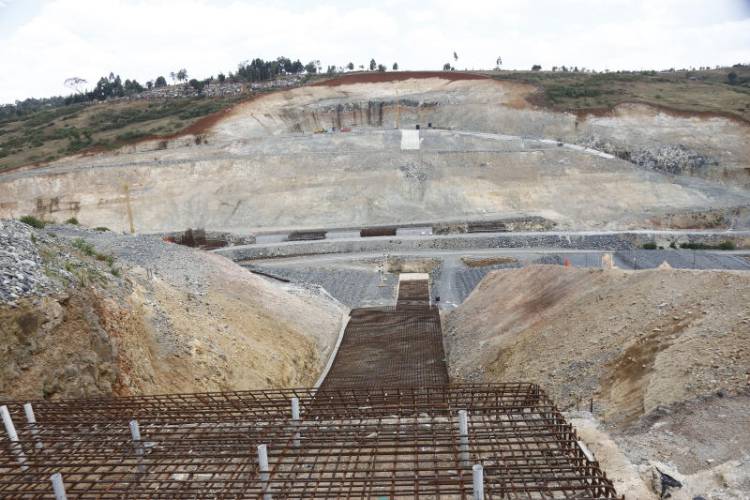
  1. Poor planning and feasibility studies:Many projects in Kenya fail due to inadequate planning and lack of comprehensive feasibility studies. For instance, the stalled Itare Dam project in Nakuru County was plagued by poor planning and environmental concerns, leading to its abandonment.
  2. Insufficient funding and financial mismanagement:Financial constraints and mismanagement of funds are significant contributors to project failures. The Arror and Kimwarer dam projects, for example, faced financial hurdles and allegations of corruption, which resulted in their suspension.
  3. Inadequate stakeholder engagement:Projects often fail when stakeholders, including local communities and government entities, are not adequately involved or consulted. The Lamu Coal Power Plant project faced strong opposition from environmentalists and local residents, leading to its halt.
  4. Political interference and bureaucracy:Political dynamics and governmental red tape can derail projects. The Konza Techno City, envisioned as Africa’s Silicon Savannah, has experienced delays partly due to political interference and slow governmental processes.
  5. Poor procurement oftechnical expertise and skilled workforce: The shortage of technical expertise and a skilled workforce can hinder project implementation. For example, the construction of some county hospitals has been delayed due to the lack of skilled medical infrastructure developers.
  6. Environmental andsocialfactors: Environmental regulations and social impacts can also cause project delays or cancellations. The Nairobi Expressway project faced challenges related to environmental concerns and the displacement of communities.

Addressing the root causes of project failures in Kenya requires comprehensive planning, transparent financial management, effective stakeholder engagement, minimizing political interference, and ensuring the availability of technical expertise. By learning from past mistakes and adopting best practices, Kenya can improve the success rate of her development projects and achieve sustainable growth.

Previous Post

Government halves cabinet advisors in austerity drive

Next Post

EAC’s new tariff regime sparks concerns over Kenyan import costs

Solomon Kimani

Solomon Kimani

Related Posts

Analysis

Kenya’s Investment Landscape at a Critical Turning Point: The Strait of Hormuz Breakthrough

June 18, 2026
Family Bank
Analysis

Family bank receives approval for NSE listing

June 12, 2026
Analysis

CMA tightens governance oversight in kakuzi case

June 10, 2026
Analysis

Investor appetite for treasury bills surges as demand jumps 228% ahead of CBK rate decision

June 10, 2026
Analysis

Court upholds wells fargo staff dismissals, reduces compensation award

June 9, 2026
Analysis

Kenya’s MPC faces its toughest call yet as inflation and growth pull in opposite directions

June 5, 2026

LATEST STORIES

TRIFIC Concludes Kenya’s First Green Dollar I-REIT Offer, Marking New Milestone for Capital Markets

June 19, 2026

How Treasury Bonds Finance Public Spending

June 19, 2026

Parliament Reject Proposed 25% Excise Duty on Mobile Phones in Finance Bill 2026

June 19, 2026

How to spot a pension scam

June 19, 2026

Central bank digital currencies and sovereign money systems

June 19, 2026

AI-driven autonomous financial systems in modern finance

June 19, 2026

Digital Identity and Trust Infrastructure in Modern Financial Systems

June 19, 2026

Kenya’s real estate pivot: why private developers are abandoning residential housing

June 19, 2026
  • About Us
  • Meet The Team
  • Careers
  • Privacy Policy
  • Terms and Conditions
Email us: editor@thesharpdaily.com

Sharp Daily © 2024

No Result
View All Result
  • Home
  • News
    • Politics
  • Business
    • Banking
  • Investments
  • Technology
  • Startups
  • Real Estate
  • Features
  • Appointments
  • About Us
    • Meet The Team

Sharp Daily © 2024