Sharp Daily
No Result
View All Result
Sunday, February 8, 2026
  • Home
  • News
    • Politics
  • Business
    • Banking
  • Investments
  • Technology
  • Startups
  • Real Estate
  • Features
  • Appointments
  • About Us
    • Meet The Team
Sharp Daily
  • Home
  • News
    • Politics
  • Business
    • Banking
  • Investments
  • Technology
  • Startups
  • Real Estate
  • Features
  • Appointments
  • About Us
    • Meet The Team
No Result
View All Result
Sharp Daily
No Result
View All Result
Home News

Treasury contemplates imposing 16% VAT on bread and milk

Austin Wekesa by Austin Wekesa
March 14, 2024
in News
Reading Time: 1 min read

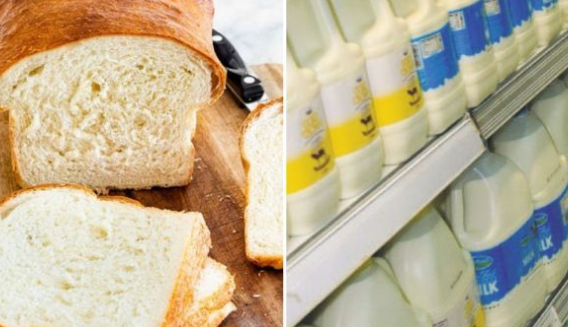
The Treasury is reportedly evaluating the advantages of levying a 16% Value Added Tax (VAT) on bread and milk, a move likely to impact the average consumer as authorities seek increased collections from the middle class.

Treasury Cabinet Secretary Njuguna Ndung’u cited findings from government studies supporting the proposal. These studies indicate that the zero-rated classification of bread and milk, exempting them from VAT, predominantly benefits the middle class rather than the intended low-income group.

Notably, VAT contributes approximately 40% of total taxes collected in the country, with only 18% allocated to tax refunds for products targeting the poor.

If implemented, the proposal would result in an estimated increase of at least KES 9 for a 400g loaf of bread and correspondingly higher prices for milk. The government is exploring a refund mechanism allowing consumers to directly claim refunds from the Kenya Revenue Authority (KRA) using purchase receipts.


RELATEDPOSTS

Rural banking expansion: how financial literacy drives economic inclusion in Kenya

November 20, 2025

Steps banks can take to align with fair lending practices

August 7, 2025

Professor Ndung’u proposed a transition to personalized tax refunds via receipts, bypassing firms in the process. This plan relies on the deployment of the electronic tax invoice management system (eTIMS), with a looming deadline for onboarding by March 31. The recent introduction of eTIMS Lite by the KRA aims to facilitate easier adoption for the informal sector.

Initially, the KRA exempted farmers and small businesses with annual turnovers under Sh5 million from e-invoice generation. However, this decision has been reversed, mandating all businesses to electronically generate and transmit invoices. The Tax Procedures (Electronic Tax Invoice) Regulations, 2023, outline nine transactions requiring electronic invoices, including those by businesses with turnovers under Sh5 million.

This shift towards e-invoicing encompasses various transactions such as emoluments, imports, interest, airline passenger ticketing, accounting adjustments, fees from financial institutions, and services by foreign entities lacking a permanent establishment in Kenya. The objective is to streamline tax procedures and enhance revenue collection efficiency.

Previous Post

EPRA announces fuel prices cut by KES 7 per litre

Next Post

NHIF faces potential billion shilling land dispute in Karen

Austin Wekesa

Austin Wekesa

Related Posts

News

Safaricom Sets Record Interim Dividend as Data and M-PESA Drive Profit Surge

February 6, 2026
News

NSSF unveils Sh30 billion city centre development targeting live-work urban model

February 6, 2026
News

Ishowspeed Concludes His 28-Day Africa Tour: What It Means For Africa

February 6, 2026
News

Happy staff, thriving business: Why companies are betting on employee wellbeing

February 6, 2026
News

From arrivals to accommodations: Tourism’s impact on Kenyan hospitality

February 6, 2026
Analysis

Pension fund returns moderate in 2025 as falling interest rates weigh on performance

February 5, 2026

LATEST STORIES

Opting Out of NSSF Tier II Contributions

February 6, 2026

Asset Diversification for Retirement Benefits Schemes

February 6, 2026

Kenya’s Rising Defender Sichenje Joins Charlton Athletic, Set to Spark National Pride Through European Ascent

February 6, 2026

Safaricom Sets Record Interim Dividend as Data and M-PESA Drive Profit Surge

February 6, 2026

NSSF unveils Sh30 billion city centre development targeting live-work urban model

February 6, 2026

Ishowspeed Concludes His 28-Day Africa Tour: What It Means For Africa

February 6, 2026

Happy staff, thriving business: Why companies are betting on employee wellbeing

February 6, 2026

From arrivals to accommodations: Tourism’s impact on Kenyan hospitality

February 6, 2026
  • About Us
  • Meet The Team
  • Careers
  • Privacy Policy
  • Terms and Conditions
Email us: editor@thesharpdaily.com

Sharp Daily © 2024

No Result
View All Result
  • Home
  • News
    • Politics
  • Business
    • Banking
  • Investments
  • Technology
  • Startups
  • Real Estate
  • Features
  • Appointments
  • About Us
    • Meet The Team

Sharp Daily © 2024