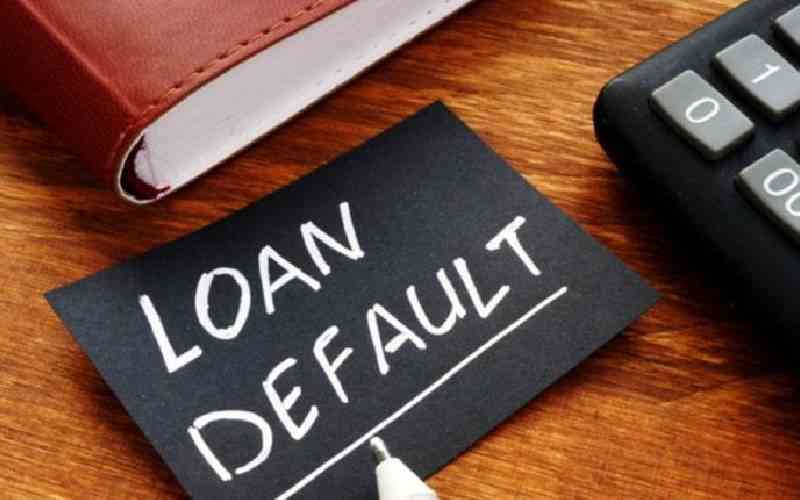
During the financial year ending in December 2023, loan defaults surged by KES 133.6 billion, surpassing levels seen during the Covid-19 pandemic. This sharp increase represents a record high in loan default values within a single year, leading to a rare decline in the banking sector’s unaudited net profits.
Fators such as heightened costs of goods and services, the introduction of new statutory deductions like the housing levy, and rising interest rates corresponding to an elevated Central Bank Rate (CBR), presently standing at 13 percent, its highest level in 12 years, have collectively diminished borrowers’ capacity to repay loans
Economic challenges faced by households and businesses contributed to this significant rise in defaults, reducing unaudited net profits for the period to KES 172.9 billion from the previous year’s KES175.5 billion.
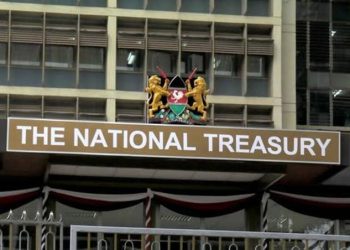
A disclosure by the National Treasury showed that loan defaults rose by 27.4 percent from Sh487.7 billion to KES 621.3 billion, marking the largest rise in a single year since CBK started making the data public.

According to the Treasury, approximately KES 248.52 billion, equivalent to 40 percent of Non-Performing Loans (NPLs), were attributed to the manufacturing and trading sectors by the end of December. This indicates challenges faced by businesses and heightened concerns regarding potential layoffs and a decrease in new job opportunities.
The KES 133.6 billion rise in the value of defaulted loans raced past the KES 99.2 billion that was added in the year ended December 2020 when households and businesses were battling Covid-19 economic disruptions.
“The slightly elevated NPL ratio is due to a higher government spending bill as well as the economic slowdown. Approximately 40 percent of total NPLs are concentrated in the manufacturing and trade sectors, thus reducing contagion to the banking sector,” the Treasury said in its newly published $2 billion ( KES 319 billion) Eurobond buyback prospectus.
Last year, the Monetary Policy Committee of the CBK dealt borrowers a significant blow by raising the CBR from 10.5 percent to 12.5 percent. Last week, the committee further increased it to 13 percent, matching the rate seen in September 2012.
This new rate is expected to trigger another round of loan repricing upwards, introducing a new challenge for borrowers as they enter 2024.Weighted average lending rates for banks stood at 14.63 percent in December, the since August 2016 when it averaged 17.66 percent.
CBK Governor Kamau Thugge last Wednesday said he is “concerned” about the NPLs and what impact the rising interest rates will have on them but said the focus now is on controlling inflation and managing the weakening of the shilling.
“We continue to keep an eye on them (NPLs) but we are convinced that stabilising inflation and exchange rate at this time is the most critical thing we can do to stabilise the macro-economic environment,” he said.