Sharp Daily
No Result
View All Result
Monday, June 15, 2026
  • Home
  • News
    • Politics
  • Business
    • Banking
  • Investments
  • Technology
  • Startups
  • Real Estate
  • Features
  • Appointments
  • About Us
    • Meet The Team
Sharp Daily
  • Home
  • News
    • Politics
  • Business
    • Banking
  • Investments
  • Technology
  • Startups
  • Real Estate
  • Features
  • Appointments
  • About Us
    • Meet The Team
No Result
View All Result
Sharp Daily
No Result
View All Result
Home News

Audit report: Government subsidies for maize and fertilizer were ineffective

Brian Murimi by Brian Murimi
December 19, 2023
in News
Reading Time: 1 min read

Government subsidies aimed at lowering costs of maize flour and fertilizer to boost food security have fallen short of their goals due to poor planning and execution, Kenya’s auditor general said in a report Tuesday.

The maize flour subsidy program allocated KES 4 billion to millers to provide discounted flour to consumers and reduce prices during a period of high inflation last August. But auditors found “no mechanism of ensuring that the subsidized maize flour was sold to the final consumers at the subsidized price,” the report said.

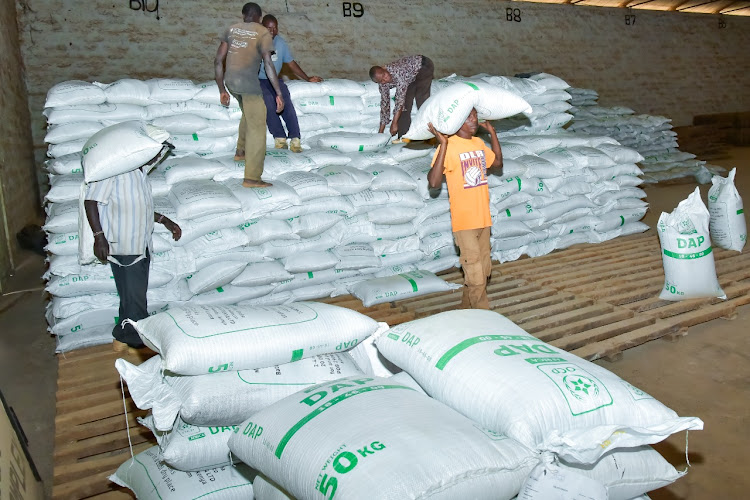
The fertilizer program distributed discounted fertilizer to farmers late in the planting season, causing distribution delays that “undermined the urgency with which the amount was sought” from special government funding, according to the report.

“The objective of the sifted maize flour subsidy programme of mitigating the high cost of maize flour was not met,” the audit report stated, adding the fertilizer subsidy “was not in time for the planting season.”


RELATEDPOSTS

Audit reveals deep gaps in teachers’ medical cover

April 8, 2026

Auditor-general exposes illegal fees and uniform cartel at Starehe boys

February 4, 2026

The findings highlighted implementation challenges in the government’s use of extra constitutional funds to respond to economic shocks like rising food and fuel costs. Auditors said weak oversight of the withdrawal of KES 147 billion from special contingency funding contributed to misuse of funds in some cases.

The report said lonely bags of discounted fertilizer collecting dust in county warehouses did little to serve farming communities struggling with high input costs.

The report recommended improved guidelines for using contingency funds and public participation to improve accountability. Auditor General Nancy Gathungu also called for sanctions against officials who violate procurement and payment timelines.


Previous Post

AI camera, a possible solution to Kenya’s garbage problem

Next Post

KRA introduces bulk invoice system for large transactions

Brian Murimi

Brian Murimi

Brian Murimi is a communications and advocacy professional with a focus on innovation, policy and continental development in Africa. A former journalist, he now works at the intersection of knowledge, strategy, and pan-African institution building.

Related Posts

News

June 12, 2026
News

Where Fintech Companies Actually Make Their Real Profits: Beyond Payments and Transaction Fees

June 12, 2026
News

Why Revenue Growth in Fintech Can Be Misleading: The Hidden Economics Behind Digital Payments

June 12, 2026
News

Finance bill 2026: key tax reforms and economic impact in kenya

June 12, 2026
News

INVISIBLE TRANSACTIONS: THE FUTURE OF PAYMENTS

June 12, 2026
News

Kenya’s Growing Reliance on Domestic Borrowing: Opportunity or Crowding-Out Risk?

June 12, 2026

LATEST STORIES

June 12, 2026

Where Fintech Companies Actually Make Their Real Profits: Beyond Payments and Transaction Fees

June 12, 2026

Why Revenue Growth in Fintech Can Be Misleading: The Hidden Economics Behind Digital Payments

June 12, 2026

Finance bill 2026: key tax reforms and economic impact in kenya

June 12, 2026

INVISIBLE TRANSACTIONS: THE FUTURE OF PAYMENTS

June 12, 2026

Kenya’s Growing Reliance on Domestic Borrowing: Opportunity or Crowding-Out Risk?

June 12, 2026

Family Bank’s NSE Listing: A Long-Overdue Milestone for Kenya’s Capital Markets

June 12, 2026

Kenya’s Small Banks Given Until 2032 to Meet Kshs 10 Billion Core Capital Requirement

June 12, 2026
  • About Us
  • Meet The Team
  • Careers
  • Privacy Policy
  • Terms and Conditions
Email us: editor@thesharpdaily.com

Sharp Daily © 2024

No Result
View All Result
  • Home
  • News
    • Politics
  • Business
    • Banking
  • Investments
  • Technology
  • Startups
  • Real Estate
  • Features
  • Appointments
  • About Us
    • Meet The Team

Sharp Daily © 2024