Sharp Daily
No Result
View All Result
Sunday, January 25, 2026
  • Home
  • News
    • Politics
  • Business
    • Banking
  • Investments
  • Technology
  • Startups
  • Real Estate
  • Features
  • Appointments
  • About Us
    • Meet The Team
Sharp Daily
  • Home
  • News
    • Politics
  • Business
    • Banking
  • Investments
  • Technology
  • Startups
  • Real Estate
  • Features
  • Appointments
  • About Us
    • Meet The Team
No Result
View All Result
Sharp Daily
No Result
View All Result
Home News

Audit reveals EAPCC’s tax defaults and salary woes, totaling billions

Kevin Cheruiyot by Kevin Cheruiyot
December 1, 2023
in News
Reading Time: 2 mins read

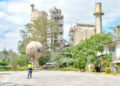
East African Portland Cement Company (EAPCC) faces significant financial challenges, according to a recent review of its financial statements by the Auditor-General. The state-owned firm has defaulted on taxes and salaries totaling a staggering KES 3.6 billion as of June 2023.

The audit report highlights cash flow constraints, preventing the company from settling amounts due to statutory authorities. Among these outstanding payments are KES 1.7 billion for Pay As You Earn (PAYE), a Value Added Tax (VAT) balance of KES 247.0 million, and pension liabilities of KES 159.0 million, encompassing principal, penalties, and interests. Additionally, the company grapples with unpaid salaries based on the Collective Bargaining Agreement (CBA) terms, with an estimated total exposure of KES 1.5 billion.

The Kenya Revenue Authority (KRA) initially assessed the tax payable at KES 2.6 billion, but the amount was later reduced to KES 1.7 billion following an audit spanning 2005 to 2008, covering corporate taxes, employee taxes, withholding tax, and VAT. Despite EAPCC having paid KES 122 million and appealing against a further KES 473.0 million through the local committee (which ruled in favor of the company), KRA filed a notice to appeal in the High Court against the Local Committee ruling. However, the substantive appeal to the High Court has not been filed by KRA, and the directors express the view that no additional liabilities will arise from these matters.

Former employees of EAPCC have been granted permission to seize the company’s bank accounts to enforce their claims, as the Court of Appeal emphasized that the company had not fulfilled previous court orders and consent agreements with its employees.

RELATEDPOSTS

High Court blocks Obodha’s appointment amid legal dispute

January 3, 2025

East African Portland Cement denies shutdown reports, assures normal operations

December 20, 2024

The company’s financial woes are further compounded by its consistent losses, prompting it to rely on the sale of its land holdings to alleviate some of its debt. In the year ending June, EAPCC raised KES 2.1 billion from land sales, contributing to debt repayments of KES 2.1 billion. The company reported a loss of KES 1.3 billion during this period, reversing a net profit of KES 541.5 million from the previous year, primarily attributed to gains on its investment property.

EAPCC is navigating a challenging financial landscape marked by tax defaults, salary arrears, and a reliance on asset sales to meet its financial obligations. The company’s ongoing struggles underscore the need for comprehensive measures to address its financial stability and ensure its sustainability in the long run.

Previous Post

Murkomen directs infrastructure overhaul at JKIA, Wilson, Moi airports

Next Post

Kenya’s November inflation rate shows marginal dip to 6.8%

Kevin Cheruiyot

Kevin Cheruiyot

Related Posts

News

Public enterprises in the capital market

January 23, 2026
News

Why Bank Lending Rates Remain Sticky Despite CBK Policy Signals

January 23, 2026
News

The Rising Foreign Ownership of Kenyan Banks: Opportunity, Risk, or Market Maturity?

January 23, 2026
News

Fuel price decline as a hidden stimulus

January 23, 2026
News

Beyond Representation: Are Kenya’s Foreign Missions Engines of Economic Growth?

January 23, 2026
News

Beyond Compliance: Why Money Laundering Is a Development Problem

January 23, 2026

LATEST STORIES

Why the Two-tiered Structure in NSSF is Important

January 23, 2026

Public enterprises in the capital market

January 23, 2026

Why Bank Lending Rates Remain Sticky Despite CBK Policy Signals

January 23, 2026

The Rising Foreign Ownership of Kenyan Banks: Opportunity, Risk, or Market Maturity?

January 23, 2026

Fuel price decline as a hidden stimulus

January 23, 2026

Beyond Representation: Are Kenya’s Foreign Missions Engines of Economic Growth?

January 23, 2026

Beyond Compliance: Why Money Laundering Is a Development Problem

January 23, 2026

LAPSSET: Delayed Vision or Long-Term Bet on Regional Integration?

January 23, 2026
  • About Us
  • Meet The Team
  • Careers
  • Privacy Policy
  • Terms and Conditions
Email us: editor@thesharpdaily.com

Sharp Daily © 2024

No Result
View All Result
  • Home
  • News
    • Politics
  • Business
    • Banking
  • Investments
  • Technology
  • Startups
  • Real Estate
  • Features
  • Appointments
  • About Us
    • Meet The Team

Sharp Daily © 2024