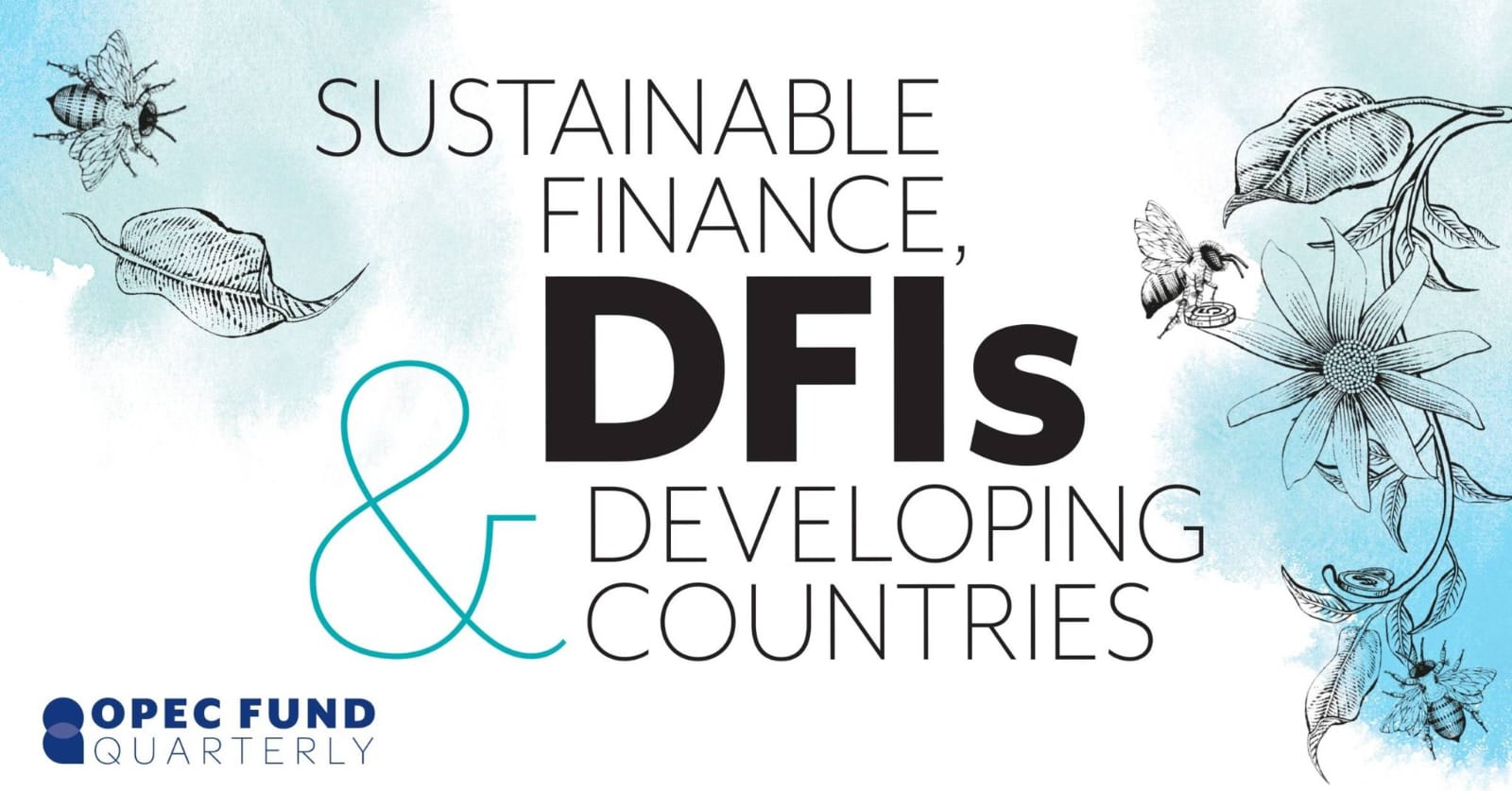
In the landscape of Kenya’s economic development, where ambitious growth objectives meet the reality of significant financing gaps, a specialized class of lenders operates with a distinct mandate. Development Finance Institutions (DFIs), both multilateral and bilateral, are not typical banks. They are strategic catalysts, deploying patient capital and technical expertise to fund projects and sectors deemed crucial for long-term national progress but often considered too large, risky, or unprofitable for commercial banks in the short term. Their role is foundational, targeting the structural pillars of the economy from infrastructure to climate resilience.
DFIs operate across a spectrum of critical areas, acting as counter-cyclical investors, especially during periods of market uncertainty. Their most visible impact is in financing large-scale, transformative infrastructure. Institutions like the African Development Bank (AfDB), the World Bank’s International Development Association (IDA), and the European Investment Bank (EIB) have been instrumental in funding Kenya’s flagship projects in energy generation, transport networks, and water security. By providing long-tenor loans, often with concessional rates, they de-risk such projects, making it possible for them to proceed and sometimes attracting essential co-investment from private capital.
Beyond hard infrastructure, DFIs play a pivotal role in strengthening the private sector, particularly by addressing the persistent lack of long-term financing for businesses. They achieve this through several channels, including providing direct credit lines to local banks for on-lending to Small and Medium-sized Enterprises (SMEs) in key sectors like manufacturing and agri-business. They also make strategic equity investments in Kenyan companies and private equity funds, supplying the growth capital necessary for expansion. Furthermore, institutions like the International Finance Corporation (IFC) are key supporters of Kenya’s dynamic fintech sector, funding innovation that drives financial inclusion.
DFIs are also central to Kenya’s climate action and green transition. They are leading funders of geothermal, wind, and solar power projects, aligning with the country’s clean energy goals. This role is particularly vital given the continent’s vast untapped potential. Africa holds an estimated 40.0% of the world’s solar energy potential and 65.0% of its unused arable land, positioning it as a future climate-smart global food basket. However, unlocking this potential requires massive capital, and traditional private investment models prevalent in developed markets have been slow to mobilize in Africa. For instance, while private equity firms contribute about 20.0% of climate finance in the United States, their share in Africa is less than 5.0%. DFI funding, which often comes with stringent environmental and social governance (ESG) standards, is therefore critical to bridging this gap and setting benchmarks for sustainable development.


However, the relationship between Kenya and its DFI partners is nuanced and not without critique. The sheer scale of DFI lending, often in foreign currency, contributes to the country’s external public debt stock. While concessional, this debt must still be serviced, placing pressure on national reserves. There are also ongoing debates about the alignment of DFI projects with the most pressing local needs, the transparency of terms, and the effectiveness of knowledge transfer. Occasionally, projects face criticism over implementation delays, cost overruns, or social displacement, highlighting the complex challenges of large-scale development finance.
In conclusion, DFIs are indispensable partners in Kenya’s development journey. They provide the essential capital and credibility for the nation to undertake transformative projects and support private sector growth in strategic areas. Their role as patient, development-focused lenders fills a critical void in the market. The future effectiveness of this partnership will hinge on even greater collaboration, ensuring projects are not only financially sound but also inclusive, environmentally sustainable, and meticulously executed to deliver maximum developmental impact for the Kenyan people. For businesses and investors navigating this shaped landscape, understanding the flow of development capital is key. For individual financial planning aligned with a growing economy, a disciplined investment approach remains fundamental. Start your investment journey today with the Cytonn Money Market Fund. Call +254 (0)709 101 200 or email sales@cytonn.com.