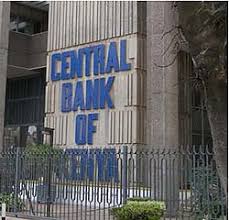
The Central Bank of Kenya (CBK) plays a central role in stabilizing Kenya’s economy especially during periods of financial stress. As the nation faces internal and external economic pressures from high public debt, global market shifts and domestic demand fluctuations, the central bank’s policies are designed to preserve price stability, ensure the health of the banking sector, and support sustainable growth.
A key tool in the CBK’s stabilization toolkit is Monetary Policy adjustment. Since mid-2024, the Monetary Policy Committee (MPC) has repeatedly cut the Central Bank Rate (CBR) to ease financial conditions and stimulate economic activity. By late 2025, the CBR had been reduced for nine consecutive meetings, bringing the rate down to 9.0% in December 2025, a significant shift from the double-digit levels seen earlier in the year. This easing cycle was driven by persistently moderate inflation that has stayed within the CBK’s target band of 2.5%–7.5% which allows room for accommodative policy without triggering price instability. Inflation rates in 2025, such as 4.5% in November, indicated that consumer prices remained stable giving the central bank confidence to continue lowering borrowing costs. These rate cuts aim to make credit more affordable for businesses and households encouraging investment and consumption to underpin economic growth.
Alongside interest rate adjustments, the CBK has refined its Monetary Policy framework to improve liquidity and credit transmission. In April 2025, the MPC narrowed the interest rate corridor(this is a range that is set to guide short-term interest rate in the economy) around the benchmark rate to 75.0 bps from 150.0 bps. This measure enhanced interbank market functioning and helped narrow interest rate spreads. The bank also lowered the Cash Reserve Ratio in Feb 2025 by 1.0% points to 3.25% from 4.25% to release more liquidity into the banking system which is essential in a crisis when credit demand is fragile.
These policy actions are complemented by efforts to maintain exchange rate and financial market stability. Despite global uncertainties, the Kenyan shilling has remained relatively stable supported by robust foreign exchange reserves and inflows from remittances and exports. As of December 2025, CBK’s foreign exchange reserves stood at USD 12,065.0 million, providing a buffer against external shocks that could otherwise destabilize the economy. The banking sector itself has shown resilience with strong liquidity and capital adequacy ratios which helps prevent systemic risk during turbulent periods.


Through calibrated monetary easing, liquidity support and maintenance of macroeconomic stability, the Central Bank of Kenya contributes significantly to cushioning the economy during financial disruptions. Its actions aim to foster a stable price environment, support credit flow and build confidence in financial markets which are key ingredients for resilience and recovery in times of economic stress. ( start your investment journey today with the cytonn money market fund. Call + 254 (0)709101200 or email sales@cytonn.com)