Modern economies are built on long-term foundations such as infrastructure, human capital, institutions, and trust. Yet many economic decisions are increasingly driven by short-term thinking. Governments, businesses, and even households often prioritize immediate gains over sustainable outcomes, creating tensions that can undermine long-term economic stability and growth. In public finance, short-term thinking frequently appears through policy choices aimed at quick political wins rather than lasting impact. Governments may expand recurrent spending, delay structural reforms, or rely on excessive borrowing to ease immediate fiscal pressure. While such measures can provide temporary relief, they often weaken public balance sheets, crowd out private investment, and reduce the capacity to fund future development priorities such as education, healthcare, and infrastructure.
Businesses are not immune to this pattern. Corporate short-termism can manifest through cost-cutting that sacrifices innovation, underinvestment in employee development, or prioritizing quarterly profits over long-term competitiveness. In the long run, this weakens productivity growth and reduces firms’ ability to adapt to technological and market shifts. Economies dominated by short-term corporate strategies tend to experience slower innovation and higher vulnerability to economic shocks. Households also participate in short-term economic behavior, particularly in credit-heavy environments. Easy access to short-term loans can encourage consumption-driven growth at the expense of savings and investment. While consumption supports economic activity in the short run, insufficient long-term savings limits capital formation and increases financial fragility among households.
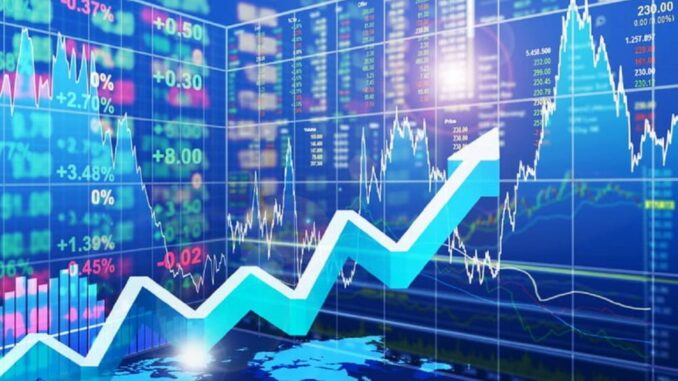
The financial markets amplify short-term thinking through performance pressures and rapid capital flows. Investors often chase short-term returns, reacting quickly to news and policy changes. This can increase market volatility and discourage long-term investment in productive sectors such as manufacturing, green energy, and research-driven industries that require patience to deliver returns. A long-term economy, however, demands long-term thinking. Sustainable growth depends on consistent investment in infrastructure, skills, innovation, and sound institutions. Policymakers, investors, and consumers must balance immediate needs with future consequences, recognizing that short-term gains achieved at the expense of long-term resilience often carry hidden costs.
Addressing short-termism requires stronger institutions, credible policy frameworks, and incentives that reward long-term value creation. Economies that successfully align short-term decisions with long-term objectives are better positioned to achieve inclusive, stable, and sustainable growth.