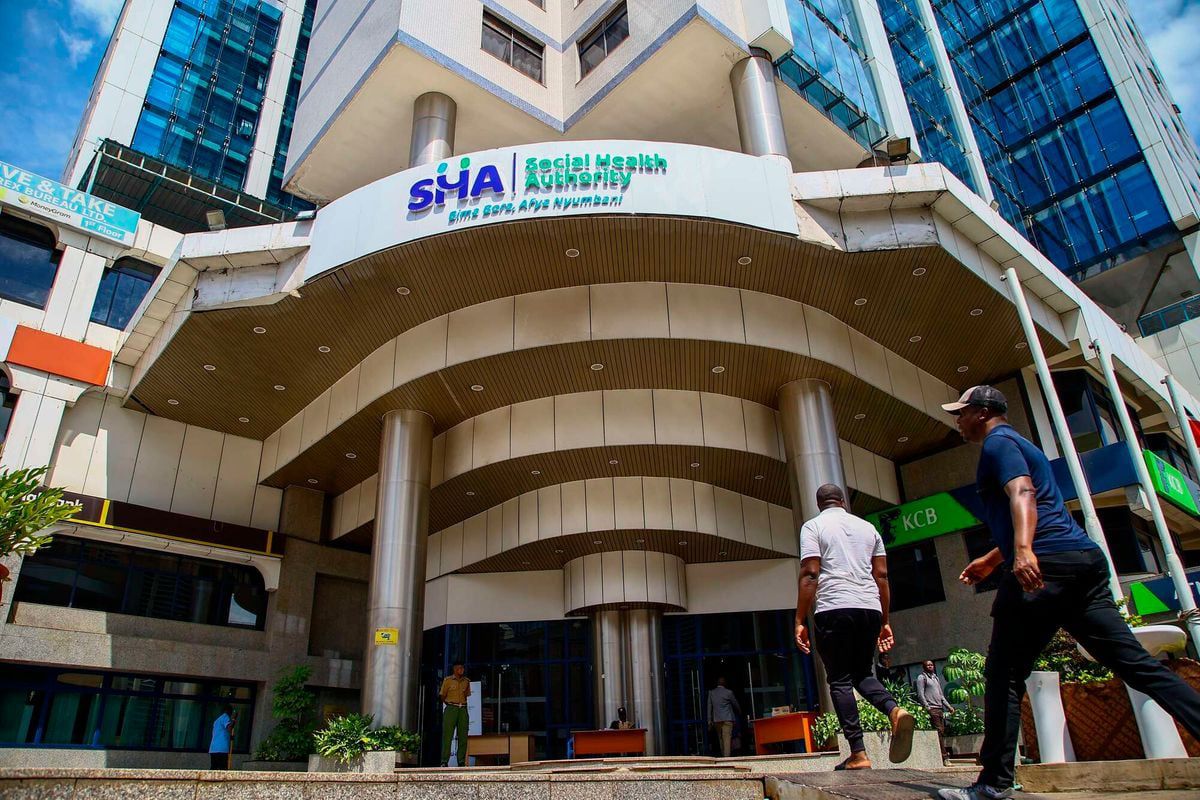
A recent audit has revealed that the Social Health Authority (SHA) lost approximately Sh11 billion between October 2024 and April 2025 due to widespread fraudulent practices. The losses were primarily linked to fake patient admissions and inflated medical claims submitted by private hospitals, raising concerns about governance, oversight, and financial controls within Kenya’s public healthcare financing system.
According to the audit findings, a significant portion of the funds was paid out for services that were either exaggerated or never provided. Fake admissions formed a major component of the scheme, with claims submitted for patients who were not genuinely admitted or whose length of stay was overstated. In other cases, hospitals allegedly inflated the cost of procedures, diagnostics, and treatments beyond actual service levels.
The scale of the losses highlights systemic weaknesses in claims verification and monitoring processes. Rapid expansion of healthcare coverage, combined with limited real-time auditing capacity, appears to have created vulnerabilities that were exploited over the seven-month period. The audit suggests that existing controls were insufficient to detect irregular billing patterns in a timely manner, allowing losses to accumulate before intervention.
The findings also underscore the broader financial risks facing Kenya’s healthcare financing reforms. SHA plays a central role in advancing universal health coverage by pooling public resources and reimbursing healthcare providers. Large-scale leakages not only strain public finances but also undermine confidence in the sustainability of the system. When funds intended for patient care are diverted through fraud, the impact is felt across service delivery, supplier payments, and overall sector credibility.


Private hospitals featured prominently in the audit, reflecting the growing role of private providers in Kenya’s healthcare ecosystem. While private sector participation is essential to expanding access and capacity, it also requires robust accountability frameworks to ensure that public funds are used appropriately. Strengthening data systems, claims analytics, and enforcement mechanisms will be critical to reducing future exposure to similar risks.
Beyond the healthcare sector, the audit highlights the wider implications of financial mismanagement on public resources. Large losses increase fiscal pressure, potentially diverting funds from other priority areas such as infrastructure, education, and social protection. For households and taxpayers, such inefficiencies translate into higher costs and reduced service quality over time.
Episodes of large scale financial leakage reinforce the importance of transparency, oversight, and prudent financial management across both public and private institutions. They also emphasize the need for individuals to maintain personal financial resilience amid broader economic uncertainty. Sound savings habits and access to reliable financial instruments can help households manage shocks that arise from systemic inefficiencies.
In this context, low-risk and liquid savings options continue to play a key role in financial planning. They provide stability and flexibility, allowing individuals to safeguard their funds while remaining prepared for changing economic conditions.
As public finances face increased scrutiny and economic conditions remain fluid, maintaining a flexible and stable savings strategy is essential. Consider growing your savings with the Cytonn Money Market Fund (CMMF) a transparent, liquid investment option designed to help you earn steady returns while keeping your funds accessible.
📞 Call +254 (0) 709 101 200 or 📧 email sales@cytonn.com to learn more.