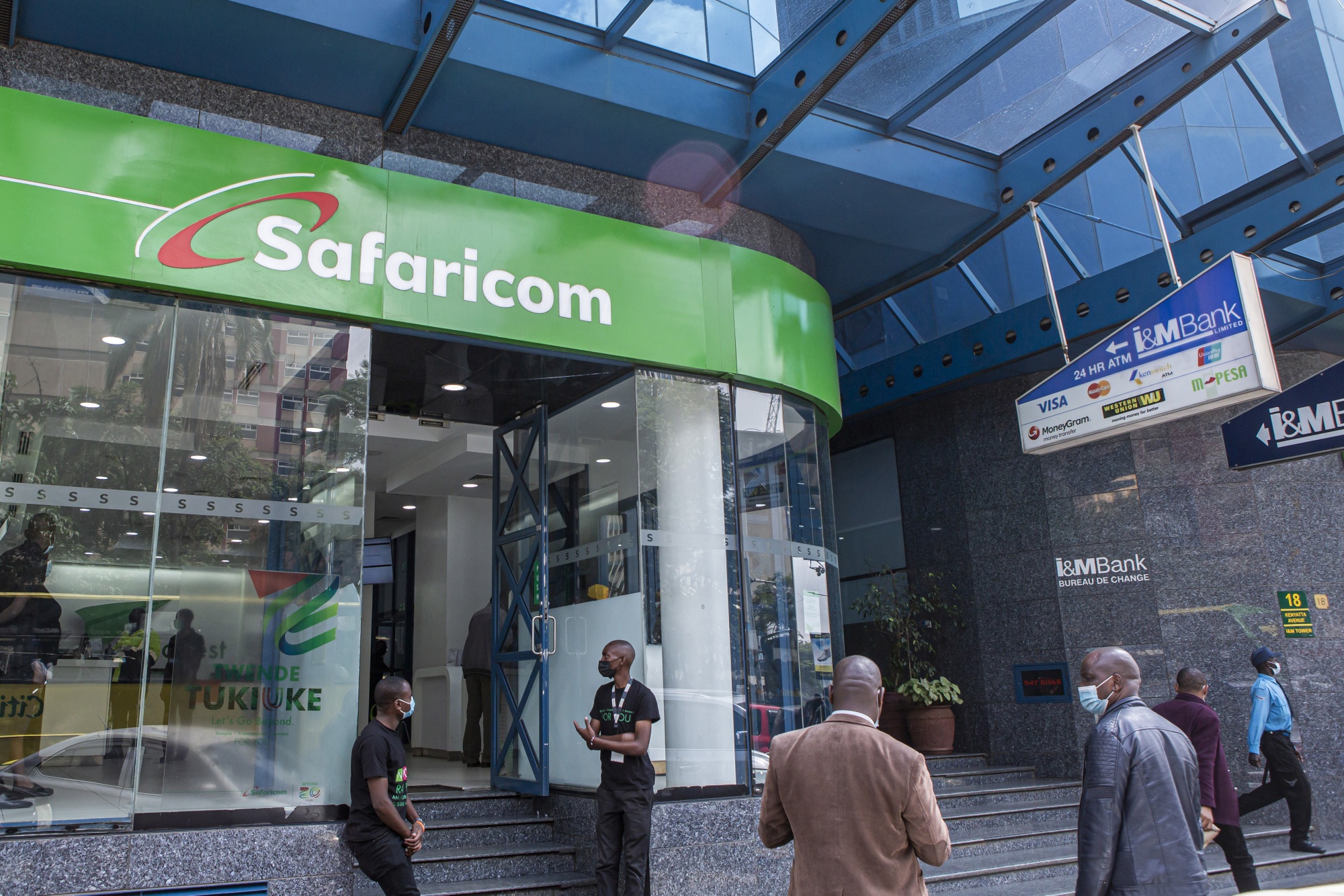
Safaricom has formally requested the Communications Authority of Kenya (CA) to reconsider its approach to licensing independent satellite service providers in the country, amid the rising prominence of Starlink’s satellite internet services. The telecommunications giant is concerned about potential risks and impacts that might arise from granting independent licenses to these providers.
In a letter dated July 5, 2024, and seen by Sharp Daily, Safaricom expressed concerns to David Mugonyi, the Director General of the CA, regarding the potential negative impacts of issuing direct licenses to satellite service providers. The company recommends an alternative licensing approach, proposing that these providers operate solely through agreements with existing local licensees. This would ensure that they act as infrastructure providers rather than operating independently.
“Safaricom kindly requests the Communications Authority of Kenya to carefully assess the risks of granting independent licenses to Satellite service providers and the consequent harm it may cause to Kenya,” the letter states. The company suggests that such a model would allow for innovation while mitigating potential negative impacts.
The emergence of satellite technology capable of delivering internet directly to end users from space has garnered significant attention globally. This technology, known as Direct to Device, offers the potential to enhance coverage in areas traditionally underserved due to geographical or commercial constraints. In line with this, Safaricom has partnered with Avellan Space Technology & Science (AST) to leverage its Space Mobile solution. AST will function as an infrastructure provider to Safaricom, rather than operating independently.


“Direct to Device Satellite services has become a key topic of discussion globally, along with significant media coverage,” Safaricom noted in its letter. This development is part of a broader trend, with the International Telecommunication Union (ITU) also exploring the Mobile Satellite Service in its upcoming agenda.
Safaricom’s stance comes in response to the growing influence of Starlink, a satellite internet service provider owned by SpaceX. Starlink has recently introduced rental services for its hardware kits in Kenya, marking a significant shift in its strategy to broaden its market reach. This move aims to lower entry barriers for customers by offering a rental option at KES 1,950 per month, as opposed to requiring a full purchase.
Starlink’s rental service also includes various service plans, with costs ranging from KES 1,300 for a 50GB monthly plan to KES 6,500 for an unlimited data plan. Additionally, a one-time activation fee of KES 2,700 applies. This pricing structure is designed to cater to a diverse range of needs and budgets, potentially enhancing access to high-speed internet across different economic segments.
Starlink’s hardware kits are now widely available across Kenya, including through prominent retailers such as Carrefour, and payments can be conveniently processed through local options like M-Pesa. This extensive availability and simplified payment process contribute to Starlink’s swift adoption in the Kenyan market.
The rental model introduced by Starlink may reshape the internet landscape in Kenya by making high-speed internet more accessible in rural and underserved regions. However, uncertainties remain regarding whether the rental arrangement includes a rent-to-own option or how users can return the kits if they decide to terminate the service.
In its letter, Safaricom emphasized its significant investments in acquiring operating and radiofrequency spectrum licenses, as well as its commitment to adhering to local regulations and contributing to Kenya’s socio-economic development.