
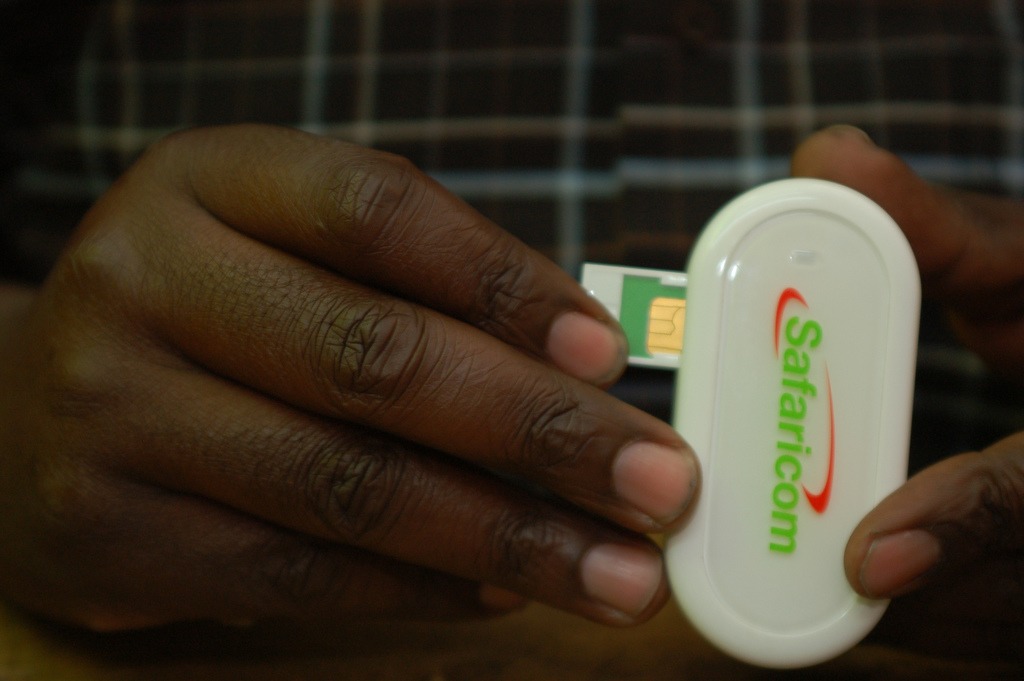
Safaricom faced major customer backlash after quietly cutting data bundles. Kenya’s biggest telco slashed its popular ‘No Expiry’ package rates by more than 50 percent from October 22. This move effectively doubled data costs. The company has now restored the bundles and blamed the cuts on a “technical issue.”
Major Bundle Cuts Hit Customers Hard
The changes were dramatic. Before the cuts, customers got 255MB of non-expiring data for Sh51. This dropped by more than half to just 102MB. The Sh100 package fell from 400MB to 200MB. Meanwhile, the Sh250 bundle dropped from 1GB to 500MB. These reductions doubled the cost per megabyte.
The timing made things worse. Safaricom made these changes without any announcement. Many customers only noticed when they bought bundles and got less data than expected. Social media filled with complaints. Users questioned whether this was a pricing change or a system error.
How Safaricom Responded
On October 23, Safaricom posted on X about “an issue affecting data bundles.” The company said it was working on a fix. However, it gave no official comment at first. This left customers confused.


On Sunday and Monday, affected customers got SMS messages. The texts said the issue was fixed and extra bundles were added. A company spokesperson confirmed on Monday that refunds went out. Customers who got less data received the remaining amount back.
The company took about a week to fix the problem. During this time, customers paid more for less data. Spot checks after the fix showed improvements. Sh250 now buys 1.25GB of non-expiring data. This beats the original 1GB before the controversy.

Mobile Data Drives Revenue Growth
Mobile data has become crucial for Safaricom’s business. The company earned Sh44.4 billion from mobile data in the six months to September. This represents 18.2 percent growth. Data has now overtaken voice calls as the main revenue source. Voice revenues fell 0.5 percent to Sh41 billion in the same period.
This shift explains why bundle pricing matters so much. As voice revenue drops, data services keep the company growing. Market saturation and messaging apps have hurt voice services. The company needs data revenue to stay profitable.
Safaricom has invested heavily in network infrastructure. The telco expanded 4G and 5G coverage to all counties. These investments cost money. However, customers still expect affordable data services.
Market Dominance Brings Scrutiny
Safaricom controls Kenya’s broadband market. The Communications Authority of Kenya reports the company holds 62.8 percent of mobile broadband. It also has 34.3 percent of fixed internet as of June 2025. This dominance gives pricing power but also draws attention to any price changes.
Airtel Networks Kenya is the main competitor with 32.2 percent market share. Airtel often offers better prices. For example, Airtel gives 1GB for one hour at Sh15. Safaricom charges Sh20 for 1.2GB with the same validity. For 24-hour bundles, Sh20 buys 200MB on Safaricom versus 300MB on Airtel. Airtel’s 50GB monthly bundle costs Sh3,000, while Safaricom offers 25GB monthly at Sh2,000.
These price gaps put pressure on Safaricom. Customers become more price-sensitive during economic challenges. Any price increase through reduced bundles risks losing customers to cheaper options.
Industry Moves Toward Dynamic Pricing
Telcos worldwide now use dynamic pricing for data and calls. These systems adjust costs in real-time. Factors include demand, usage patterns, and network congestion. Big data and AI power these systems. This differs from old fixed-rate models.
However, dynamic pricing creates challenges. Consumers prefer stable, predictable prices. They need to budget for phone expenses. Sudden changes without notice cause backlash. Safaricom’s experience proves this point.
Regulators haven’t fully addressed dynamic pricing yet. Companies must balance profit goals with customer satisfaction. Clear communication about price changes becomes essential. Customers need to understand why their costs might change.
Impact on Kenya’s Digital Goals
The controversy affects Kenya’s broader digital plans. Affordable data enables digital inclusion. It supports e-commerce, mobile money, remote learning, and telehealth. Price increases that make data expensive can hurt these goals. Low-income users and rural areas suffer most.
Kenya has made good progress on connectivity. Mobile broadband subscriptions hit 58.6 million in June 2025. That’s a 78.2 percent penetration rate. Smartphone users grew to 43.8 million. However, keeping data affordable matters for continued growth.
The government’s digital agenda depends on affordable internet. Digital services, e-learning, and telemedicine need reliable connectivity. Telcos must serve shareholders but also support national development. Pricing must balance business needs with social responsibility.
Questions About Consumer Protection
This incident raises concerns about customer safeguards. A dominant player cut bundles by over 50 percent without notice. This shows possible gaps in oversight. The Communications Authority regulates the industry. Yet consumer protection during such incidents needs review.
Best practices require advance notice for major changes. Cutting bundles significantly without communication breaks customer service standards. Better rules about pricing notifications could prevent future issues.
Customers got results mainly through social media complaints. Public pressure forced the fix rather than formal channels. This suggests weak complaint systems. Stronger consumer protection tools could improve outcomes. They would also reduce risks for service providers.
Key Lessons for Telcos
Several lessons emerge from this controversy. First, transparent communication about pricing is crucial. Even technical issues need quick, clear messages. This maintains trust and manages expectations.
Second, customer backlash spreads fast in the digital age. Social media amplifies complaints quickly. This creates reputation risks beyond the immediate problem. Telcos need strong social media monitoring. They must respond before issues become major controversies.
Third, market dominance has limits. Customer tolerance and competition set boundaries. Even market leaders must consider customer reactions carefully. This matters most for widely-used services. Sometimes companies need extra compensation to restore confidence. Safaricom’s enhanced bundles show this approach.
The Path Forward
Safaricom’s bundle restoration shows customer power. The company returned previous allocations, issued refunds, and added enhancements. Yet the incident reveals ongoing tensions. Companies want revenue. Customers want affordable data. Finding balance remains challenging.
Kenya’s digital transformation depends on telecommunications. Operators must weigh commercial goals against social responsibilities. Transparent communication matters. Customer-focused service design is essential. Good complaint systems must work alongside network expansion and innovation.
The lessons from this event should guide future practices. They can build a stronger, customer-focused telecom ecosystem. This supports Kenya’s digital development goals. The Nairobi Securities Exchange-listed company and its competitors must learn from this experience.
Moving forward, success requires more than just technical capability. It demands understanding customer needs and maintaining trust. As data becomes more central to daily life, these factors become even more important. The relationship between telcos and customers will shape Kenya’s digital future.