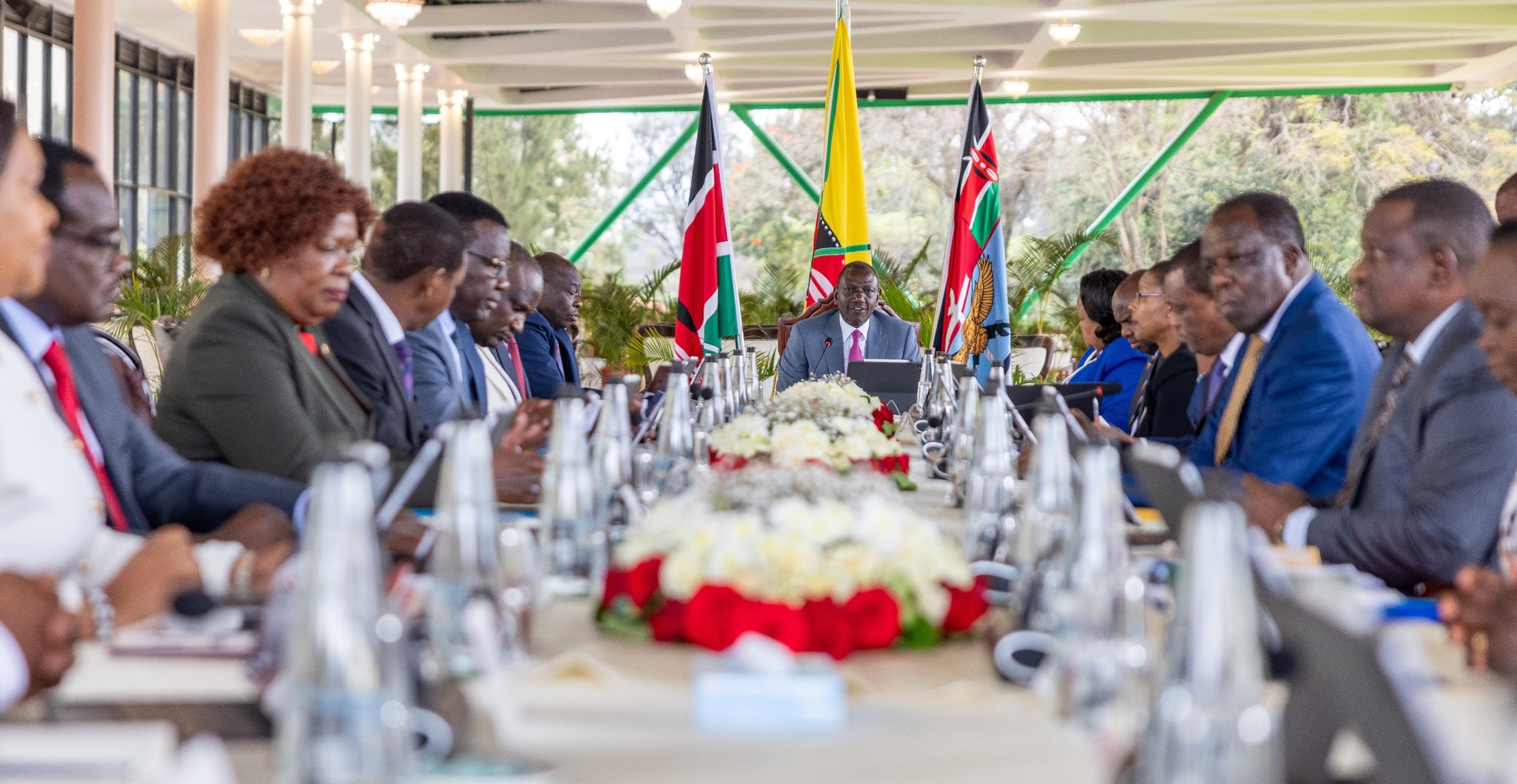
Kenya’s newly reconstituted Cabinet, led by President William Ruto, has announced sweeping reforms aimed at enhancing accountability and transparency across the government. The Cabinet’s inaugural meeting, which took place earlier today, unveiled a series of measures designed to address financial mismanagement and bolster public sector integrity.
President Ruto’s administration is intensifying its fight against corruption by implementing several key initiatives. Among the most notable is the introduction of surcharges for public officials whose actions result in the loss of public funds. This measure aligns with constitutional provisions under Articles 226(5), 201(d), and 232(b) and aims to hold accountable those responsible for financial mismanagement.
“We are committed to ensuring that public officials are held to the highest standards of accountability,” President Ruto’s office said in a statement following the meeting. “The new measures will not only address past issues but also prevent future occurrences of corruption and mismanagement.”
A central component of the new anti-corruption strategy is the rollout of a Unified Personnel Identification system. This system is designed to eliminate payroll fraud by addressing the problem of ‘ghost workers’—individuals who are on government payrolls but do not actually exist. This move is expected to streamline payroll processes and prevent unnecessary expenditures.

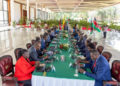
The Cabinet also approved the establishment of a legal and institutional framework for the continuous vetting of all public officers. This includes centralizing wealth declarations under a single office, which aims to enhance transparency and reduce opportunities for corruption. In addition, there will be amendments to the Evidence Act and the Criminal Procedure Code to expedite the prosecution of corruption cases, ensuring they are resolved within six months.
The new governance reforms also extend to protecting whistleblowers. The Cabinet has recommended a review of the Witness Protection Act to provide better incentives and safeguards for those who report corruption and other economic crimes.
In another significant development, the Cabinet approved the transition from the National Health Insurance Fund (NHIF) to the Social Health Authority (SHA), effective October 1, 2024. This change is expected to broaden health coverage, including an expansion of maternal and child health services through initiatives like the Linda Mama Programme. This programme will now cover both prenatal and postnatal care.
The financial inclusion landscape is also set to evolve with the introduction of a new product under the Hustlers Fund. This fund, which has already disbursed KES 57 billion and mobilized KES 3.2 billion in savings, will now target Small and Medium Enterprises (SMEs). The initiative aims to deepen financial inclusion and provide more tailored financial services to SMEs.
On the environmental front, the Cabinet has approved several programs to address climate change. Notably, the National Landscape and Ecosystem Restoration Strategy aims to plant 15 billion trees, and the Kenya Watershed Services Improvement Program (KEWASIP) will work to restore degraded landscapes and enhance climate resilience.