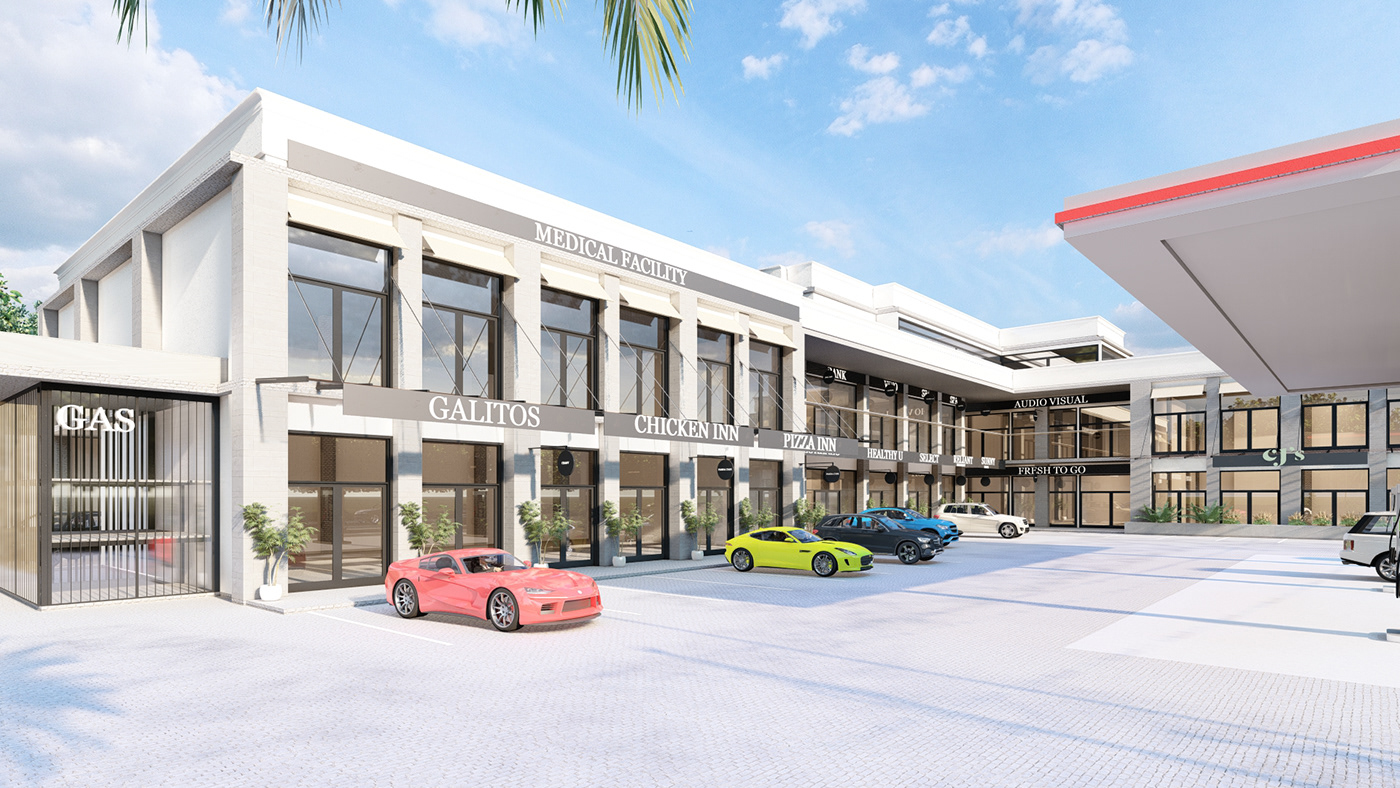
The Nairobi Metropolitan Area (NMA) has witnessed a notable shift in retail development patterns over the past decade, marked by the rapid rise of street malls, also known as strip malls or neighbourhood retail centres. This trend reflects changing consumer behaviour, urban expansion, and evolving investment strategies among developers seeking more efficient and demand-driven retail formats. Unlike traditional enclosed malls that are designed as large regional destinations, street malls are typically smaller, open-air retail developments where stores face directly onto parking areas or pedestrian walkways. Their design prioritizes convenience, accessibility, and quick service, making them particularly suitable for rapidly growing suburban and peri-urban locations within the metropolitan region.
One of the key drivers behind the growth of street malls in the NMA is the rapid expansion of satellite towns such as Ruiru, Ruaka, Kikuyu, Syokimau, Athi River, and Kitengela. These areas have experienced significant residential development over the past decade, fueled by population growth, improved infrastructure, and relatively affordable land compared to Nairobi’s traditional urban core. As residential populations in these areas continue to grow, demand has increased for conveniently located retail services that cater to daily consumer needs without requiring long travel distances to large destination malls.
Additionally, street malls offer a more cost-effective development model for investors. Compared to large enclosed malls, strip malls require lower construction costs, simpler designs, and reduced operational expenses. This allows developers to deliver projects faster while offering relatively affordable rental rates that attract a wider range of tenants, including supermarkets, pharmacies, restaurants, banks, and other essential service providers. As a result, many street malls in the NMA are anchored by convenience-focused tenants that generate consistent foot traffic from nearby residential catchments.
Consequently, the rise of street malls reflects a broader shift toward convenience-based retail in the Nairobi Metropolitan Area. While traditional malls continue to serve as major lifestyle and entertainment destinations, street malls are increasingly filling the gap for neighbourhood retail, positioning themselves as a critical component of the region’s evolving retail ecosystem.