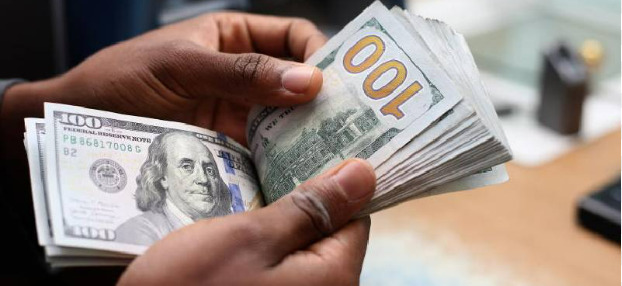
For a long time, the US dollar has been central in the world economy as the primary reserve currency, the default medium for international trade and the benchmark for commodities like oil and gold. However, factors such as geopolitical shifts, economic realignments and growing national debts have sparked debates around the dollar’s fate. What will happen if the dollar loses its spot and how should investors prepare for a post-dollar world?
Its dominance began after World War II with the Bretton Woods system and it was secured by the size of the US economy, military might and political stability. The Bretton Woods system was a post-war international monetary system established in 1944 by 44 countries such as the US, Canada, Australia. The goal of this system was to stabilize the international monetary order and foster economic cooperation particularly through the establishment of the World Bank and the International Monetary Fund (IMF). Fast-forward, cracks are forming in that foundation. Factors such as the increasing US debt and the distrust of its monetary policy are pushing countries to explore other options.
The top contenders for the top spot include The Euro which boasts of a large economy and regulated financial systems. However, it suffers from political fragmentation and inconsistent fiscal policies across member states. The Chinese Yuan, whose dominance is being pursued by China through its bilateral trade agreements. Capital controls and lack of transparency deter global trust. Regional blocs such as BRICS are in discussion about creating a common currency, while the gulf countries such as Qatar are considering to trade their oil in non-dollar denomination. These trends indicate a growing trend towards a diversified currency future.
In a post-dollar world, investors should diversify assets in other currencies such as the Euro which may help in hedging against a declining dollar. Hard metals such as Gold and Silver tend to perform well when fiat currencies weaken. Fiat currencies are ones that are not backed by tangible assets such as gold, but rather by trust in the government that issues it. Shifting focus towards emerging markets would prove beneficial since a weaker dollar benefits them by lowering their debt burden and boosting commodity exports. Investors would also shift focus to digital assets such as crypto assets like Bitcoin and Ethereum and Blockchain technology that support decentralized finance.


While its dominance is not guaranteed, the US dollar is unlikely to depreciate overnight. However, a gradual transition toward a decentralized currency system seems more probable. Investors should ensure that they are up to date with current affairs and rethink traditional strategies built on the assumption of the dollar supremacy since prior preparation will prevent drastic collapse of the market.