Sharp Daily
No Result
View All Result
Sunday, January 25, 2026
  • Home
  • News
    • Politics
  • Business
    • Banking
  • Investments
  • Technology
  • Startups
  • Real Estate
  • Features
  • Appointments
  • About Us
    • Meet The Team
Sharp Daily
  • Home
  • News
    • Politics
  • Business
    • Banking
  • Investments
  • Technology
  • Startups
  • Real Estate
  • Features
  • Appointments
  • About Us
    • Meet The Team
No Result
View All Result
Sharp Daily
No Result
View All Result
Home News

660 private hospitals intend to leave NHIF

Cynthia Mungai by Cynthia Mungai
August 31, 2022
in News
Reading Time: 2 mins read
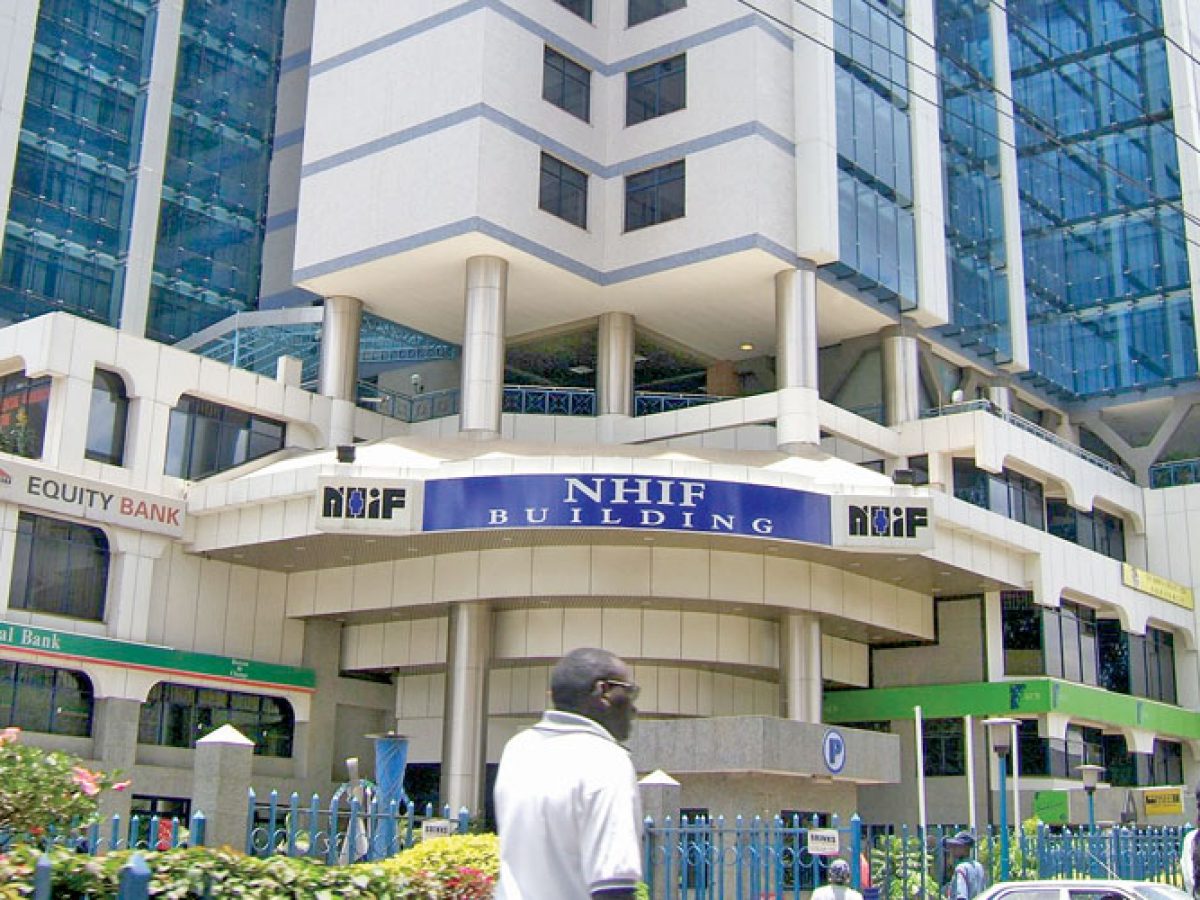
NHIF

NHIF [Photo/ Courtesy]

As a result of an imbalance in capitation rates and delays in contract signing, over 660 hospitals intend to stop providing outpatient treatments to NHIF members.

As opposed to the agreed-upon Sh1,400 per beneficiary each year, the facilities run by faith-based organizations and the Rural Private Hospitals Association (RUPHA) claim that NHIF branch offices are requesting invoices with Sh1,000 figure. The healthcare providers also point out that the insurance has not yet sent out physical contracts for the cycle 2022–2024, which could put them in danger of legal troubles.

All eligible members from the formal and unofficial sectors are registered with NHIF. The requirement to join applies to people working in the official sector. Membership is free and available to pensioners and persons in the unorganized sector.

Dr. Samuel Mwenda, the chairman of the Kenya Faith Based Health Services Consortium (KFBHSC) said that they are unsure of whether they should provide outpatient care for NHIF because they face the risk of receiving inadequate compensation.


RELATEDPOSTS

Rural banking expansion: how financial literacy drives economic inclusion in Kenya

November 20, 2025

SHIF fraud investigation Kenya: how 45 hospitals allegedly stole sh558 million.

November 14, 2025

The NHIF has been given until tomorrow to resolve the consortium’s and RUPHA’s concerns; else, they warn, that health services will suffer. According to the NHIF and healthcare providers’ soft copy contracts, the capitation payment to level four and five hospitals is Sh1,400, or around Sh350 per beneficiary every quarter.

However, NHIF branch managers are requesting that healthcare organizations share invoices at a rate of Sh250 for each beneficiary per quarter, which is equal to Sh1,000 for each beneficiary annually. Dr. Mwenda stated that the Sh1,400 would only be approved for people with chronic illnesses based on the informal information the facilities were receiving.

Capitation is based on the number of NHIF members assigned to a specific health facility and is paid in advance, just like it is for schools. RUPHA chairman Dr. Brian Lishenga said, “We are in the second month of the quarter and health facilities have not gotten their capitation, resulting in undue discomfort.” RUPHA is the representative of 367 healthcare facilities serving underserved communities in rural and urban areas, including Kangemi, Kayole in Nairobi, and Kisauni in Mombasa.


 

Previous Post

Chandaria Gets Back Seized Land

Next Post

KenGen, Toshiba Partner To Service Geothermal Plants

Cynthia Mungai

Cynthia Mungai

Related Posts

News

Public enterprises in the capital market

January 23, 2026
News

Why Bank Lending Rates Remain Sticky Despite CBK Policy Signals

January 23, 2026
News

The Rising Foreign Ownership of Kenyan Banks: Opportunity, Risk, or Market Maturity?

January 23, 2026
News

Fuel price decline as a hidden stimulus

January 23, 2026
News

Beyond Representation: Are Kenya’s Foreign Missions Engines of Economic Growth?

January 23, 2026
News

Beyond Compliance: Why Money Laundering Is a Development Problem

January 23, 2026

LATEST STORIES

Why the Two-tiered Structure in NSSF is Important

January 23, 2026

Public enterprises in the capital market

January 23, 2026

Why Bank Lending Rates Remain Sticky Despite CBK Policy Signals

January 23, 2026

The Rising Foreign Ownership of Kenyan Banks: Opportunity, Risk, or Market Maturity?

January 23, 2026

Fuel price decline as a hidden stimulus

January 23, 2026

Beyond Representation: Are Kenya’s Foreign Missions Engines of Economic Growth?

January 23, 2026

Beyond Compliance: Why Money Laundering Is a Development Problem

January 23, 2026

LAPSSET: Delayed Vision or Long-Term Bet on Regional Integration?

January 23, 2026
  • About Us
  • Meet The Team
  • Careers
  • Privacy Policy
  • Terms and Conditions
Email us: editor@thesharpdaily.com

Sharp Daily © 2024

No Result
View All Result
  • Home
  • News
    • Politics
  • Business
    • Banking
  • Investments
  • Technology
  • Startups
  • Real Estate
  • Features
  • Appointments
  • About Us
    • Meet The Team

Sharp Daily © 2024