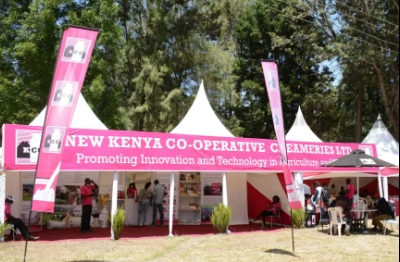
The Kenyan government has announced plans to lease New Kenya Cooperative Creameries (New KCC) to private operators, marking a significant shift in the management approach of one of the country’s most strategic state-backed agribusiness enterprises. The decision comes after the company continued to face financial difficulties despite receiving approximately Sh6 billion in government support over the past three years.
New KCC plays a central role in Kenya’s dairy value chain, acting as a key buyer of milk from smallholder farmers and a major processor supplying both domestic and regional markets. However, persistent operational inefficiencies, rising costs, and cash flow constraints have weighed heavily on the company’s financial performance. The planned leasing arrangement reflects growing recognition that public funding alone may not be sufficient to restore long-term sustainability.
Leasing the firm to private operators is expected to introduce commercial discipline, operational efficiency, and improved capital management. Private sector participation often brings stronger governance structures, performance-driven management, and access to additional investment, all of which are critical in competitive consumer goods markets such as dairy processing. For New KCC, this could translate into better utilization of assets, improved product competitiveness, and more predictable payments to farmers.
The move also aligns with broader government efforts to reduce fiscal pressure while preserving essential services. Continued state bailouts can strain public finances, particularly at a time when competing priorities such as infrastructure, healthcare, and social protection demand significant resources. Leasing, rather than outright privatization, allows the government to retain ownership while transferring operational responsibility to entities better positioned to manage commercial risks.


For stakeholders across the dairy sector, the announcement introduces both expectations and uncertainty. Farmers will be keenly watching how the transition affects milk prices, payment timelines, and collection networks. Employees and suppliers will also be focused on continuity and contractual stability. From an investor perspective, the decision underscores how state-linked enterprises are increasingly subject to market realities and performance accountability.
The New KCC case highlights a broader lesson about financial resilience, both at an institutional and individual level. Businesses and households alike benefit from strategies that balance growth ambitions with liquidity and risk management. In an environment where policy shifts, restructuring, and market volatility are common, maintaining financial flexibility becomes essential.
This is particularly relevant for individuals seeking to grow their savings without locking away funds or exposing themselves to excessive risk. Money market funds offer a structured way to earn steady returns while preserving access to capital, making them suitable for navigating periods of economic adjustment.
As Kenya continues to explore private sector involvement in state enterprises, the outcome of the New KCC leasing process will serve as an important reference point for future reforms aimed at improving efficiency, reducing fiscal strain, and sustaining key economic sectors.
As financial markets respond to shifting economic conditions and policy adjustments, maintaining a flexible and stable savings strategy is essential. Consider growing your savings with the Cytonn Money Market Fund (CMMF) a transparent, liquid investment option designed to help you earn steady returns while keeping your funds accessible.
📞 Call +254 (0) 709 101 200 or 📧 email sales@cytonn.com to learn more.