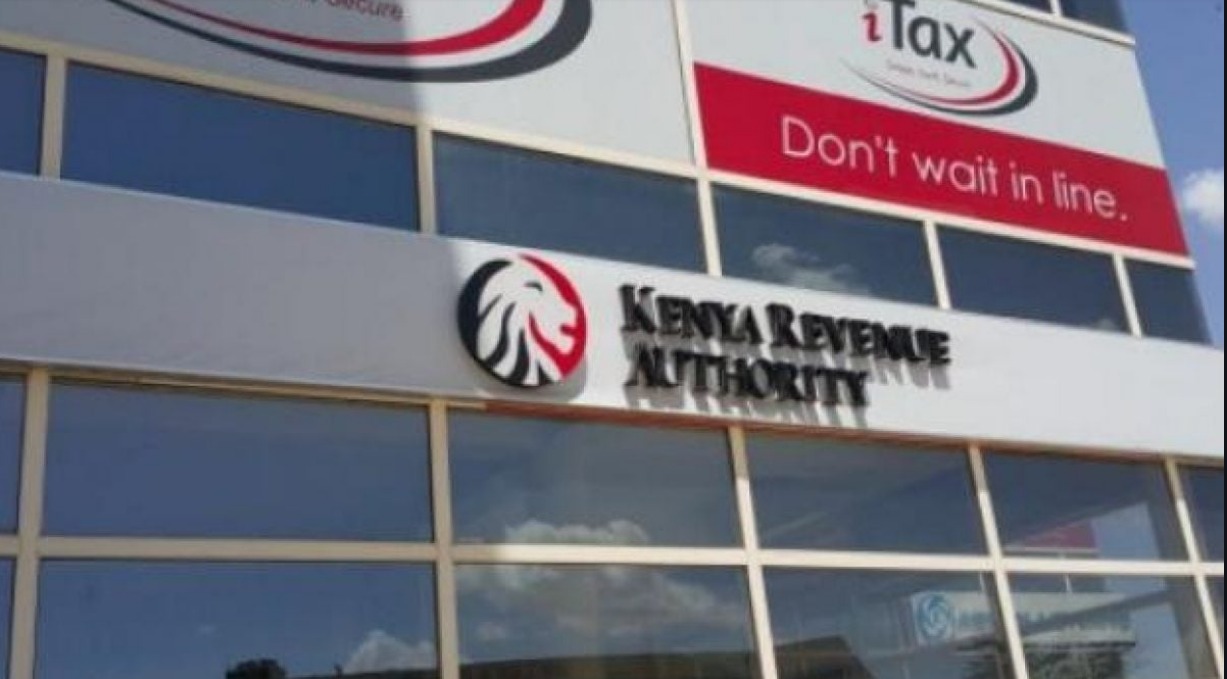
The proposal by Kenya Revenue Authority to reduce the Value Added Tax (VAT) registration threshold from Sh5 million to zero marks a significant shift in Kenya’s tax framework, with far-reaching implications for small businesses, pricing and compliance obligations. If implemented, the change would require all businesses, regardless of size or annual turnover, to register as VAT agents and charge 16 percent VAT on applicable goods and services.
Currently, only businesses with annual taxable supplies exceeding Sh5 million are required to register for VAT. Lowering this threshold to zero would expand the tax net to include micro and small enterprises that have historically operated outside the VAT system. This includes a wide range of traders such as small retail shops, wines and spirits outlets, and informal businesses dealing in everyday consumer products.
Under the proposed system, businesses selling items such as mobile phones, soft drinks, bottled water, cosmetics, snacks, cooking gas and petroleum products would be required to charge VAT at 16 percent and remit the collected tax to the authority on a monthly basis. Service providers, including consultants, would also be obligated to apply VAT on their fees, introducing additional administrative requirements and cost considerations.
The immediate economic implication of the proposal is a likely increase in consumer prices. Many small businesses currently operate without incorporating VAT into their pricing structures due to their exemption status. The introduction of a mandatory 16 percent tax could therefore be passed on to consumers, raising the cost of essential goods and services, particularly in low-income segments where informal trade dominates.

Beyond pricing, the proposal introduces new compliance demands for small enterprises. VAT registration entails record-keeping, invoicing requirements and regular tax filings, which may increase operational complexity for businesses with limited administrative capacity. For micro-enterprises, the cost of compliance could be disproportionately high relative to their revenue base, potentially affecting profitability and sustainability.
From a fiscal perspective, the move reflects efforts by the government to broaden the tax base amid constrained revenue growth and rising expenditure pressures. Expanding VAT coverage could enhance revenue collection efficiency by capturing transactions that were previously outside the formal tax system. It also aligns with broader strategies to formalise the informal sector and improve tax compliance through digital systems and data integration.
However, the proposal raises policy considerations around balancing revenue mobilisation with economic inclusivity. Small businesses play a critical role in employment creation and income generation, and additional tax burdens may slow their growth or push some operators further into informality. The effectiveness of the measure will depend on how it is implemented, including the availability of support mechanisms such as simplified tax regimes or compliance assistance for small traders.
In the broader context, the proposed VAT threshold adjustment highlights the ongoing tension between expanding tax revenues and maintaining affordability in the economy. As policymakers evaluate the proposal, its impact on consumer prices, business operations and overall economic activity will be central to determining its long-term viability.