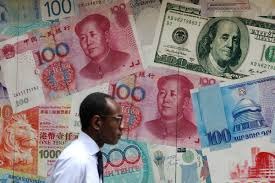
In a landmark move that reflects evolving global finance, Kenya has begun converting portions of its Chinese debt from U.S. dollars into Chinese yuan (renminbi), a shift with immediate fiscal impact and wider implications for how African economies manage external obligations.
In October 2025, Kenya completed the conversion of three dollar-denominated loans from the Export-Import Bank of China into yuan, a restructuring expected to reduce annual debt-servicing costs by around KES 27.8 bn (USD 215.0 mn). The loans were originally contracted for the Standard Gauge Railway (SGR), one of the country’s flagship infrastructure projects.


The economics of this decision are straightforward, yuan denominated interest rates have been lower than their dollar counterparts, easing the cost burden on Kenya’s public finances and reducing exposure to U.S. interest rate cycles and dollar volatility. This helps preserve foreign exchange reserves by lowering the demand for hard currency to service external debt.
However, the shift is not merely about cost savings. It also reflects broader changes in China’s lending strategy in Africa. Recent data suggest that China is issuing fewer traditional dollar-based loans and increasingly favoring yuan-denominated financing for infrastructure and trade links, part of a cautious recalibration of its overseas credit strategy.
Kenya’s decision has not gone unnoticed by multilateral institutions. The International Monetary Fund (IMF) has cautioned that while currency conversion can reduce near-term costs, it also introduces exposure to renminbi fluctuations, which may pose new currency risks if not matched with sufficient yuan revenue streams or hedge strategies.
Beyond Kenya, other African countries are exploring similar arrangements. Ethiopia has entered discussions with Chinese authorities to convert part of its approximately KES 695.0 bn (USD 5.38 bn) debt into yuan, aiming to lower service costs and strengthen trade and financial ties with Beijing. These developments suggest a pattern where currency diversification becomes part of proactive public debt management, particularly in countries with significant Chinese borrowing and stressed dollar reserves.
The shift has economic and structural implications. It can reduce reliance on dollar financing, helping buffer countries against swings in the U.S. Federal Reserve’s policy and global dollar strength. It may also support closer integration with China’s trade and investment ecosystem. However, increased use of yuan liabilities requires careful reserve management and risk assessment, especially given the yuan’s more restricted convertibility compared to the dollar.
In the medium term, Kenya’s move and similar discussions in other African capitals could signal a gradual diversification of external debt portfolios. Whether this becomes a broader trend will depend on the evolving global currency landscape, shifts in China’s overseas financing strategy, and each country’s capacity to manage multi-currency exposures without undermining debt sustainability.
Start your investment journey today with the Cytonn Money Market Fund. Call + 254 (0)709101200 or email sales@cytonn.com