Sharp Daily
No Result
View All Result
Sunday, June 14, 2026
  • Home
  • News
    • Politics
  • Business
    • Banking
  • Investments
  • Technology
  • Startups
  • Real Estate
  • Features
  • Appointments
  • About Us
    • Meet The Team
Sharp Daily
  • Home
  • News
    • Politics
  • Business
    • Banking
  • Investments
  • Technology
  • Startups
  • Real Estate
  • Features
  • Appointments
  • About Us
    • Meet The Team
No Result
View All Result
Sharp Daily
No Result
View All Result
Home Opinion

Kenya’s role in a changing global supply chain landscape

Hezron Mwangi by Hezron Mwangi
January 20, 2025
in Opinion
Reading Time: 2 mins read

In the evolving geopolitics of supply chains, Kenya finds itself at a pivotal juncture, poised to leverage its strategic location and growing economic significance in East Africa. The global shift towards diversification, away from over-reliance on single manufacturing hubs like China, presents a unique opportunity for Kenya to establish itself as a vital link in the “China plus many” supply chain model.

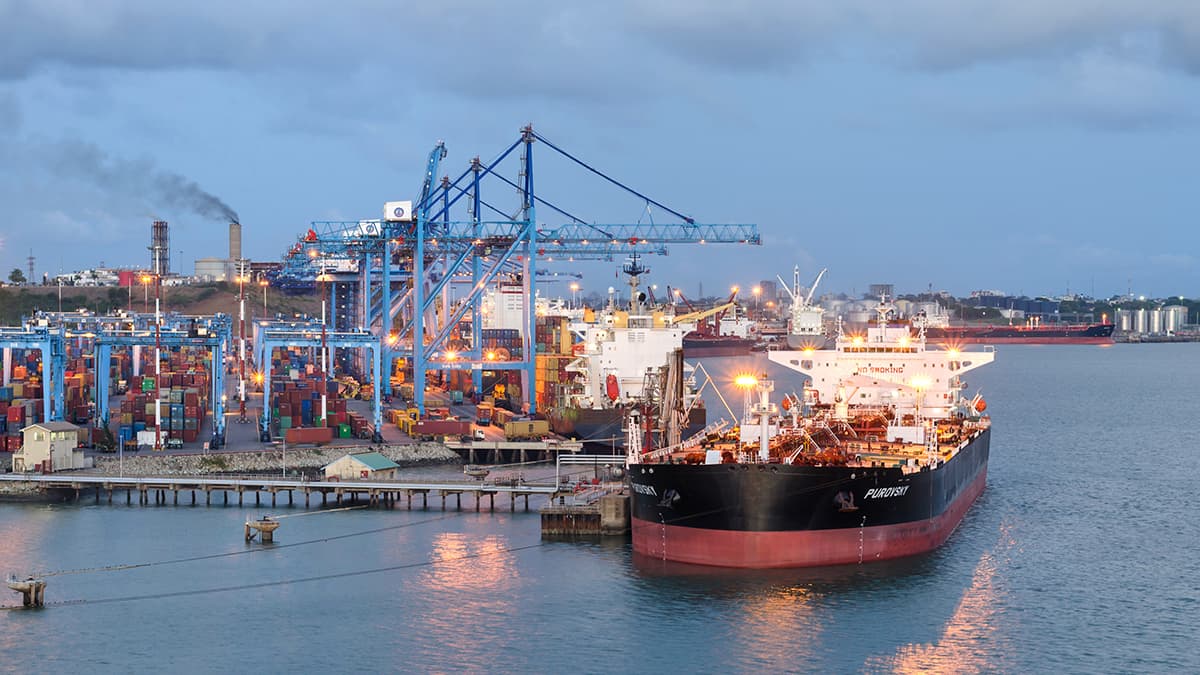
Kenya’s advantages lie in its strategic position along major trade routes, particularly through the port of Mombasa, one of the busiest and most efficient ports in Africa. This gives the country a competitive edge as a gateway to the region, facilitating trade with landlocked neighbors like Uganda, Rwanda, and South Sudan. Additionally, the government’s commitment to infrastructure development, exemplified by the Standard Gauge Railway (SGR) project, has enhanced logistics networks, making it easier for businesses to transport goods.

Kenya’s young and dynamic workforce is another critical asset. With approximately 75.0% of its population under the age of 35, the country offers a labor pool that is not only abundant but also increasingly skilled, thanks to government initiatives focusing on technical and vocational training. However, challenges remain, particularly in productivity and the need to further align education with industry needs.

Climate resilience is emerging as a crucial factor for countries vying for a share in global manufacturing. Kenya’s significant investments in renewable energy, particularly geothermal and wind power, position it as a leader in sustainable development. Yet, the country must also address vulnerabilities such as drought and water scarcity, which can disrupt agriculture-based supply chains and industrial processes.


RELATEDPOSTS

Kenya eyes revenue from Government data with plans for a national digital marketplace

June 8, 2026

Kenyan freelancers and small businesses locked out of earnings as PayPal enforces compliance crackdown

June 3, 2026

For Kenya to capitalize on the global supply chain reshuffling, it must navigate its regulatory landscape carefully. Investors often cite bureaucratic hurdles and inconsistent enforcement of laws as deterrents. Strengthening institutions and streamlining processes will be essential to attract and retain foreign direct investment.

As global firms seek to de-risk and diversify, Kenya has the potential to emerge as a manufacturing and logistics hub for Africa. By addressing its challenges and building on its strengths, the country can play a central role in shaping the future of supply chains in a multipolar world.


Previous Post

Kenya bolsters Haiti security mission with additional deployment

Next Post

Trump pauses foreign aid to re-evaluate policy alignment and effectiveness

Hezron Mwangi

Hezron Mwangi

Related Posts

Analysis

Kenya ends self-reporting in gambling sector

June 5, 2026
Analysis

HF group rebrands to HFCB in strategic transformation move

May 28, 2026
Economy

How global supply chains feed Kenya’s fake drug market

May 7, 2026
Analysis

Taifa gas eyes kenyan market with major LPG investment

May 6, 2026
Analysis

Safaricom maintains growth momentum as digital services drive earnings

May 5, 2026
Analysis

Kenya’s infrastructure push leans on private investment

April 30, 2026

LATEST STORIES

June 12, 2026

Where Fintech Companies Actually Make Their Real Profits: Beyond Payments and Transaction Fees

June 12, 2026

Why Revenue Growth in Fintech Can Be Misleading: The Hidden Economics Behind Digital Payments

June 12, 2026

Finance bill 2026: key tax reforms and economic impact in kenya

June 12, 2026

INVISIBLE TRANSACTIONS: THE FUTURE OF PAYMENTS

June 12, 2026

Kenya’s Growing Reliance on Domestic Borrowing: Opportunity or Crowding-Out Risk?

June 12, 2026

Family Bank’s NSE Listing: A Long-Overdue Milestone for Kenya’s Capital Markets

June 12, 2026

Kenya’s Small Banks Given Until 2032 to Meet Kshs 10 Billion Core Capital Requirement

June 12, 2026
  • About Us
  • Meet The Team
  • Careers
  • Privacy Policy
  • Terms and Conditions
Email us: editor@thesharpdaily.com

Sharp Daily © 2024

No Result
View All Result
  • Home
  • News
    • Politics
  • Business
    • Banking
  • Investments
  • Technology
  • Startups
  • Real Estate
  • Features
  • Appointments
  • About Us
    • Meet The Team

Sharp Daily © 2024