Kenya has recently been ranked fourth in Africa for organized crime and money laundering, with its criminality score rising to 7.18 out of 10 on the 2025 ENACT Organized Crime Index. This places the country behind only the Democratic Republic of Congo, South Africa, and Nigeria, and first in East Africa for the scale of these illicit markets.
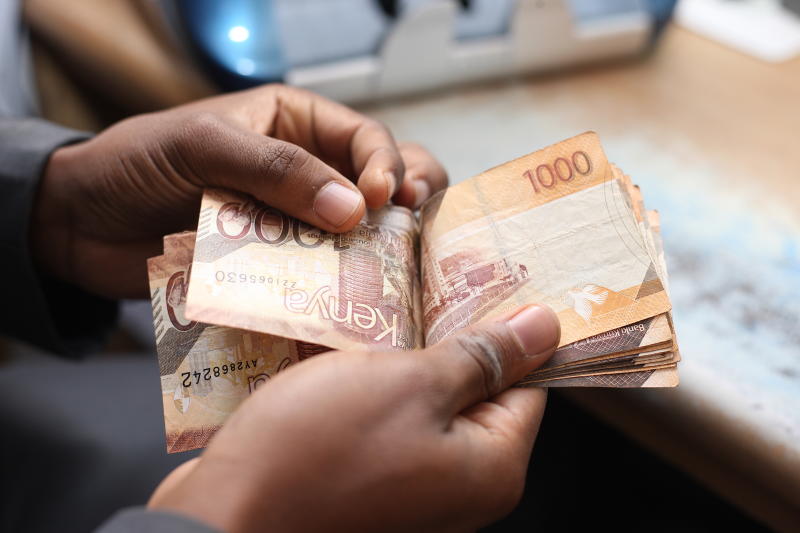
The ranking reflects a growing sophistication in Kenya’s informal and cross-border criminal economy. “Wash wash” schemes, which disguise illicit proceeds through financial fraud, and drug trafficking, particularly heroin distribution along East African corridors, are among the most prominent criminal markets identified. Financial crimes and cyber-dependent offences both scored 8 out of 10 in the index, highlighting how deeply embedded these activities have become within the country’s economic structures.
Several factors facilitate this expansion. Kenya’s strategic geographic position and its advanced transport and logistics infrastructure make it a regional hub for legitimate commerce as well as illicit flows. The Port of Mombasa, major highway corridors linking Central and East Africa, and high trade volumes create natural channels through which illegal goods and funds can move with relative ease. Heroin shipments destined for international markets frequently pass through these routes, exploiting the same systems that support lawful trade. Technology has also played a dual role. While mobile money platforms and digital banking have strengthened financial inclusion and transaction efficiency, they have simultaneously introduced new vulnerabilities. Organized networks increasingly exploit digital systems to layer and transfer funds quickly, complicating detection efforts. The ENACT index reflects this reality through high scores for both financial crime and cybercrime activity.
Institutional limitations further compound the problem. Although Kenya has anti-money-laundering laws and regulatory frameworks in place, enforcement capacity remains uneven. Gaps in monitoring, investigative resources, and corruption controls allow criminal proceeds to filter into the formal economy, blurring the line between legitimate and illicit capital. The economic implications are significant. Money laundering distorts capital allocation, weakens financial transparency, and raises the perceived risk of doing business in the country. For investors, higher systemic risk translates into higher required returns and reduced long-term confidence. Drug trafficking deepens these costs by straining public services, undermining workforce productivity, and redirecting resources away from productive investment.


When illicit markets expand, they do not operate in isolation. They quietly reshape financial systems, investor behavior, and the credibility of economic institutions. Addressing this challenge therefore becomes not only a security priority, but a fundamental economic one.