Sharp Daily
No Result
View All Result
Sunday, December 14, 2025
  • Home
  • News
    • Politics
  • Business
    • Banking
  • Investments
  • Technology
  • Startups
  • Real Estate
  • Features
  • Appointments
  • About Us
    • Meet The Team
Sharp Daily
  • Home
  • News
    • Politics
  • Business
    • Banking
  • Investments
  • Technology
  • Startups
  • Real Estate
  • Features
  • Appointments
  • About Us
    • Meet The Team
No Result
View All Result
Sharp Daily
No Result
View All Result
Home News

IMF and World Bank extend over KES 270 billion in loans to support Kenya’s economic reforms

Denis Kipruto by Denis Kipruto
April 5, 2024
in News
Reading Time: 2 mins read

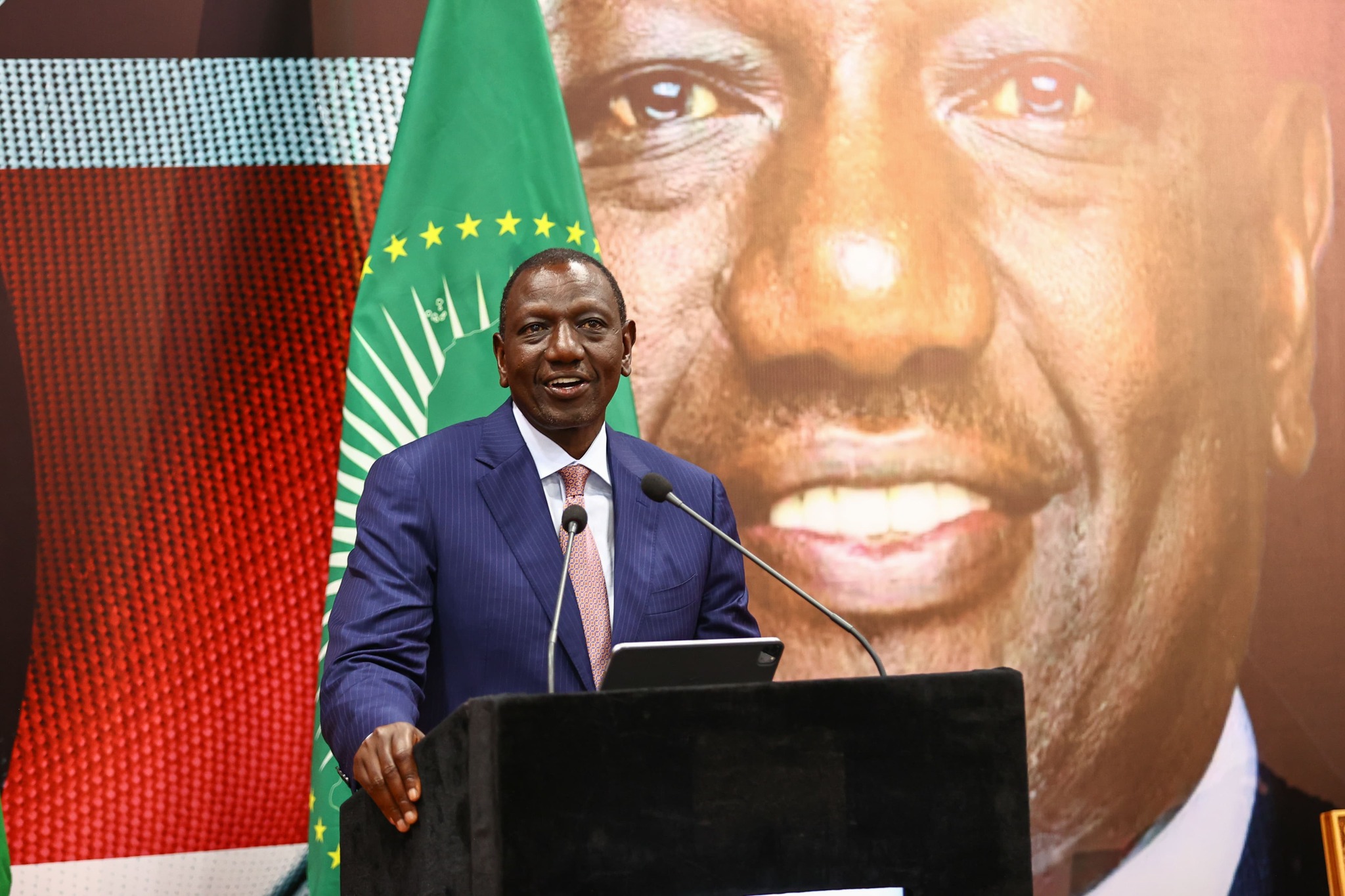
Kenya is set to receive a financial boost from international lenders as the World Bank prepares to approve USD 1.2 billion (KES 156.0 billion) in budget financing, slightly below the anticipated USD 1.5 billion (KES 195.0 billion), while the International Monetary Fund (IMF) plans to disburse an additional USD 937 million (KES 121.8 billion) after reviewing the nation’s performance under its 2021 loan program.

The World Bank’s funding aims to assist Kenya in reducing its reliance on commercial debt, with the funds earmarked to finance the nation’s budget for the fiscal year ending June 30.

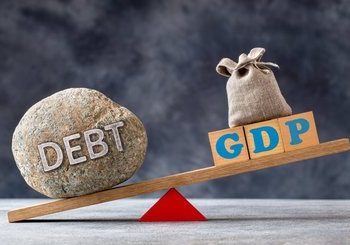
This financing comes at a critical time when Kenya faces challenges due to higher interest rates, tightening credit markets, and vulnerabilities such as lower export competitiveness and high levels of public debt.

Despite the slightly lower amount from the World Bank, the funds will provide essential support for Kenya’s fiscal management, particularly as revenue collection lags behind targets. In addition to the World Bank’s financing, Kenya anticipates receiving USD 937 million from the IMF, following a review of the nation’s performance under its loan program.
RELATEDPOSTS

Loan apps in Kenya: How they work and what makes them stand out

December 10, 2025
World Bank says Kenya Is shielding state firms from market realities

World Bank warns Kenya against shielding state firms from market competition

December 9, 2025

The IMF’s disbursement, along with funds from the World Bank, will bolster Kenya’s foreign reserves and provide crucial budget financing support.

These injections of capital come as Kenya faces financial obligations, including the repayment of a Eurobond, with approximately USD 600 million (KES 78.4 billion) remaining to be paid at maturity in June. The nation managed to avoid defaulting on its Eurobond after rolling over most of the amount, alleviating concerns among investors and leading to a drop in the bond’s yield.

However, fiscal risks persist, with revenue falling below targets and the nation at high risk of debt distress. The IMF-supported program aims to address these challenges through a fiscal consolidation plan targeting a reduced budget deficit and measures to enhance resilience against climate change.

While the additional financing will bolster Kenya’s foreign reserves and provide much-needed budget support, concerns remain about the impact on taxpayers. Kenya’s debt distress remains high, and reducing debt vulnerabilities is a central objective of the IMF-supported program. With the nation facing a Eurobond maturity and arrears to address, the funds will help alleviate immediate financial pressures but may increase the burden on taxpayers in the long run.


Previous Post

Understanding the Privatization Act 2023

Next Post

KenGen taps GreenFire Energy’s expertise to maximize geothermal power production in Olkaria

Denis Kipruto

Denis Kipruto

Related Posts

News

Kenya’s Shift to Risk-Based Lending: Why Banks Are Finally Embracing the Model They Once Resisted

December 13, 2025
News

Why Kenya Needs Clear Zoning: Protecting Agricultural Land from Residential Encroachment

December 13, 2025
News

How Poor Urban Planning Is Holding Back Business Growth in Kenya

December 13, 2025
News

Can Micro-Pension Schemes Solve Kenya’s Informal Sector Savings Crisis?

December 13, 2025
News

How Small Bank Fees Become Big Money: The Hidden Bill Behind Everyday Transactions

December 13, 2025
News

Can Kenya Become the Singapore of Africa? The Reforms Needed to Unlock a High-Growth

December 13, 2025

LATEST STORIES

Kenya’s Shift to Risk-Based Lending: Why Banks Are Finally Embracing the Model They Once Resisted

December 13, 2025

Why Kenya Needs Clear Zoning: Protecting Agricultural Land from Residential Encroachment

December 13, 2025

How Poor Urban Planning Is Holding Back Business Growth in Kenya

December 13, 2025

Can Micro-Pension Schemes Solve Kenya’s Informal Sector Savings Crisis?

December 13, 2025

How Small Bank Fees Become Big Money: The Hidden Bill Behind Everyday Transactions

December 13, 2025

Can Kenya Become the Singapore of Africa? The Reforms Needed to Unlock a High-Growth

December 13, 2025

Is Government-Led Affordable Housing Good for Kenya’s Future?

December 13, 2025

Behavioral finance: Emotions that move the market

December 12, 2025
  • About Us
  • Meet The Team
  • Careers
  • Privacy Policy
  • Terms and Conditions
Email us: editor@thesharpdaily.com

Sharp Daily © 2024

No Result
View All Result
  • Home
  • News
    • Politics
  • Business
    • Banking
  • Investments
  • Technology
  • Startups
  • Real Estate
  • Features
  • Appointments
  • About Us
    • Meet The Team

Sharp Daily © 2024