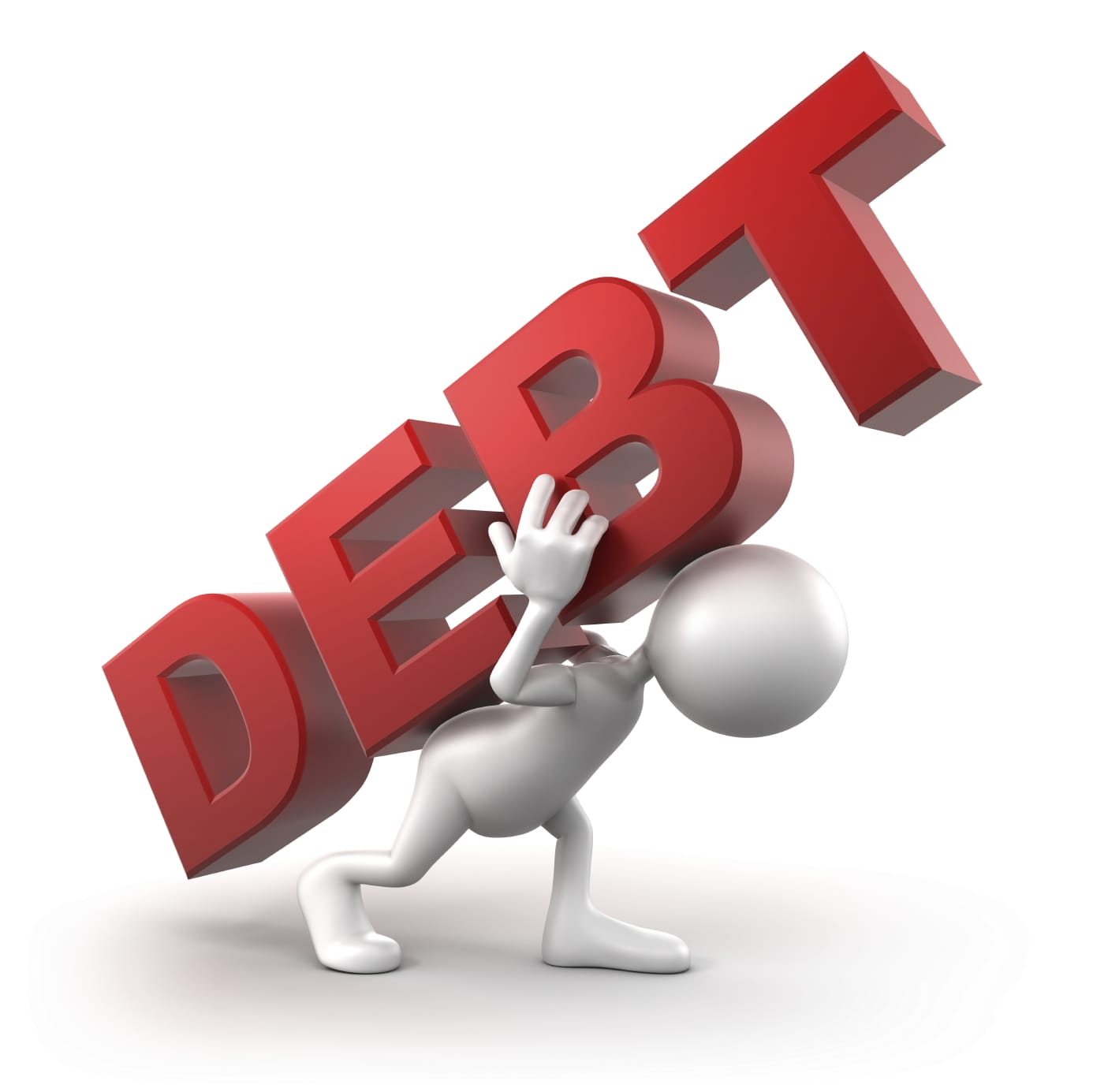
Kenya’s economic development over the past decade has been shaped largely by infrastructure investments and the rising public debt used to support them. As of mid-2025, the country’s public debt is estimated at KES11.8 tn, or 67.8% of GDP, with domestic borrowing slightly exceeding external borrowing. This marks a significant increase from 2015, when public debt stood at KES 2.8 tn. While this borrowing has enabled the government to undertake major projects, it has also introduced trade-offs that affect households, businesses, and the broader economy.
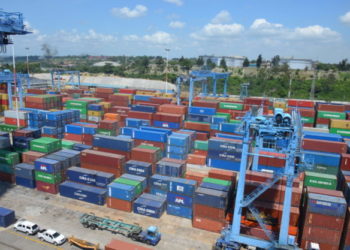
Debt-funded investments have delivered tangible improvements. Expanded road networks, bypasses, and rail systems have improved mobility and reduced transportation costs. The Standard Gauge Railway has shortened cargo transit time between Mombasa and Nairobi to around 12 hours, helping traders and companies move goods more efficiently. Rural electrification has increased national electricity access from below 30.0% in the early 2010s to more than 75.0% by 2024, enabling extended business operations and greater productivity. Enhanced digital capacity, including strengthened mobile networks, broadband, and mobile-money infrastructure, has opened new income pathways, especially for young people engaged in e-commerce and digital work.
At the same time, rising public debt has implications for the everyday lives of citizens. A growing share of government revenue is allocated to debt servicing, surpassing KES 1.7 trillion in the 2024/25 fiscal year. This limits resources available for healthcare, education, and social safety programs. Higher domestic borrowing can elevate interest rates, making it more expensive for individuals and businesses to access credit. Households may also experience increased living costs if taxes rise or subsidies are reduced to meet repayment obligations. When combined with external shocks or poor fiscal discipline, high debt levels can heighten economic vulnerabilities and affect job prospects and access to essential services.
Kenya’s debt-supported development has strengthened infrastructure, expanded opportunities, and improved economic prospects in many regions. These gains, however, must be weighed against the pressures created by servicing a rapidly growing debt stock. The overall impact on ordinary Kenyans will depend on prudent fiscal management, ensuring that public investments generate long-term value, and balancing economic expansion with sustainability. To stay informed and make sound economic decisions, consider following regular fiscal updates, monitoring debt trends, and engaging with credible financial resources.