

Sharp Daily
No Result
View All Result
Sunday, January 11, 2026
  • Home
  • News
    • Politics
  • Business
    • Banking
  • Investments
  • Technology
  • Startups
  • Real Estate
  • Features
  • Appointments
  • About Us
    • Meet The Team
Sharp Daily
  • Home
  • News
    • Politics
  • Business
    • Banking
  • Investments
  • Technology
  • Startups
  • Real Estate
  • Features
  • Appointments
  • About Us
    • Meet The Team
No Result
View All Result
Sharp Daily
No Result
View All Result
Home News

Kenya’s KSh 5 Trillion Infrastructure Fund

Susan by Susan
December 19, 2025
in News
Reading Time: 2 mins read

RELATEDPOSTS

How poor waste management is undermining Nairobi

January 9, 2026

Self-Insurance by Another Name: The Rise of Investment Based Risk Management

January 9, 2026

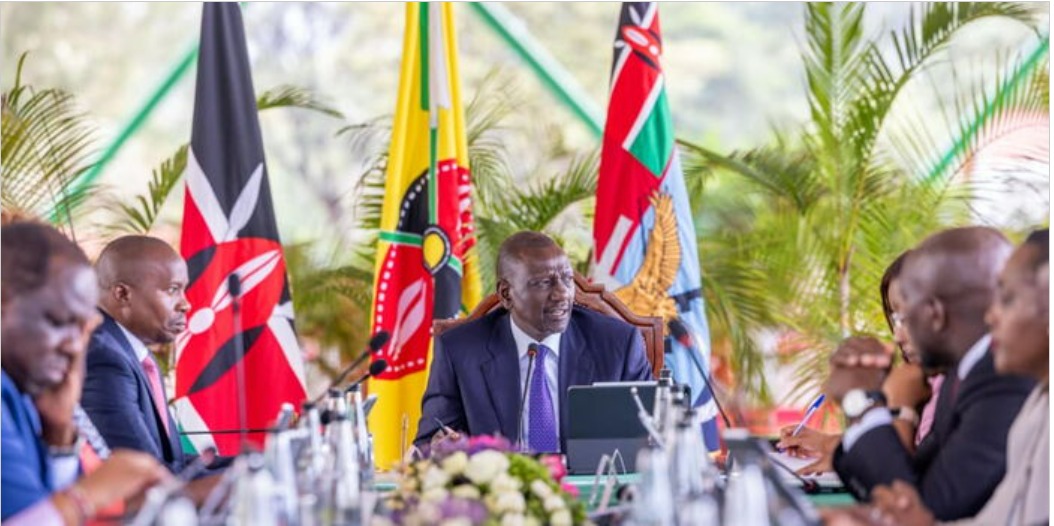
Kenya has approved the creation of a KES 5.0 tn National Infrastructure Fund, signaling a major shift in how the country plans to finance its long-term development agenda. The Fund is designed to mobilize both public and private capital and channel it into large-scale infrastructure projects that are central to economic growth, productivity and competitiveness. Structured as a limited liability company, the Fund will pool government resources alongside proceeds from privatization, then use this capital as a catalyst to attract private investment. The government estimates that every shilling invested through the Fund could crowd in up to KSh 10 from pension funds, private equity firms, development finance institutions and international sovereign partners. This leverage-driven approach aims to reduce reliance on traditional borrowing while accelerating the delivery of critical projects.

The scope of the Fund is expansive. Planned investments include the construction of 50 mega dams, 200 mini-dams and over 1,000 micro-dams to expand irrigated agriculture and strengthen food security. Transport infrastructure is another priority, with plans to dual 2,500 km of highways and tarmac 28,000 km of roads. In addition, the Fund will support the extension of the Standard Gauge Railway to Malaba and finance the generation of 10,000 megawatts of electricity over the next seven years. Governance has been highlighted as central to the Fund’s credibility. Oversight will be provided by a competitively appointed board and chief executive, supported by a framework intended to enhance transparency, accountability and investor confidence. The World Bank has endorsed the initiative, citing its potential to expand roads, railways, irrigation systems and energy capacity while supporting broader economic development.

The Fund comes at a time of mounting fiscal pressure. Kenya’s public debt reached KES 11.81tn by September 2025. Meanwhile, development expenditure in the 2025/26 budget stands at KES 693.2 bn, highlighting a widening gap between infrastructure needs and available public funding. Past reliance on public-private partnerships and infrastructure bonds has delivered mixed results, often slowed by transparency concerns and public resistance. The success of the National Infrastructure Fund will therefore depend on disciplined execution, credible governance and sustained public trust. If well managed, it could redefine Kenya’s development financing model.


Previous Post

Kenya launches National Plastics Action Partnership (NPAP)

Next Post

Is Kenya Ready for Its Own Development Finance Institution?

Susan

Susan

Related Posts

News

The Economics of Working Abroad: Where Opportunity Meets Trade-Offs

January 9, 2026
News

The Question of Country Risk: Why Perception Matters as Much as Reality

January 9, 2026
News

How Early Campaign Cycles Shape Business Confidence and Investment Timing

January 9, 2026
News

Financial literacy as an investment

January 9, 2026
News

Kenya’s Trade Deficit with China Widens to Kes 475.6 Bn

January 9, 2026
News

When borrowing masks structural weaknesses

January 9, 2026

LATEST STORIES

How poor waste management is undermining Nairobi

January 9, 2026

Self-Insurance by Another Name: The Rise of Investment Based Risk Management

January 9, 2026

The Economics of Working Abroad: Where Opportunity Meets Trade-Offs

January 9, 2026

The Question of Country Risk: Why Perception Matters as Much as Reality

January 9, 2026

How Early Campaign Cycles Shape Business Confidence and Investment Timing

January 9, 2026

From Shadow to Structure: What CBK’s Licensing of Digital Lenders Means for Kenya’s Credit Market

January 9, 2026

Financial literacy as an investment

January 9, 2026

How Equities and Fixed Income Markets Will Shape Pension Scheme Performance in Kenya in 2025

January 9, 2026
  • About Us
  • Meet The Team
  • Careers
  • Privacy Policy
  • Terms and Conditions
Email us: editor@thesharpdaily.com

Sharp Daily © 2024

No Result
View All Result
  • Home
  • News
    • Politics
  • Business
    • Banking
  • Investments
  • Technology
  • Startups
  • Real Estate
  • Features
  • Appointments
  • About Us
    • Meet The Team

Sharp Daily © 2024