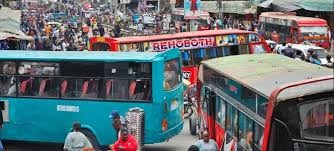
Matatus are not just a component of Kenya’s transport system, they are a core part of the country’s economic machinery. On any normal day, they determine how labor reaches workplaces, how goods move across cities, and how informal trade survives. The nationwide matatu strike that occurred yesterday made this dependence visible by abruptly interrupting routines that the economy quietly relies on.
Under normal conditions, matatus enable economic participation. They connect low- and middle-income workers to employment centres, allow students to access education, and sustain consumer flows into markets and commercial districts. Their affordability and route flexibility make them indispensable in an economy where formal mass transit remains limited. As a result, matatus function less as a convenience and more as economic infrastructure.
The strike exposed what happens when this infrastructure fails. Across the country, workers were unable to report to work on time or at all. Daily-wage earners, informal workers, and small traders experienced immediate income losses, as missed workdays translated directly into foregone earnings. For households with little financial slack, the disruption was not merely inconvenient but economically destabilising.
Businesses also absorbed tangible losses. Retail outlets, construction sites, and service firms operated below capacity due to staff shortages and reduced customer traffic. Supply chains were disrupted as deliveries were delayed or cancelled altogether. In urban centres, reduced mobility sharply lowered economic activity, slowing transactions and compressing daily output.


The informal economy, which is tightly interwoven with matatu routes and termini, was particularly affected. Hawkers, market vendors, food sellers, and micro-service providers depend on passenger volumes rather than long-term contracts. The sudden disappearance of commuter traffic translated into an immediate collapse in demand, highlighting how transport shocks disproportionately affect informal livelihoods.
The strike also directly harmed those within the matatu sector itself. Drivers, conductors, and ancillary service providers lost a full day’s income, while fixed financial obligations such as vehicle loans, Sacco contributions, and household expenses remained unchanged. This underscores the paradox of the strike: while intended as a bargaining tool, it simultaneously exposes the economic precarity within the sector.
What the events of yesterday demonstrated is that matatu disruptions are not hypothetical risks but real economic shocks. The strike revealed the extent to which Kenya’s productivity, employment, and income generation are anchored to a largely informal transport system. Any policy response that overlooks this reality risks treating matatus as a problem to manage rather than an economic asset to stabilize. In effect, the nationwide strike did not merely halt transport for a day, it temporarily slowed the economy itself. (Start your investment journey today with the cytonn MMF, call+2540709101200 or email sales@cytonn.com)