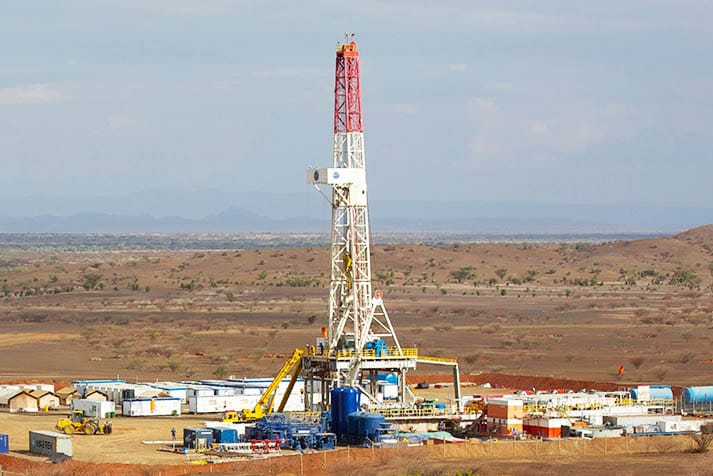
Kenya is taking decisive steps to unlock its oil potential by offering Gulf Energy a comprehensive package of tax exemptions and incentives aimed at fast-tracking the development of the Turkana oil fields. The move is part of a broader strategy to transform the South Lokichar Basin into a productive oil hub, ensuring that years of exploration finally translate into tangible production.
The incentives cover a wide range of fiscal measures such as exemptions on value-added taxes for goods and services used in petroleum operations, waivers on import levies for essential equipment, and relief from certain local taxes that usually apply to business operations. Additionally, the company can recover a larger portion of oil production as cost, allowing it to recoup investment and operating expenses more quickly before sharing profits with the government. These adjustments are designed to reduce upfront costs, ease financial burdens, and encourage rapid project execution.
The Turkana oil project has faced delays over the years due to changes in ownership and the high capital costs associated with development. By offering these incentives, the government aims to revive momentum and ensure that oil extraction begins without further setbacks. Once operational, the project could eventually produce tens of thousands of barrels per day, creating opportunities for local employment, infrastructure development, and business growth in the region.
While the potential benefits are significant, the deal comes with trade-offs. The state may receive less immediate revenue because a larger portion of the oil is initially used to cover the company’s costs. The generous tax exemptions also mean foregone government income in areas such as import duties and service levies. Policymakers, however, appear confident that long-term gains such as job creation, economic activity in Turkana, and eventual oil revenue, will outweigh short-term fiscal sacrifices. The Turkana oil project, if successful, could attract related investments in transportation, refining, and logistics, while stimulating growth in local businesses and services. The project could also help Kenya reduce its dependence on imported energy, improve foreign exchange earnings, and enhance national infrastructure.


Kenya’s incentives for Gulf Energy illustrate the delicate balance between encouraging investment and safeguarding public revenue. The government’s strategy emphasizes speed and efficiency in oil development, with the hope that careful management and transparent operations will translate into lasting benefits for both the nation and the local communities in Turkana. The coming years will reveal how effectively this strategy converts potential into economic reality