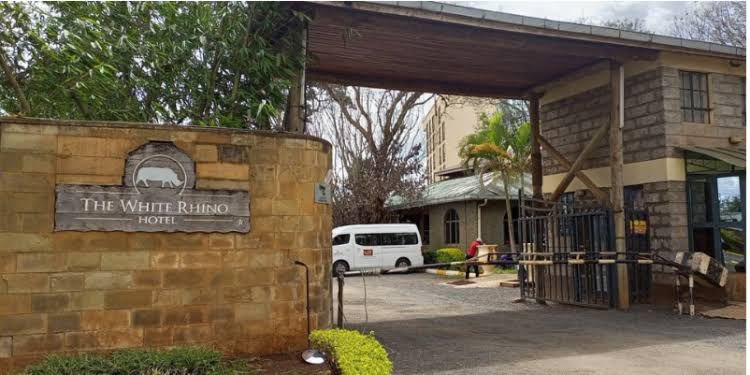
KCB Group has moved to take over operations of the financially troubled Cedarwood Hotels, a development that has drawn significant attention in both the banking and hospitality sectors. The takeover follows prolonged financial distress at Cedarwood, including mounting debts and operational challenges that left the hotel chain struggling to remain afloat. As one of Kenya’s largest financial institutions, KCB’s intervention signals a strategic shift aimed at stabilizing the business, protecting underlying assets, and ensuring continuity of service while a long-term solution is explored.
The decision comes at a time when the hospitality industry is experiencing a slow but steady recovery, with increased domestic travel and improving regional tourism. However, not all players have been able to regain their pre-pandemic strength. Cedarwood Hotels, once known for its popular recreational and conferencing destinations, faced sustained pressure from reduced occupancy, high operational costs, and a tightening financial environment. By stepping in, KCB aims to safeguard value for creditors while seeking operational efficiencies that could restore the chain’s financial health.
For the hotel’s employees, suppliers, and guests, the transition introduces cautious optimism. Many hope the bank’s oversight will bring better management practices and financial discipline, helping steady the business and preserve jobs that might otherwise have been at risk. For investors and industry observers, the takeover highlights a wider trend where banks are increasingly stepping in to protect assets tied to non-performing loans, especially in sectors deeply impacted by recent economic disruptions.
This development also underscores the challenges many hospitality businesses continue to face. Rising operational costs, evolving consumer preferences, and fluctuating tourism numbers have made the industry vulnerable. Access to financing, especially for distressed firms, has become limited, pushing banks to take a more active role in recovering value when loans turn problematic. The KCB–Cedarwood case is therefore viewed as a signal of the kind of pragmatic, asset-protection strategies lenders may continue to employ in a dynamic economic environment.


For individual savers and investors, moments like these reflect the importance of maintaining liquidity and financial resilience. When sectors face volatility, placing funds in a secure and accessible investment option can provide stability while navigating uncertain times.
If you’re looking to secure your savings while the market adjusts to these shifts, consider the Cytonn Money Market Fund (CMMF) a transparent, flexible option designed to help you grow and protect your money regardless of industry turbulence.
📞 Call +254 (0) 709 101 200 or 📧 email sales@cytonn.com to get started.