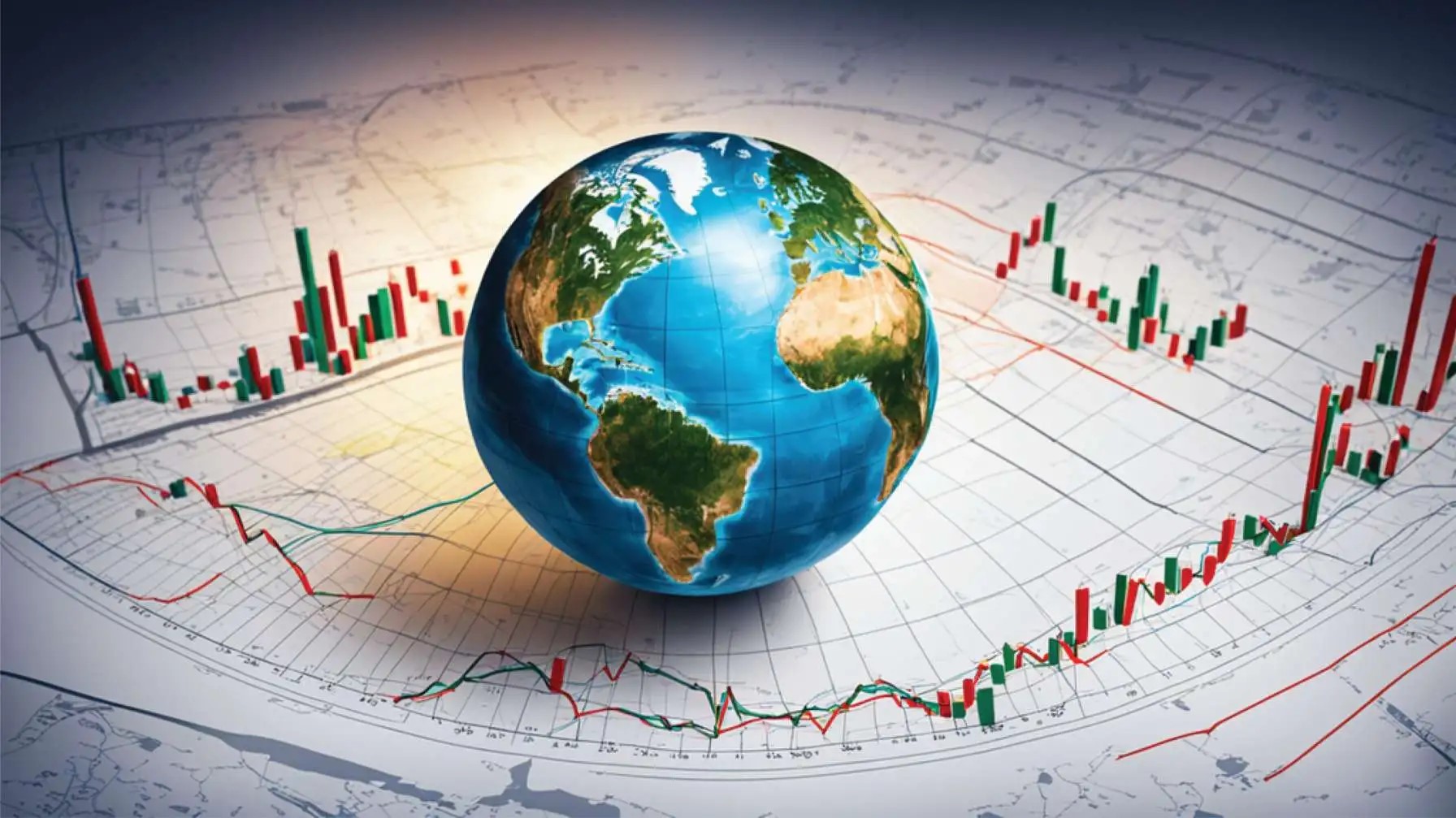
Financial markets are highly interconnected systems that respond not only to domestic conditions but also to developments across the world. From political shifts to economic crises, global events can significantly influence how markets perform, affecting asset prices, investor confidence, and capital flows. Understanding these relationships is essential for investors, businesses, and policymakers navigating an increasingly globalized financial environment.
One of the most direct influences on financial markets is geopolitical events. Elections, policy changes, trade agreements, and conflicts can alter investor sentiment almost instantly. For example, uncertainty surrounding international relations or trade restrictions may lead investors to adopt a cautious approach, often shifting their funds toward safer assets. On the other hand, stable political environments and cooperative international agreements can boost confidence and encourage investment in equities and emerging markets.
Economic events also play a critical role in shaping market behavior. Indicators such as inflation rates, interest rate decisions, and economic growth data from major economies often have ripple effects worldwide. When central banks in large economies adjust interest rates, global capital flows tend to respond. Higher interest rates in developed markets, for instance, may attract investors away from emerging markets as they seek more stable returns, influencing exchange rates and stock market performance in countries like Kenya.
Global crises can have particularly strong and immediate effects. Events such as financial downturns, pandemics, or supply chain disruptions often lead to market volatility. During such periods, investors may react by selling riskier assets and holding cash or other perceived safe investments. These reactions can result in sharp declines in stock markets, currency fluctuations, and changes in commodity prices. At the same time, recovery phases following crises may present new investment opportunities as markets stabilize.

Commodity prices are another channel through which global events impact financial markets. Changes in the prices of oil, agricultural products, and minerals are often driven by global supply and demand dynamics. For economies that rely heavily on imports or exports of specific commodities, these price movements can affect inflation, corporate profitability, and overall economic performance. This, in turn, influences stock markets and investment decisions.
Technological developments and global innovation trends also shape financial markets. Advances in technology can create new industries, disrupt existing business models, and influence investor expectations. Global events related to technological change, such as regulatory shifts or major innovations, can lead to rapid reallocation of capital toward emerging sectors.
In addition, investor psychology plays a crucial role in how markets respond to global events. News and information spread quickly, often influencing perceptions and decisions in real time. Market reactions are therefore not always based purely on data but also on expectations and sentiment, which can amplify price movements.
Overall, financial markets are deeply influenced by global events through multiple channels, including political developments, economic indicators, crises, and technological changes. For investors, staying informed about international trends and understanding their potential impact is key to making sound financial decisions in a dynamic and interconnected world.