Sharp Daily
No Result
View All Result
Thursday, January 1, 2026
  • Home
  • News
    • Politics
  • Business
    • Banking
  • Investments
  • Technology
  • Startups
  • Real Estate
  • Features
  • Appointments
  • About Us
    • Meet The Team
Sharp Daily
  • Home
  • News
    • Politics
  • Business
    • Banking
  • Investments
  • Technology
  • Startups
  • Real Estate
  • Features
  • Appointments
  • About Us
    • Meet The Team
No Result
View All Result
Sharp Daily
No Result
View All Result
Home Investments

How The Health Sector Affects Kenya’s Workforce

Fridah Karei by Fridah Karei
December 16, 2024
in Investments
Reading Time: 2 mins read

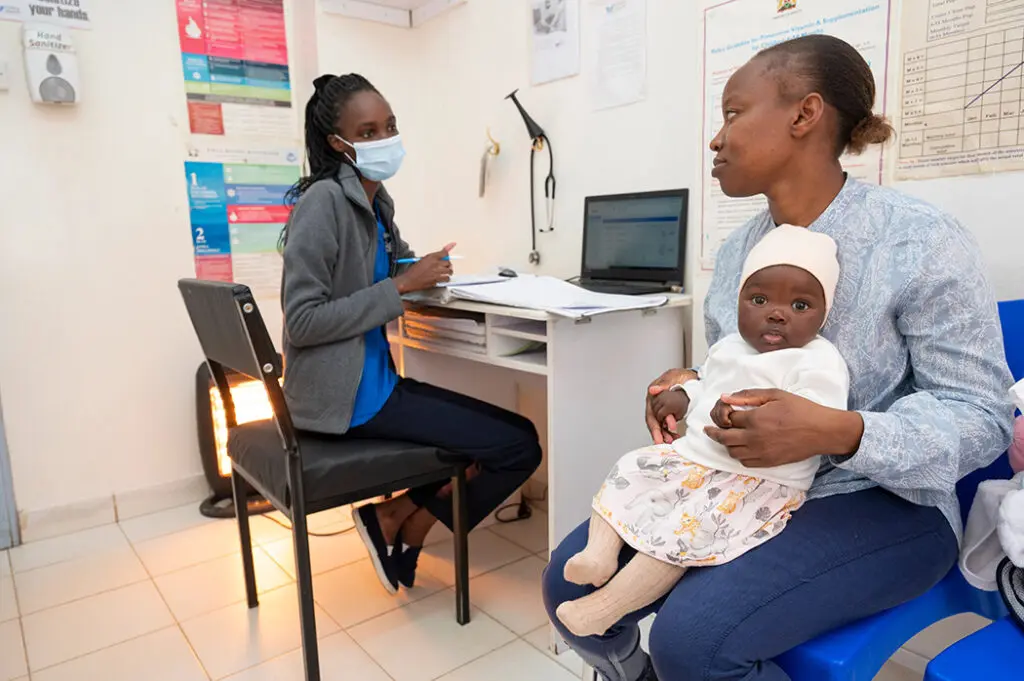
The health sector plays a pivotal role in shaping Kenya’s workforce by influencing productivity, economic outcomes, and overall human capital development. A strong healthcare system ensures a healthy and active labour force, minimizing absenteeism and enhancing economic performance across industries. However, significant challenges persist, including high disease burdens and inadequate healthcare access, particularly in rural areas.

Malaria, for instance, remains one of the leading causes of outpatient visits in Kenya, affecting 19.0% of consultations annually, as reported by the Ministry of Health. This disease primarily impacts adults in their productive years, leading to missed work hours and increased healthcare costs. Additionally, the growing prevalence of non-communicable diseases (NCDs) such as hypertension and diabetes places an increasing strain on the workforce. The World Health Organization (WHO) identifies NCDs as a leading factor in workforce inefficiency, with their rising treatment costs diverting financial resources that could otherwise support skill development and infrastructure improvements.

Despite progress, significant disparities exist in healthcare accessibility, particularly in rural areas. According to Kenya’s Health Sector Strategic Plan, the uneven distribution of healthcare professionals limits access to quality services for many workers. This inequity disproportionately affects rural populations, reducing their productivity and overall contribution to the economy.

From an economic perspective, poor health increases absenteeism and reduces labour supply, hindering Kenya’s economic growth. Preventable illnesses and workplace injuries create significant financial burdens for individuals and employers alike, contributing to higher national healthcare expenditures. For instance, health-related absenteeism and premature deaths have been noted as critical contributors to GDP losses.


RELATEDPOSTS

A scalable solution to Kenya’s rural health crisis

June 18, 2025

Grow your savings and secure your health with money market funds

February 24, 2025

In my opinion, addressing these challenges requires strategic investments in Kenya’s health sector. Expanding universal health coverage, prioritizing preventive healthcare, and improving the distribution of healthcare services across the country are essential steps. Healthier workers are more productive, innovative, and capable of driving sustainable economic growth. Moreover, the integration of workplace wellness programs and public health campaigns could further enhance workforce resilience and efficiency.


Previous Post

EACC cracks down on festive season gift violations

Next Post

Government sets rules for new year fireworks to ensure safety and order

Fridah Karei

Fridah Karei

Related Posts

Economy

Diageo, Vodafone exit and the quiet unravelling of Britain’s corporate hold on Kenya

December 30, 2025
Analysis

Investors to buy and sell NSE shares on M-Pesa from January 2026

December 29, 2025
Analysis

Why Some Investors Are Paying to Lose: The Rise of Tax-Driven Investing

December 23, 2025
Analysis

EABL corporate bond issuance

December 23, 2025
Analysis

Is Government a Facilitator or an Investor? Rethinking the State’s Role in Economic Development

December 19, 2025
Counties

TRIFIC announces green dollar denominated I-REIT targeting Sh4.8 billion raise

December 17, 2025

LATEST STORIES

Why Sustainable Businesses Think Long-Term

December 31, 2025

Why Financial Stability Matters More Than Rapid Growth

December 31, 2025

The Role of Financial Literacy in Long-Term Stability

December 31, 2025

Kenyan news updates 2025: A year of change and resilience

December 31, 2025

The Psychology Behind Financial Decision-Making

December 31, 2025

How Incentives Shape Economic Behavior

December 31, 2025

Inside Nairobi’s serviced apartments market: performance, demand & Investment outlook (2025)

December 31, 2025

Kenya named in FBI probe linking Minnesota aid fraud to Nairobi

December 31, 2025
  • About Us
  • Meet The Team
  • Careers
  • Privacy Policy
  • Terms and Conditions
Email us: editor@thesharpdaily.com

Sharp Daily © 2024

No Result
View All Result
  • Home
  • News
    • Politics
  • Business
    • Banking
  • Investments
  • Technology
  • Startups
  • Real Estate
  • Features
  • Appointments
  • About Us
    • Meet The Team

Sharp Daily © 2024