Sharp Daily
No Result
View All Result
Friday, January 16, 2026
  • Home
  • News
    • Politics
  • Business
    • Banking
  • Investments
  • Technology
  • Startups
  • Real Estate
  • Features
  • Appointments
  • About Us
    • Meet The Team
Sharp Daily
  • Home
  • News
    • Politics
  • Business
    • Banking
  • Investments
  • Technology
  • Startups
  • Real Estate
  • Features
  • Appointments
  • About Us
    • Meet The Team
No Result
View All Result
Sharp Daily
No Result
View All Result
Home News

Financial Institutions Lend Ksh58.3 Billion To Households In 9 Months

Cynthia Mungai by Cynthia Mungai
November 23, 2022
in News
Reading Time: 2 mins read
CBK reinstates transaction charges

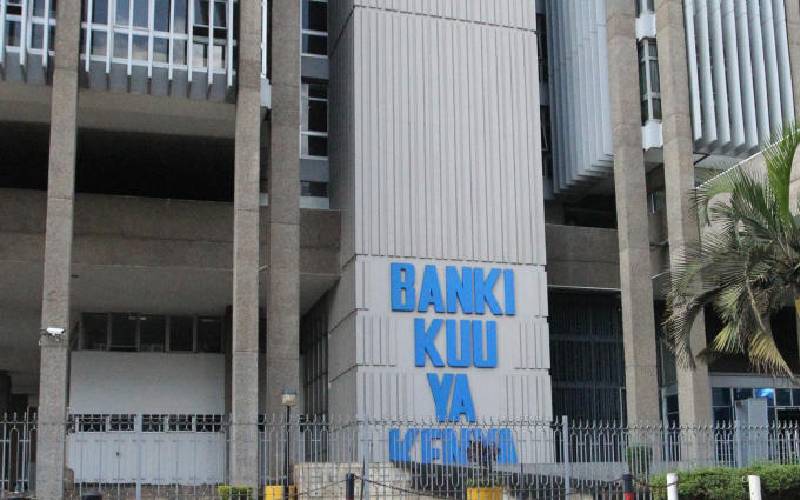
Central Bank of Kenya (CBK) headquarters. [Photo/ Courtesy]

Data from the Central Bank of Kenya (CBK) reveals that between January and September 2022, households borrowed Ksh58.3 billion from financial institutions, indicating rising demand for credit.

In the nine months leading up to September, households borrowed Ksh213.5 million per day from commercial banks, microfinance institutions, and Saccos as rising living expenses drove more individuals to seek loans to pay their daily expenses.

However, this is four times as much as the Ksh14.4 billion or Ksh52.7 million a day that lenders disbursed during the same period last year, underscoring the rising thirst for loans from private consumers.

Read:  CBK Frees 4.2 Million Kenyans From Negative CRB Listing

RELATEDPOSTS

Unit Trusts: Investment Vehicles or Just Sophisticated Savings?

January 16, 2026

Kenya Must Shift From Reactive Drought Aid to Proactive Prevention to End the Cycle of Crisis

January 16, 2026

A new survey reveals that people in at least 17 counties are having difficulty paying back their debts, with at least a quarter of debtors in these devolved units defaulting, including Marsabit, Garissa, and Samburu counties.

Financial analyst Simon Gathecah claims that loans are becoming a burden for many households. He issued a warning that debtors must exercise fiscal restraint to manage their debt .to avoid being caught in a cyclical debt trap.

“People are now finding themselves with heavy debt burdens which they fail to extricate themselves from. If you must borrow, then borrow an amount that you can manage,” said Mr Gachecah as quoted by a local daily.

Businesses in the economic sectors such as trade, manufacturing, real estate, building and construction, agriculture and transportation are also expanding their demand for loans.

Read: CBK Issues New Directives On CRB Listing

To contain inflation, the Monetary Policy Committee (MPC) in May increased the Central Bank Rate (CBR) from 7 percent to 7.50 percent, the benchmark rate’s first hike since July 2015.

For the second time in four months, the MPC increased the base lending rate, pushing up borrowing costs as inflation reached a five-year high.

Commercial bank loan costs increased, reaching 12.38 percent in August the highest level since November 2019 and surpassing previous highs.

In September, the average interest rate on loans from commercial banks increased, even more, reaching 12.41%.

Even with the high-interest rate, people are finding it more difficult to pay for necessities like food, rent, power, gasoline, and school fees, which is why many are turning to lenders for emergency loans.

Email your news TIPS to editor@thesharpdaily.com

Previous Post

South Africa’s Tiger Brands Appoints Polycarp Igathe As Chief Growth Officer

Next Post

South Korean Parliament Heeds President Ruto’s Plea On Jobs For Kenyans

Cynthia Mungai

Cynthia Mungai

Related Posts

News

Unit Trusts: Investment Vehicles or Just Sophisticated Savings?

January 16, 2026
News

Kenya Must Shift From Reactive Drought Aid to Proactive Prevention to End the Cycle of Crisis

January 16, 2026
News

Building Up, Not Out: The Economic Trade-Offs of High-Rise Housing

January 16, 2026
News

The Economics of East African Integration: Progress, Frictions, and the Road Ahead

January 16, 2026
News

Influencers, Social Media, and the New Economics of Business Growth

January 16, 2026
News

Investment Laws and Their Impact on Foreign Direct Investment in Kenya

January 16, 2026

LATEST STORIES

Unit Trusts: Investment Vehicles or Just Sophisticated Savings?

January 16, 2026

Kenya Must Shift From Reactive Drought Aid to Proactive Prevention to End the Cycle of Crisis

January 16, 2026

Building Up, Not Out: The Economic Trade-Offs of High-Rise Housing

January 16, 2026

The Economics of East African Integration: Progress, Frictions, and the Road Ahead

January 16, 2026

Influencers, Social Media, and the New Economics of Business Growth

January 16, 2026

Investment Laws and Their Impact on Foreign Direct Investment in Kenya

January 16, 2026

Mobile Money Meets the Stock Market

January 16, 2026

Kenya’s Current Account Deficit: Risks, Realities, and Economic Opportunities

January 16, 2026
  • About Us
  • Meet The Team
  • Careers
  • Privacy Policy
  • Terms and Conditions
Email us: editor@thesharpdaily.com

Sharp Daily © 2024

No Result
View All Result
  • Home
  • News
    • Politics
  • Business
    • Banking
  • Investments
  • Technology
  • Startups
  • Real Estate
  • Features
  • Appointments
  • About Us
    • Meet The Team

Sharp Daily © 2024