Financial inclusion has become a major force reshaping Kenya’s investment landscape by opening access to financial. As banking, savings, credit, and investment services have expanded mainly through technology and simplified entry processes, more Kenyans are participating in the financial system. This wider participation is strengthening both personal financial growth and the broader national investment outlook as more individuals engage with structured financial products. The rapid rise of digital financial services has facilitated this growth. Mobile-based accounts and digital wallets have made it possible for people to manage money, pay bills, and save without relying on traditional banking infrastructure. Once people gained the ability to store money securely on their phones, they began adopting additional financial tools connected to these platforms. This includes digital savings options, automated deposits, and interest-earning features that encourage consistent saving habits. As these tools continue to evolve, they make it easier for users to transition from basic transactions to more structured financial planning.
Micro-investment platforms have broadened financial participation by making it possible for individuals to commit small amounts toward formal investment products. By simplifying processes and lowering entry requirements, these platforms give users access to regulated options such as government securities and diversified pooled funds. This shift has opened doors for emerging investors who can now contribute gradually, learn at their own pace, and build a foundation in structured investing without facing the traditional barriers of high minimums or extensive paperwork. Financial systems in the country have strengthened this progress by offering saving and investment channels that accommodate different income levels. With the growing digital integration of SACCOs and the accessibility of money market funds, individuals can now save consistently and invest in low-entry, interest-earning products that support both short-term and long-term goals. These options promote disciplined financial habits while giving more people the opportunity to accumulate capital for business ventures, personal development, and other wealth-building initiatives.
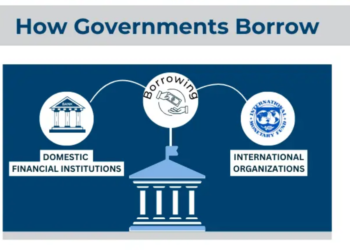
At the national level, the expansion of financial inclusion has contributed to stronger capital formation. As more people save and invest, even in small amounts, the country gains a more stable source of domestic financing. This strengthens local businesses, increases liquidity in financial markets, and eases reliance on external borrowing. A financially active population also contributes to long-term economic stability by promoting savings culture and supporting investment-driven growth.
Financial inclusion has ultimately made investing more accessible and practical for ordinary Kenyans. By lowering barriers, simplifying processes, and encouraging small but consistent contributions, the country has created an environment where individuals can actively shape their financial futures while contributing to national development.