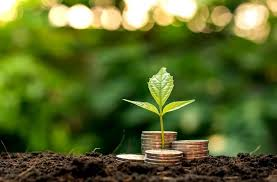
Green finance refers to financial investments that prioritize environmental sustainability and seek to reduce carbon footprint. These kinds of investments support projects in renewable energy, energy efficiency, sustainable agriculture and conservation efforts. By directing capital towards eco-friendly initiatives, green finance aims to foster a greener economy and mitigate the adverse effects of climate change. Kenya is rich in natural resources and biodiversity. However, despite progress in solar and wind energy adoption, the country has yet to fully tap into green finance to fund its ambitious climate goals.
Kenya has an opportunity to attract global capital by issuing green bonds and creating a regulatory framework that encourages private sector participation. For instance, targeted incentives for green projects, such as tax breaks or subsidies, could catalyse investment in renewable energy, sustainable agriculture, and eco-tourism. Kenya has made significant progress in renewable energy especially geothermal and wind power. As of December 2024, geothermal energy contributes 41.7% of the total energy production while wind contributes 13.1%.Green finance can bridge this gap by providing the essential funding for projects that drive environmental sustainability.
Investing in renewable sources, such as solar, wind and geothermal is key to reduce Kenya’s overreliance on fossil fuels and lower greenhouse gas emissions. Green bonds are a form of green finance which can raise capital for these projects, attracting investors. Agriculture is also a vital sector in Kenya’s economy but is also a significant source of greenhouse gas emissions. Green finances can support sustainable farming practices that improve productivity while preserving the environment. Funding projects which promote agroforestry, organic farming and efficient water management builds resilience to climate change and enhances food security.
Green finance can support projects that preserve forests, wetlands and wildlife habitats. Initiatives like payment for ecosystem services (PES) and community-based conservation efforts ensure the communities benefit economically from these resources. Financial institutions must also innovate to offer green loans and credit facilities tailored to small-scale farmers and entrepreneurs. Such initiatives could boost productivity while addressing climate challenges like droughts and deforestation.


The success of green finance depends on clear policies and political will. The government must prioritize sustainability in its development agenda, ensuring that green projects are viable and scalable. Collaboration with international partners can also enhance knowledge transfer and funding access. By embracing green finance, Kenya could reduce its carbon footprint, create jobs, and position itself as a leader in sustainable development. The transition may be challenging, but the long-term benefits far outweigh the costs.