For much of the post-independence period, British companies held significant positions across Kenya’s economy, with strong representation in manufacturing, banking, agriculture, and consumer goods. In recent years, however, their presence has steadily declined as ownership structures shift and new foreign players expand their footprint.
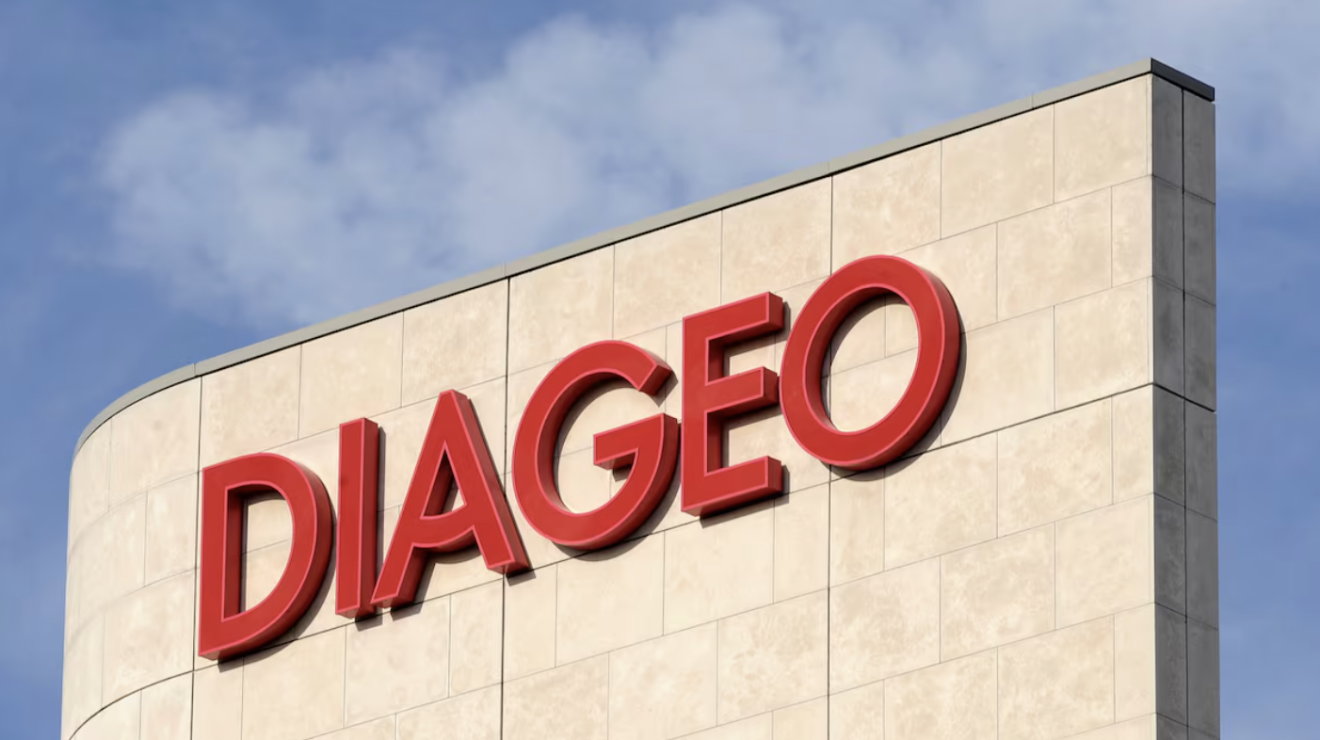
The proposed $3 billion sale by Diageo of its controlling stake in East African Breweries to Japan’s Asahi marks another reduction in British corporate presence in Kenya, adding to a growing list of UK firms that have exited or scaled back their operations in the country.
The Diageo deal joins a long list of British exits, restructurings, and retreats that have quietly redefined who holds influence in Nairobi today. Vodafone’s gradual withdrawal from Safaricom, Barclays’ transformation into Absa, the departure of De La Rue, the scaling down of GlaxoSmithKline, and the exits of firms like Tullow Oil, Aggreko, Lipton Tea, and James Finlay all point in the same direction. Where British capital once dominated, new players from China, Japan, India, South Africa, Turkey, and Nigeria have steadily filled the space.
As Professor X.N. Iraki notes, the shift was evident not only in trade figures but also in symbolism, illustrated by the replacement of the Land Rover traditionally used during national celebrations with a Toyota.


Trade data reflects the same shift. In the late 1990s, Britain was Kenya’s leading source of imports. That position has since been overtaken by China, which now accounts for the largest share of goods entering the country. The UK has dropped significantly in the rankings and today contributes a relatively small portion of Kenya’s imports. Kenya, meanwhile, now records a trade surplus with Britain, reversing a relationship that historically favored UK exporters. The change mirrors a broader realignment in global trade patterns, particularly among former British colonies that have diversified their economic partnerships.
Ownership trends at the Nairobi Securities Exchange offer further evidence of this transition. A decade ago, companies with majority British ownership accounted for a large share of dividends paid by listed firms, with billions of shillings repatriated annually. Firms such as Safaricom, East African Breweries, Barclays Bank Kenya, BAT Kenya, and several plantation companies dominated payouts. While British investors continue to earn sizeable dividends, the number of such firms has declined. Diageo’s proposed exit from EABL will further reduce British representation among Kenya’s largest dividend-paying companies.
At the same time, new sources of capital have expanded their presence. Japanese companies have increased investments in consumer-facing businesses, Chinese firms remain dominant in large infrastructure projects, South African groups hold significant positions in banking and telecommunications, and regional African investors are acquiring assets previously controlled by Western multinationals. Kenya’s economy has increasingly diversified its external partnerships rather than relying on a single dominant foreign bloc.
The shift reflects structural changes rather than a sudden withdrawal. For British firms, the exits align with evolving global strategies and changing risk assessments. For Kenya, they underscore a broader transition in investment patterns, marked by a more varied mix of partners and capital sources.