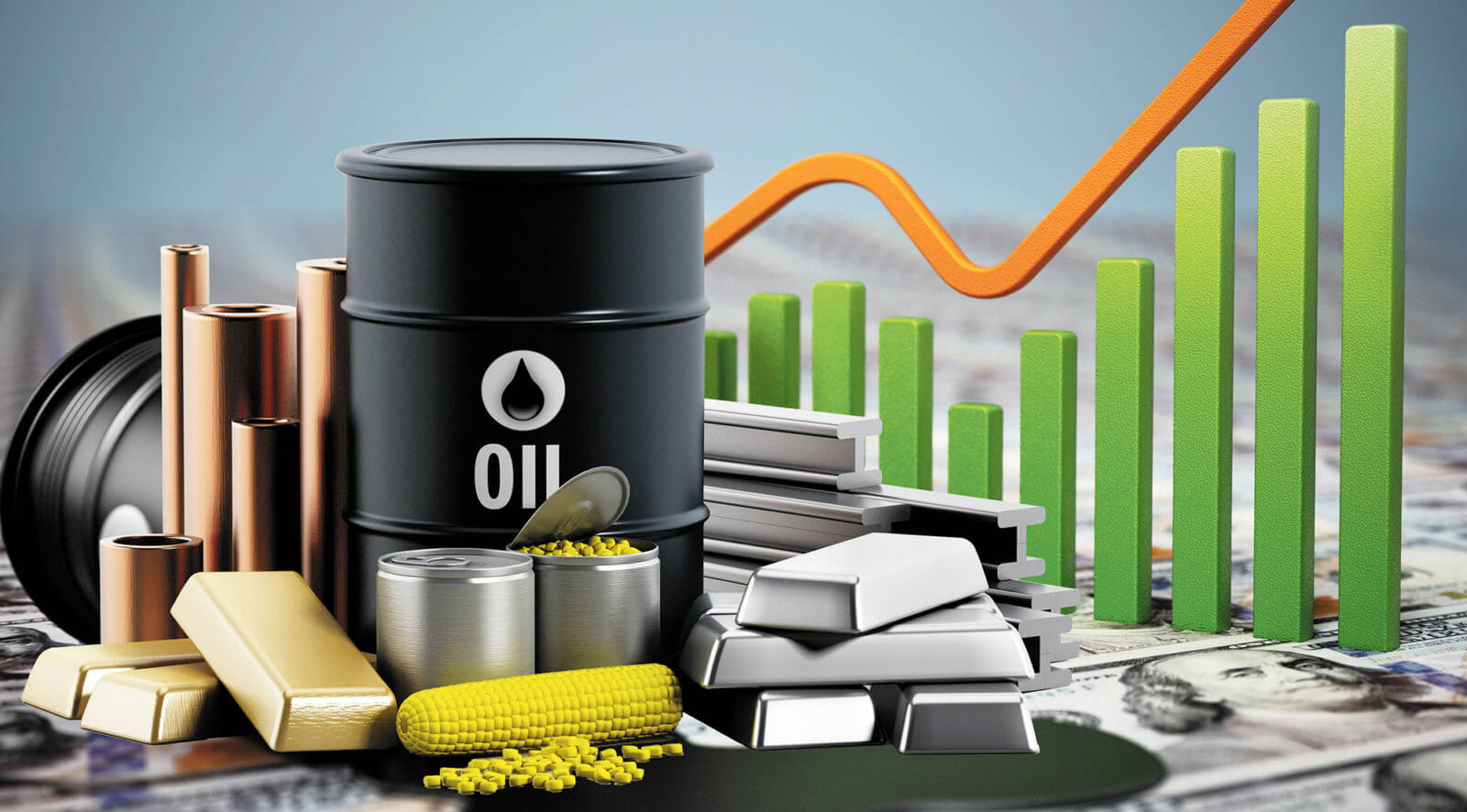
Global commodity markets have entered a notable upswing since late 2025, with the Bloomberg Commodity Index climbing to its highest level since early 2023. What stands out is the breadth of the rally: energy (excluding crude), industrial metals, and soft commodities have all strengthened simultaneously. Yet oil, historically the anchor commodity for global growth expectations, has been conspicuously left behind. This divergence has triggered debate on whether the market is signaling a broader economic upturn heading into 2026, and what this could mean for economies like Kenya that are tightly linked to global commodity cycles.
Copper and natural gas are at the center of this momentum. Copper, long referred to as “Doctor Copper” for its reputation as a barometer of global economic health, has pushed higher on expectations of a structural deficit in 2026. Analysts forecast a shortfall of about 200,000 tonnes next year, driven by surging demand from data-center wiring, green-energy infrastructure, and Europe’s accelerated rearmament, while supply remains concentrated in a few politically sensitive producers Chile, the DRC, and Indonesia. Similarly, US natural gas prices have surged, though not for the reasons often cited. Instead of demand from AI-related data centers, the real force behind higher prices is booming LNG exports, expected to double in the next five years, adding roughly 15.0 bn cubic feet per day of new demand. Seasonal winter risks have compounded the surge, but industrial demand remains relatively muted.
This nuanced picture challenges the argument that commodities are signaling a dramatic global growth rebound. The absence of oil from the rally reinforces that point. Oil markets remain supply-heavy, with OPEC+ having progressively eased production curbs. The bloc appears to be prioritizing high output and lower prices to keep US shale producers under pressure and maintain political favor with a White House that prefers cheap fuel to higher domestic drilling. With demand growing at barely 1.0% annually, supply rather than demand is dictating price behavior.
Still, the synchronised rise across industrial commodities does indicate something important: global demand is not collapsing. Default rates across corporate and high-yield credit in the US have been falling, unemployment claims remain low, and consumer confidence in key economies like Japan has improved. For Kenya, this matters. The country is highly exposed to global commodity dynamics, both through import costs (fuel, wheat, steel) and through exports (tea, horticulture, and minerals). A stable or improving global demand environment helps support export receipts, contain external-sector pressures, and reduce volatility in the current account.


However, Kenya also faces the downside of commodity cycles. The divergence between oil and other inputs may offer short-term relief on fuel inflation, but rising prices for copper and other industrial metals translate into higher costs for infrastructure development, energy projects, and manufacturing inputs, areas central to Kenya’s economic transformation agenda. Moreover, if the commodity rally is being driven by supply constraints rather than broad-based global growth, the benefits to Kenyan exporters may be more muted than the headline price gains suggest.
In short, while the current rally signals resilience rather than weakness in global demand, it should not be misread as a definitive sign of economic acceleration. For Kenya, the message is mixed: import inflation may ease on the oil front, but rising industrial input costs and persistent global supply-chain concentration remain risks. Policymakers and businesses alike should interpret the signals with caution, acknowledging the opportunities but preparing for a commodity cycle driven more by structural imbalances than by an outright global upswing.