Sharp Daily
  • News
  • Business
  • Technology
  • Real Estate
  • Opinion
  • About Us
No Result
View All Result
Sharp Daily
  • News
  • Business
  • Technology
  • Real Estate
  • Opinion
  • About Us
No Result
View All Result
Sharp Daily
No Result
View All Result
Home News

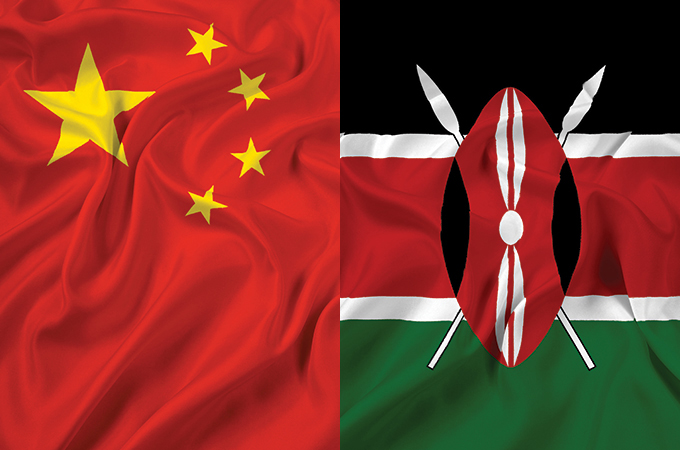
China Drops from Being Kenya’s Biggest Source of Imports

David Musau by David Musau
June 9, 2023
in News
Reading Time: 2 mins read

According to a March report by the Kenya National Bureau of Statistics, imports from the Middle East amounted to Kshs 32.3 billion in Q1 2023, surpassing the existing import bill of goods from China of Kshs 30.34 billion. Saudi Arabia topped the list as Kenya’s largest import market in terms of the value of goods due to the increase in global oil prices. This comes after President Ruto signed a deal with the Saudi Arabian government to source diesel and jet fuel from the country, dropping the United Arab Emirates market for these products.

China has dominated the import sector in Kenya for over ten years, with the main exports to Kenya being iron and steel, plastics, machinery, vehicles, and electrical appliances. According to the Kenya Trade Network Agency report released at the end of Q4’2022, China’s exports to Kenya dropped by 10% from the previous year, with total imports from China amounting to Kshs 110.7 billion in 2022 from Kshs 122.4 billion recorded in 2021.

Read more: Kenyan Avocados Sold At The Largest Fruit Market In East China

Imports from Saudi Arabia include mineral fuels, fertilizers, organic chemicals, and plastics. The value of these products has caused the import bill for Saudi Arabia’s imports into Kenya to shoot beyond markets like China and India.


RELATEDPOSTS

Stablecoins Move Beyond Trading as Digital Payments Enter a New Era

October 5, 2026

Kenyan businesses to start paying for WhatsApp service messages from October 1

September 28, 2026

However, regarding the quantity of goods imported into the country, China tops the list, followed by India. Oil prices in Kenya are projected to keep rising with the proposed increase in the fuel levy to 16% from the existing 8% when the finance bill is passed in the next financial year. This will further increase the value of imports from Saudi Arabia and the Middle East since they mainly comprise petroleum products.

Email your news TIPS to editor@thesharpdaily.com
Previous Post

World Bank Recommends Replacing Diesel Trains on The SGR With Electrified Trains

Next Post

The Rise of Hawala As Kenyans Abroad Avoid Bank Transfers

David Musau

David Musau

Related Posts

News

Foreign Direct Investment

October 5, 2026
News

Kenya’s VASP Regulations: Prudential Safeguards Meet a Licensing Sequencing Problem

October 2, 2026
News

Pension planning for high earners

October 2, 2026
News

Dangote’s Lamu Refinery: Positioning Kenya as a Regional Industrial Hub

October 2, 2026
News

What Drives Lending Rates

October 2, 2026
News

Ethiopia’s Emerging Equity Market Tests the Investment Value of Liquidity

October 2, 2026

LATEST STORIES

Kenya’s Central Bank Rate on the line as core inflation rises

October 5, 2026

Stablecoins Move Beyond Trading as Digital Payments Enter a New Era

October 5, 2026

Open Finance Kenya Could Reshape Digital Payments

October 5, 2026

The Business Case for Outsourcing Your Pension Scheme

October 5, 2026

Foreign Direct Investment

October 5, 2026

Kenya’s VASP Regulations: Prudential Safeguards Meet a Licensing Sequencing Problem

October 2, 2026

Pension planning for high earners

October 2, 2026

Why investors need better information on troubled companies

October 2, 2026
  • About Us
  • Meet The Team
  • Careers
  • Privacy Policy
  • Terms and Conditions
Email us: editor@thesharpdaily.com

Sharp Daily © 2024

No Result
View All Result
  • News
  • Business
  • Technology
  • Real Estate
  • Opinion
  • About Us

Sharp Daily © 2024