Sharp Daily
No Result
View All Result
Saturday, August 15, 2026
  • Home
  • News
    • Politics
  • Business
    • Banking
  • Investments
  • Technology
  • Startups
  • Real Estate
  • Features
  • Appointments
  • About Us
    • Meet The Team
Sharp Daily
  • Home
  • News
    • Politics
  • Business
    • Banking
  • Investments
  • Technology
  • Startups
  • Real Estate
  • Features
  • Appointments
  • About Us
    • Meet The Team
No Result
View All Result
Sharp Daily
No Result
View All Result
Home News

Domestic Lifeline Users to Enjoy Cheaper Electricity

Dennis Otsieno by Dennis Otsieno
March 27, 2023
in News
Reading Time: 1 min read
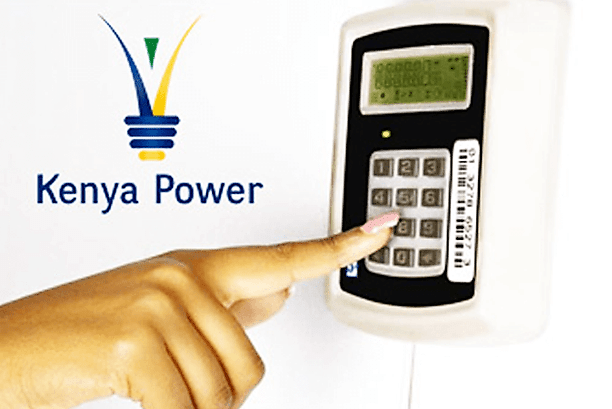
Kenya Power

[Photo/ Courtesy]

Following a review of consumer tariffs by The Energy and Petroleum Regulatory Authority on Friday, electricity bills for nearly 6.3 million customers consuming less than 30 units a month will reduce by 4 percent.

From April 1, the cost per unit of power will fall to Kshs 21.16 from Kshs 21.99, meaning that Domestic Lifeline users will buy 23.6 units of electricity at Kshs 500 from the current 22.7 units for the same amount.

Read: EPRA Releases April Fuel Prices-What You Need To Know

However, it will be more pain for domestic customers consuming between 30 and 100 units who will have the cost of electricity increased by 19 percent to Kshs 26.10 from the current Kshs21.99 per unit.


RELATEDPOSTS

CBK holds benchmark rate at 8.75% for third consecutive time

August 12, 2026

Kenya’s inflation eases to 6.4% in June as fuel and power prices fall

July 1, 2026

Domestic customers consuming above 100 units will also have their cost increased by 14 percent per unit to Kshs 31.75 per unit going up from Kshs 27.92.

But big businesses and industries got a reduction of Kshs 1.15 per unit in the new tariffs, with EPRA saying that the drop, albeit marginal, will protect Kenya from further losing its competitiveness in terms of power costs.

Read:EPRA Shuns Kenya Power’s Proposal For Payment Of Electricity Bills In USD/Euro

The Kenya Power also introduced a special tariff to promote both clean cooking and electric mobility to grow electricity demand and promote the global agenda on climate change and sustainability.

The cost of electricity is a key factor in determining the country’s inflation rate because manufacturers use electricity for production. They pass additional power costs to consumers through high prices for their goods.


Previous Post

Tough time for businesses as protests enter the second week

Next Post

President Ruto in Europe for Trade Talks

Dennis Otsieno

Dennis Otsieno

Related Posts

News

How Influencers Are Reshaping the Economics of Business Growth

August 14, 2026
News

CBK Holds Rates

August 14, 2026
News

Kenya Stablecoin Regulations Shape Digital Finance

August 14, 2026
News

Circle Arc Blockchain Validators Reshape Institutional Finance

August 14, 2026
News

Stablecoin Treasury Infrastructure Reshapes African Corporate Finance

August 14, 2026
News

South Africa’s Crypto Capital Controls Tighten

August 14, 2026

LATEST STORIES

Can Kenya’s Tobacco Laws Keep Up With New Nicotine Products?

August 14, 2026

How Influencers Are Reshaping the Economics of Business Growth

August 14, 2026
Kalasha Awards

Kenya’s entertainment industry: Can local film finally become big business?

August 14, 2026

CBK Holds Rates

August 14, 2026

Kenya’s IMF Return: What a new program means for the economy

August 14, 2026

Kenya Stablecoin Regulations Shape Digital Finance

August 14, 2026

Circle Arc Blockchain Validators Reshape Institutional Finance

August 14, 2026

Stablecoin Treasury Infrastructure Reshapes African Corporate Finance

August 14, 2026
  • About Us
  • Meet The Team
  • Careers
  • Privacy Policy
  • Terms and Conditions
Email us: editor@thesharpdaily.com

Sharp Daily © 2024

No Result
View All Result
  • Home
  • News
    • Politics
  • Business
    • Banking
  • Investments
  • Technology
  • Startups
  • Real Estate
  • Features
  • Appointments
  • About Us
    • Meet The Team

Sharp Daily © 2024