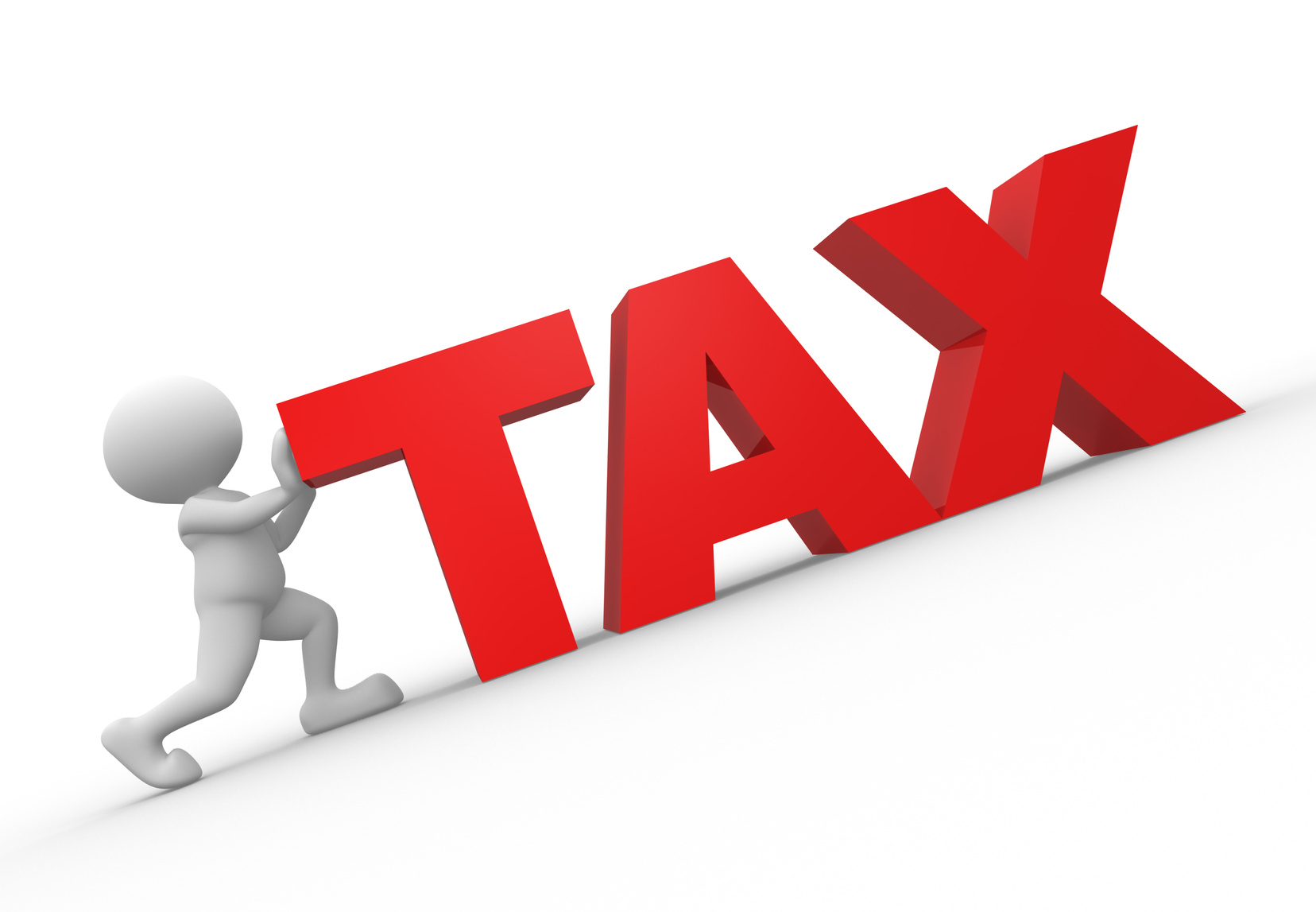
“I contend that for a nation to try to tax itself into prosperity is like a man standing in a bucket and trying to lift himself up by the handle.” – Winston Churchill
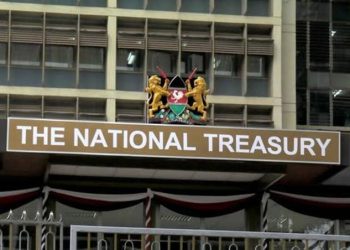
There has been a recent buzz on the possibility of withholding tax being charged on Kenyans’ M-Pesa balances, highlighting the double-edged sword that is Kenya’s current tax situation.
On one hand, the Kenya Kwanza government is seeking radical means of increasing government revenue in a bid to fund its projects, among which includes expanding their tax base in the informal sector, which has a potential tax base of KES 2.8 Billion. On the other hand, these same undertaxed Kenyans pay large tariffs on electricity, which are expected to increase soon, fuel and other goods in the form of Value Added Tax of up to 16%.
Despite the fact that informal sector producers do not pay corporate taxes, they are also consumers who pay Value Added Tax on the food they eat and the electricity they use, both at work and at home.


Therefore, it is a possibility that the increased taxation of these business owners will lead to a deadweight loss.Public programs and projects are funded by government expenditure, which is affordable thanks to government revenue.
Read: Digital Service Tax To Hit 300 Million In 2023
Increasing taxation, a form of government revenue, can lead to an increase in funds available for expenditure and a consequent increase in the quality and quantity of public goods and services.
However, in reality, increasing taxation may lead to a decline in government revenue. Higher taxes such as excise duty and Value Added Tax lead to increase in the production costs for majority of the sectors.
In order to maintain a profit, manufacturers and providers of services will most likely push the increased cost onto consumers, leading to an increase in prices; a phenomenon known as cost-push inflation.
As a result, the demand for these goods reduces and manufacturers reduce the production volume as their revenues decline with the demand for their products.
Read:Businesswoman Mary Wambui’s Ksh 2.2Billion Tax Evasion Case Dropped
This drop in quantity of production and consumption of goods is called the deadweight loss of taxation and may to a decline in government revenue as quantity of goods consumed on which VAT can be levied and revenue gained on which corporate tax can be charged are reduced.
While in their draft budget, the Kenya Kwanza government indicated that among their interventions will be ending criminalization of enterprises such as hawking and providing a trading location entity to every citizen/MSME who applies, the assumption that the informal sector is undertaxed will be tested by the enactment of these new tax measures.
If indeed this increased taxation adds to the burden of MSME’s in the informal sector, then regardless of the frameworks and policies undertaken by the government, these businesses may be harmed, rather than helped.
Email your news TIPS to editor@thesharpdaily.com