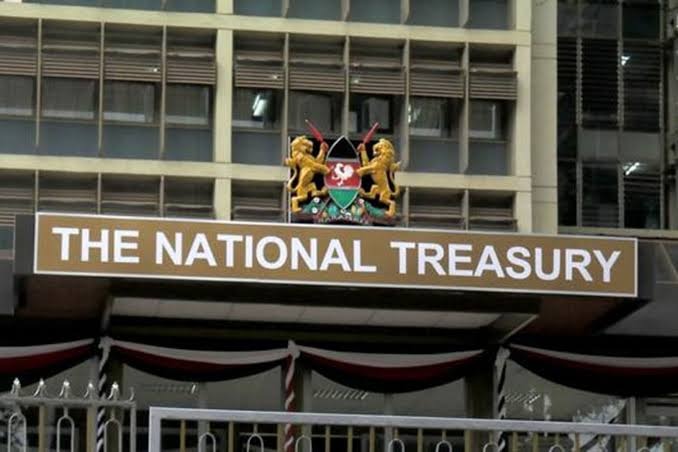
Kenya’s public debt dynamics in FY2025/26 point to a growing fiscal constraint, with debt servicing increasingly competing with development expenditure for government resources. According to the National Treasury’s Annual Public Debt Management Report 2025/2026, total public debt service rose by to Kshs 1.9 tn from Kshs 1.7 tn in FY2024/25, while total interest payments increased to Kshs 1.1 tn. Interest payments alone absorbed 41.4% of ordinary revenue, up from 40.8% in the previous financial year, highlighting the limited fiscal space available to accommodate additional spending without further borrowing or stronger revenue mobilisation.
The implications extend directly into domestic capital markets. Domestic debt increased by 15.8% to Kshs 7.3 tn as at June 2026, with Treasury bonds accounting for Kshs 6.0 tn. Although the government’s preference for longer-dated securities is intended to reduce refinancing risks, the scale of domestic issuance reinforces the sovereign’s position as a dominant borrower in the local financial system. For investors, this creates opportunities to lock in fixed-income returns, but also leaves market liquidity, lending conditions and portfolio allocation decisions closely tied to the government’s financing requirements. Notably, the report records a downward shift in the government securities yield curve in June 2026 relative to June 2025, reflecting the easing domestic interest-rate environment.
External financing presents a different set of risks. External debt service increased to Kshs 716.1 bn during the year, partly reflecting principal repayments on maturing Eurobonds. Meanwhile, external debt service as a proportion of export earnings rose to 41.4% from 35.1%, underscoring the sensitivity of the government’s repayment capacity to export performance and foreign-exchange movements. The successful issuance of USD 1.5 bn and USD 2.2 bn Eurobonds in October 2025 and February 2026, respectively, demonstrates continued access to international capital markets, although market access alone does not eliminate refinancing and currency risks.
Looking ahead, the sustainability of Kenya’s debt trajectory will depend on whether revenue growth and fiscal consolidation outpace the accumulation of new obligations. The Treasury projects total debt service to peak at KSh2.63 trillion in FY2029/30, with debt service absorbing 79.8% of ordinary revenue in FY2026/27 before declining over the medium term. For investors, the critical variables remain the execution of fiscal reforms, the composition of government borrowing and the resulting direction of domestic interest rates. (Start your investment journey today with the cytonn MMF, call+2540709101200 or email sales@cytonn.com)