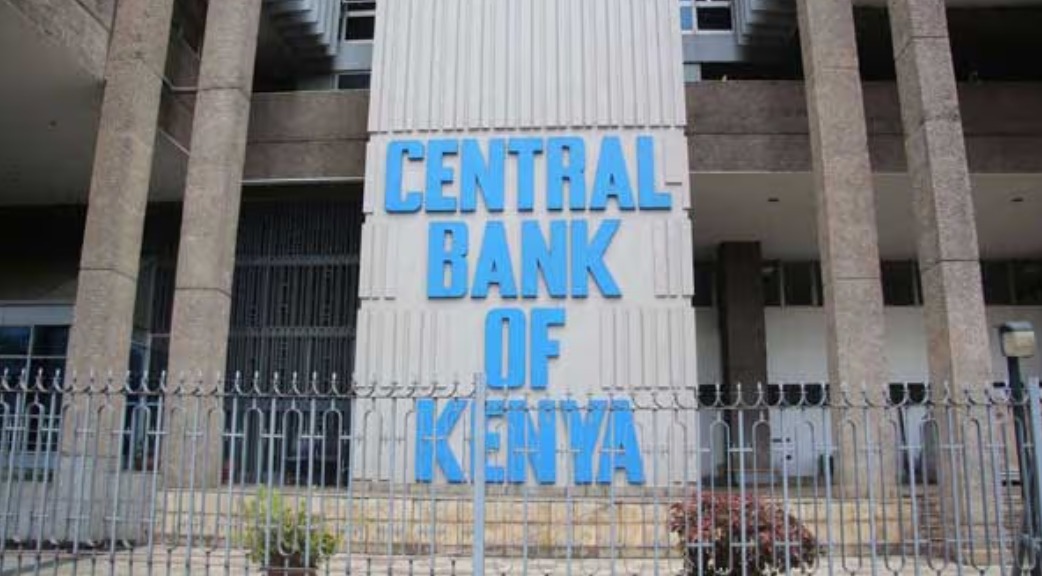
Kenya’s monetary policy remains a key focus for businesses, investors and consumers as the Central Bank of Kenya (CBK) maintains its benchmark Central Bank Rate (CBR) at 8.75 percent, signalling a cautious approach as policymakers balance economic growth, inflationary pressures and global uncertainties.The Monetary Policy Committee (MPC) retained the CBR at 8.75 percent during its meeting on August 11, 2026, following its decision to maintain the same rate in June and April. The rate was last reduced in February 2026, when the MPC cut it from 9.0 percent to 8.75 percent.
The current rate reflects the CBK’s effort to support economic activity while keeping inflation expectations anchored. Lower interest rates generally make borrowing more affordable, potentially encouraging households and businesses to take up credit for consumption, investment and expansion. The CBK notes that lower interest rates can increase demand for credit and support economic activity and growth.There are already signs that the easing cycle is filtering through the financial sector. CBK data shows that average commercial bank lending rates stood at 14.39 percent in July 2026, while private-sector credit growth has continued to improve. The improvement in credit conditions is important for businesses seeking financing and households managing borrowing costs.
However, policymakers continue to face inflationary and external risks. According to the August MPC assessment, global energy prices have remained elevated amid disruptions to oil supply and uncertainty arising from the conflict in the Middle East. Higher energy costs can feed into transport, production and household expenses, creating additional inflationary pressure.Kenya’s inflation rate stood at 6.6 percent in August 2026, according to the latest CBK data. The MPC expects inflation to remain within the target range in the near term, supported by monetary policy measures, government interventions and a relatively stable exchange rate.
The shilling’s stability also remains important for monetary policy. A stable exchange rate helps reduce the impact of imported inflation, particularly for fuel and other imported goods. At the same time, the CBK continues to monitor global oil prices and potential second-round effects on domestic inflation.For investors, the interest-rate environment has implications across different asset classes. Lower policy rates can influence returns on fixed-income instruments, bank deposits and money-market investments, while potentially supporting equities as investors reassess the relative attractiveness of different assets.


The CBK’s decision to hold the CBR at 8.75 percent therefore represents a balancing act between supporting economic growth and maintaining price and financial stability. With inflation, energy prices, credit growth and global economic developments continuing to shape the outlook, the direction of monetary policy will remain closely watched.The MPC is scheduled to meet again in October 2026, when policymakers will reassess economic conditions and determine whether the current monetary policy stance remains appropriate.