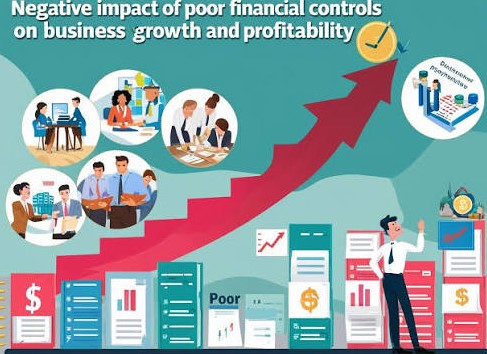
Financial performance is commonly evaluated through revenue, costs, profitability and growth. However, these indicators may not fully capture an organization’s financial health. The effectiveness of financial controls, governance and reporting is also important because weaknesses in these areas can allow financial problems to persist and expose investors, creditors and other stakeholders to losses.
Strong financial controls help ensure that transactions are authorized, assets are safeguarded and financial information is complete and reliable. Where these controls are inadequate, irregular transactions, unsupported expenditure and cost overruns may remain undetected, making it difficult for stakeholders to assess the organization’s true financial position.
The Local Authorities Provident Fund (Lapfund) illustrates this risk. An Auditor-General report flagged irregular contract changes and unverified payments involving Kshs 2.0 bn across two real estate projects. The projects also experienced cost overruns and delays that remained unresolved for several years before audit scrutiny. Beyond the immediate financial exposure, prolonged delays can tie up capital and increase the risk of asset impairment, while subsequent parliamentary scrutiny may affect the pace of decision-making and fund disbursements.
The financial difficulties at the Kenya Union of Savings and Co-operative Organizations (KUSCCO) provide another illustration. Shareholders voted to liquidate the organization following years of financial challenges. KUSCCO was reported to have Kshs 5.4 bn in assets against liabilities of Kshs 17.0 bn, representing a substantial shortfall between its assets and obligations.


The reliability of financial information can further influence risk assessment. An audit identified Kshs 13.0 bn in recorded expenses without supporting documentation, limiting stakeholders’ ability to determine how funds were utilized and what portion could potentially be recovered. Weak documentation therefore compounds financial risk by reducing transparency and making effective oversight more difficult.
The implications of weak controls can extend beyond an organization’s reported financial results. Creditors may face difficulties recovering funds, stakeholders may lose confidence and investors may experience losses as financial problems become more difficult to reverse. Financial controls should therefore form part of investment risk assessment alongside profitability and growth.
Investors can assess this risk by examining financial reporting quality, debt levels, cash flows, asset quality, related-party transactions, audit findings and governance structures. These indicators can reveal vulnerabilities that may not be apparent from headline financial performance alone.