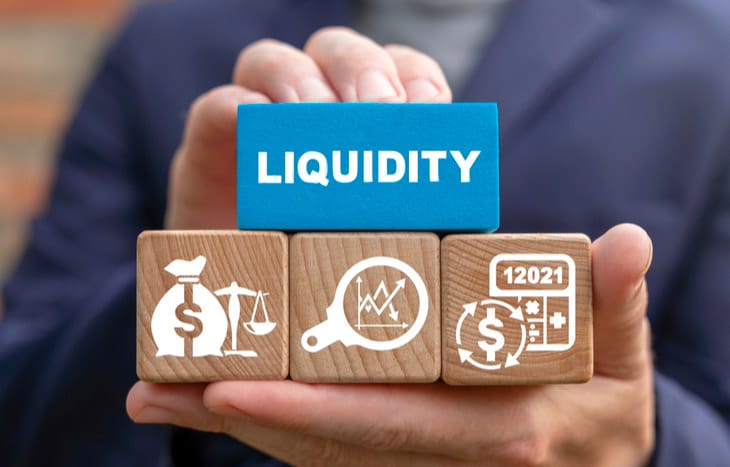
When discussing investments, much of the attention is often directed toward returns, interest rates, and market performance. However, one factor that receives far less attention despite its importance is liquidity. Whether in equities, bonds, or other financial instruments, liquidity plays a critical role in determining how efficiently markets function and how easily investors can access their funds. Liquidity refers to the ease with which an asset can be bought or sold without significantly affecting its price. A highly liquid asset can be converted into cash quickly and at a price close to its market value. An illiquid asset may take longer to sell and may require a price discount to attract buyers.
Liquidity is important because it enhances market efficiency. When there are many buyers and sellers actively participating in a market, transactions can occur more smoothly, prices reflect available information more accurately, and investors have greater flexibility in managing their portfolios. The concept is particularly relevant in fixed income markets. Government securities, for instance, are generally considered among the most liquid investment instruments due to their active participation by institutional and retail investors. A liquid bond market allows investors to enter and exit positions with relative ease while helping establish reliable pricing benchmarks for other financial assets.
Liquidity also influences investor confidence. Investors are generally more willing to commit funds when they know they can access their capital if circumstances change. During periods of uncertainty, however, liquidity can become constrained as market participants become more cautious, resulting in wider price movements and reduced trading activity. The importance of liquidity extends beyond financial markets. Maintaining a portion of one’s portfolio in liquid assets can provide flexibility to meet unexpected expenses or take advantage of investment opportunities without disrupting long term financial plans.
While returns often dominate investment discussions, liquidity remains one of the fundamental characteristics that support healthy and efficient markets. Understanding its role enables investors to better evaluate opportunities, manage risk, and make informed decisions. In many cases, the ability to access funds when needed can be just as important as the returns an investment is expected to generate.