

Kenya has entered a pivotal moment in its digital governance, with three high-profile arrests within a single week signaling a dramatic intensification of police action against hate speech on social media platforms. The rapid succession of charges—ranging from calls for ethnic violence to incitement toward governmental overthrow—has thrust the country into a familiar but uneasy debate: How can democracies effectively combat genuinely dangerous online speech without sliding toward authoritarian suppression?
The recent cases paint a stark picture of hate speech’s digital evolution in Kenya. From a youthful politician’s viral video advocating attacks on non-native communities to inflammatory Facebook posts calling for violence against the government, the arrests reveal how online platforms have become incubators for rhetoric that once might have remained confined to closed circles. Yet this escalation also raises critical questions about timing, selective enforcement, and the potential weaponization of hate speech laws.
Historical Context: Learning From 2007/2008
To understand why Kenya’s authorities are moving aggressively now, one must revisit the catastrophic 2007/2008 post-election violence—a watershed moment that left over 1,100 dead and displaced approximately 650,000 people. The violence erupted when opposition leaders disputed the presidential election results, and subsequent investigations identified hate speech, ethnic incitement, and media propaganda as accelerants to the bloodshed.
That trauma catalyzed Kenya’s institutional response: the establishment of the National Cohesion and Integration Commission (NCIC), tasked with combating divisive rhetoric and ethnic tensions. For more than a decade, the NCIC has been the primary watchdog against hate speech, recommending prosecutions and monitoring public discourse. Yet the reforms have consistently fallen short of their goals, with documented surges in hateful rhetoric preceding every general election cycle.
The Timing Paradox: When Regulation Meets Political Transition
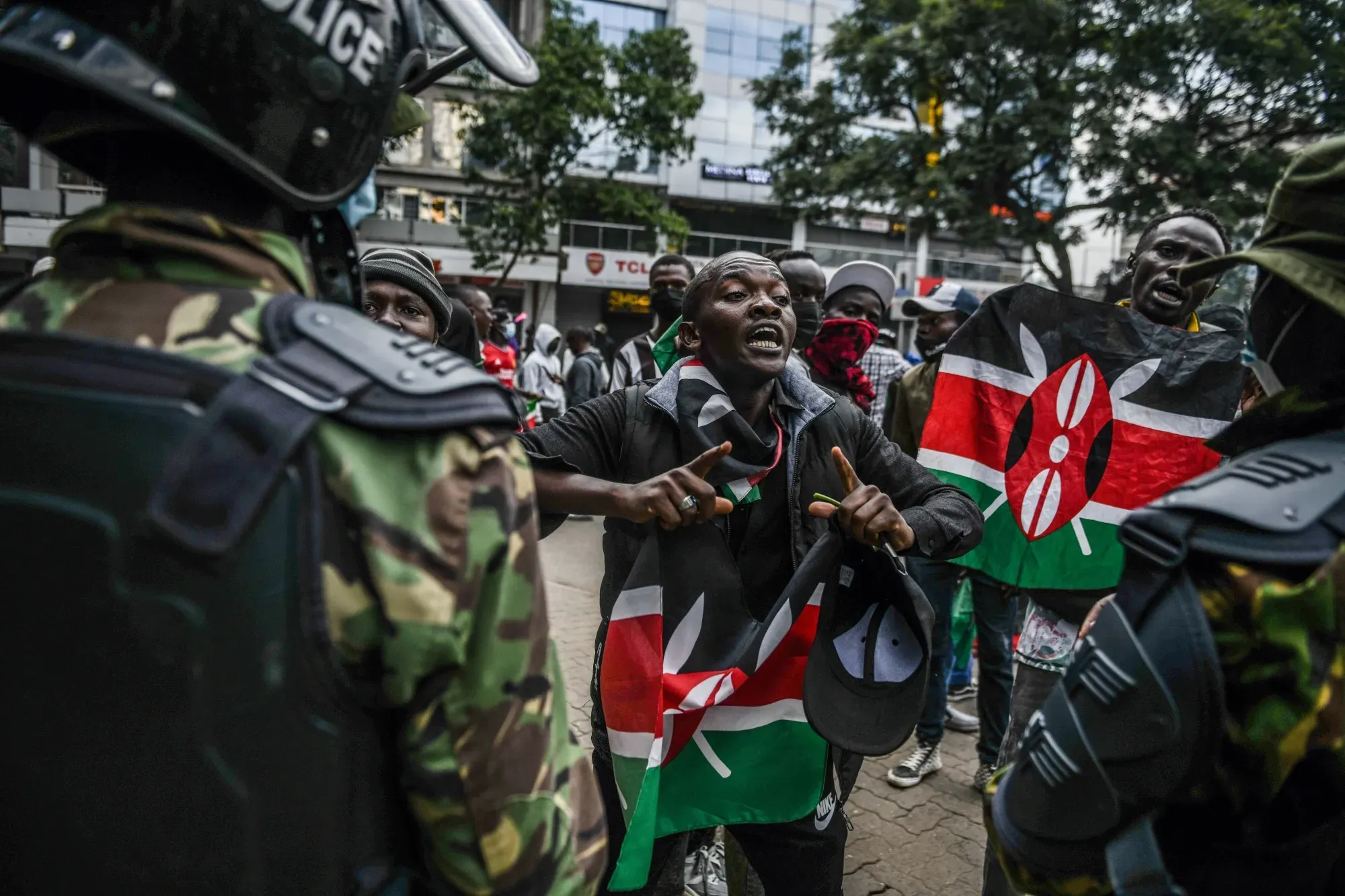
What makes the current crackdown particularly noteworthy—and potentially concerning—is its proximity to a politically sensitive moment. The National Cohesion and Integration Commission recently flagged rising political intolerance and toxic rhetoric on digital platforms ahead of next year’s elections. But this enforcement spike is occurring just weeks before the June 25 anniversary of the 2024 Gen Z-led anti-tax protests, which left at least 65 people dead and have become a watershed moment in Kenya’s contemporary political consciousness.
Opposition leaders have announced plans for what they’re calling “the mother of all demonstrations” to commemorate those killings. This convergence—intensified hate speech enforcement, approaching electoral cycle tensions, and planned mass mobilization—creates a precarious dynamic where legitimate regulation of genuinely dangerous speech could blur seamlessly into political suppression of dissent.
The Digital Platform Governance Challenge
Enforcement against hate speech on social platforms presents genuine complexities. Unlike traditional media, social platforms operate at unprecedented scale and speed, with content spreading faster than institutional oversight can track. The question is not whether Kenya should police platforms for incitement to violence—it should—but rather whether the mechanisms currently in place distinguish adequately between hate speech that poses immediate threats and political speech that merely provokes discomfort.
The NCIC frames its renewed efforts as constitutional duty aligned with Kenya’s legal framework. Few would dispute the necessity of preventing ethnic incitement or calls for violent overthrow of government. Yet there exists a gray zone where political criticism, controversial opinion, and genuine incitement overlap—a zone where selective enforcement becomes a tool for controlling narrative rather than preventing harm.
A Critical Moment for Democratic Governance
Kenya stands at an inflection point. The country possesses legitimate reasons to strengthen digital content moderation, rooted in genuine historical trauma and credible contemporary threats. Simultaneously, it risks establishing precedents where emergency measures against hate speech become permanent tools for suppressing inconvenient political voices.
The resolution of this tension will depend on several factors: transparent criteria for what constitutes prosecutable hate speech versus political speech, independent judicial review of enforcement decisions, and accountability mechanisms ensuring the state doesn’t exploit these tools for partisan advantage. Without these safeguards, the current crackdown—however well-intentioned—may ultimately undermine the very democratic institutions it aims to protect.
This commentary is based on reporting by Otieno Otieno in The East African